

Step-by step guide to the flat fingers exercise
Maximize effectiveness: Tips for patients and practitioners
Step-by step guide to the flat fingers exercise
Maximize effectiveness: Tips for patients and practitioners

1. Step-by-step video on how to do the flat fingers

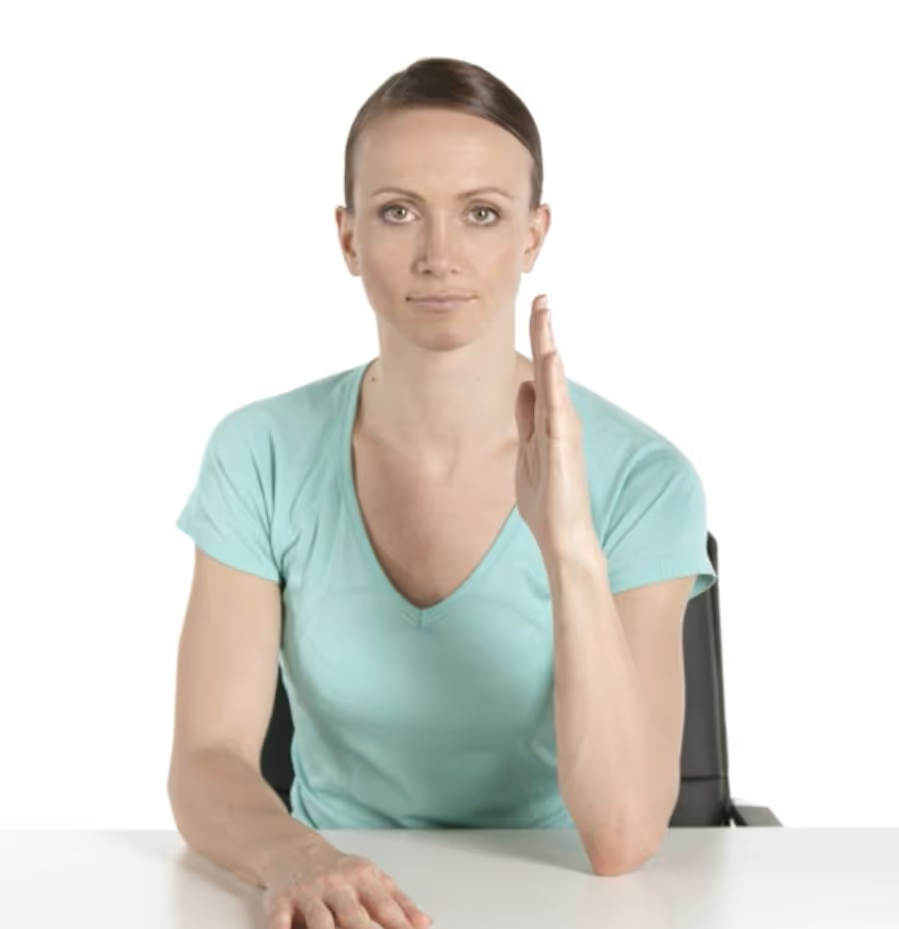
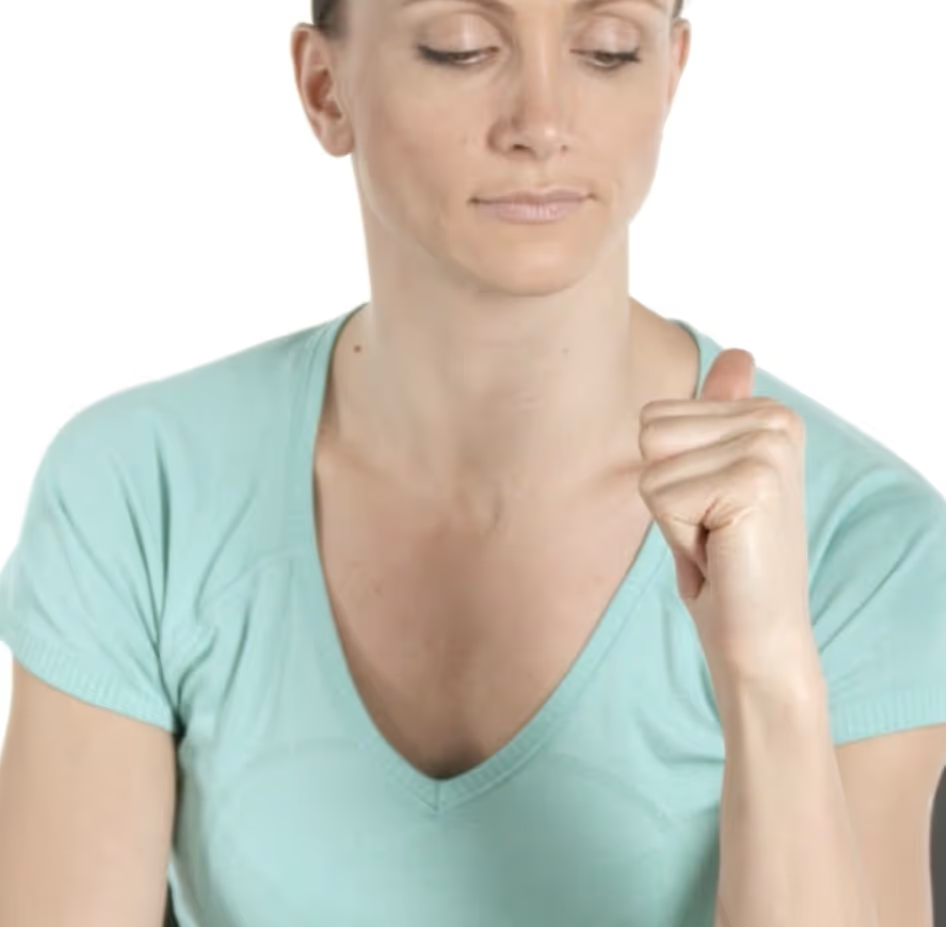
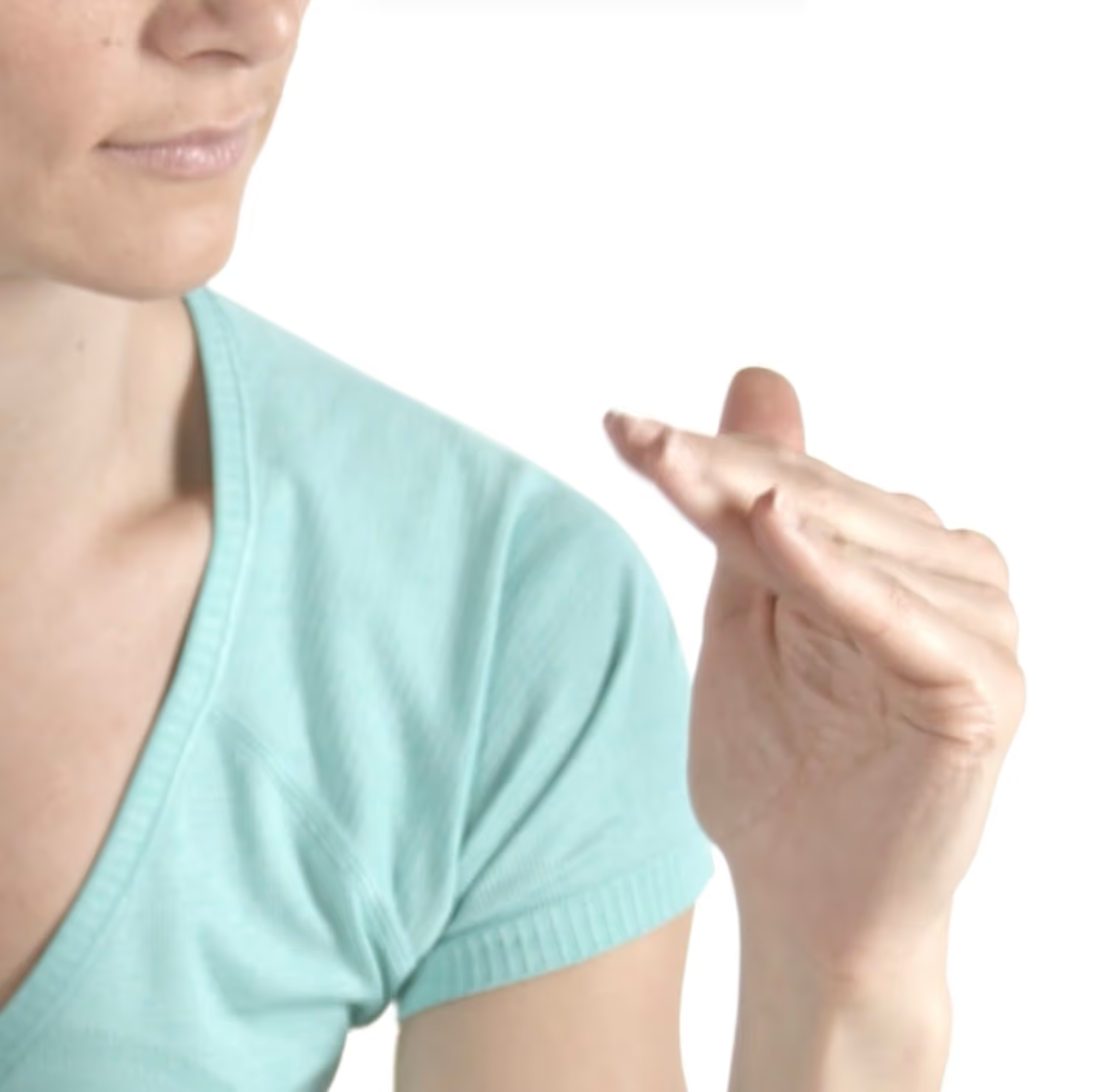
2. How to perform the flat fingers? Follow these instructions:

%20(1).avif)
3. About the flat fingers
- It helps to improve shoulder mobility
- Can help release tension in the shoulder muscles
- A good exercise that helps with thoracic spine rotation
4. List benefits of flat fingers
Here are some potential benefits of performing this exercise:
- Improved mobility: Doing finger exercises will help to maintain maximum flexibility in the joints as well as allow for greater dexterity and range of motion.
- Improved grip: Increasing the strength of the muscles used to grip increases the amount of weight one can successfully lift or manipulate.
- Enhanced balance: Flat finger exercises help to better coordinate the body, aiding in balance and agility.
- Reduced Stress: Finger exercises present a calming and therapeutic outlet to reduce stress and anxiety.
- Improved play: Practicing and honing the different movements in flat finger exercises helps to increase speed and precision of hand and arm movements, an important asset in various sports and activities.
5. FAQ on flat fingers


The correct form for flat fingers exercise is to start by extending your fingers out straight in front of you. Then, curl your fingers into a flat position, with your palms facing up. Hold this position for 10-15 seconds, then relax and repeat the exercise.
The flat fingers exercise should be done at least twice a day, every day. It is important to do it consistently to ensure that your hands and fingers remain strong and flexible.
The flat fingers exercise targets the muscles of the forearm, including the flexors and extensors of the wrist and fingers. It also works the muscles of the hand, including the intrinsic muscles of the hand and the thenar and hypothenar muscles.
Yes, the flat fingers exercise is suitable for all fitness levels. It is a simple exercise that can be adjusted to fit any fitness level. It is a great way to improve grip strength, hand dexterity, and overall physical fitness.
The flat fingers exercise is a great way to improve dexterity, strength, and coordination in your hands and fingers. It can also help to improve your grip strength and overall hand health. Additionally, it can help to reduce pain and stiffness in your hands and fingers, as well as improve your ability to perform everyday tasks such as writing and typing.

