Disfungsi Tendon Tibialis Posterior
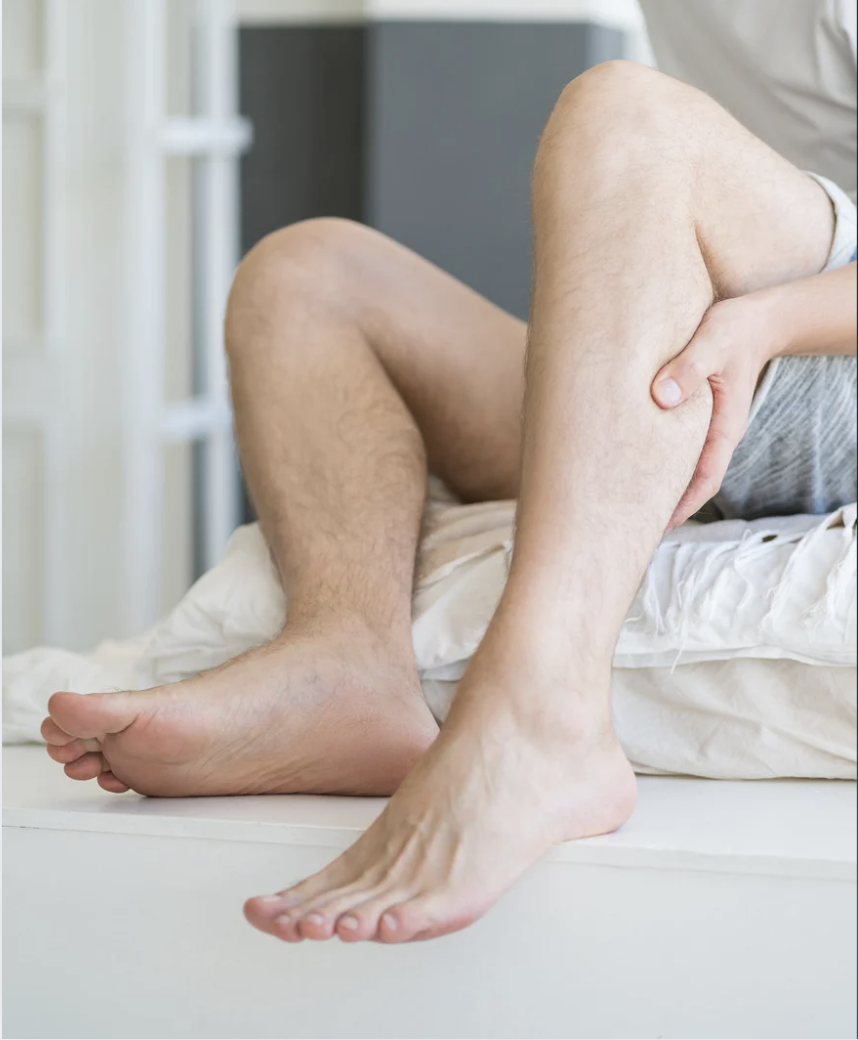
Otot tibialis posterior adalah penstabil dinamis utama lengkung longitudinal medial kaki, dan otot ini juga berfungsi untuk membalikkan, mengaduksi, dan melakukan plantarfleks pada kaki. Disfungsi otot ini menyebabkan perataan lengkung longitudinal, yang berkontribusi terhadap nyeri dan gangguan fungsional pada PTTD.
Penyebab PTTD
Tibialis posterior tendon dysfunction (PTTD) adalah suatu kondisi yang kompleks dengan etiologi multifaktorial, yang berarti tidak ada penyebab tunggal yang dapat diterima secara universal. Secara umum dipahami sebagai kondisi degeneratif yang ditandai dengan perubahan patologis pada tendon tibialis posterior, yang sering kali menyebabkan runtuhnya lengkungan longitudinal medial, deformitas valgus pada kaki belakang, dan abduksi kaki depan. Proses ini melibatkan kelemahan otot tibialis posterior dan tendonnya. Berikut ini adalah faktor-faktor kunci yang diidentifikasi sebagai penyebab PTTD:
Tekanan Mekanis dan Penggunaan Berlebihan:
- Tekanan yang berlebihan pada tendon tibialis posterior dapat menyebabkan tendinopati.
- Ini adalah cedera yang terlalu sering digunakan, terutama yang terkait dengan aktivitas yang berhubungan dengan olahraga di mana pengulangan dan kecepatan pembebanan meningkat secara signifikan.
- Faktor mekanis termasuk gangguan tendinopati, gangguan fungsional, kelainan sendi talokranial, ketegangan/traksi jaringan lunak, kelasi yang sudah ada sebelumnya, dan pronasi fungsional yang berlebihan.
- Jalur anatomi tendon tibialis posterior, yang berbelok tajam di sekitar malleolus medial, juga dapat berkontribusi pada kondisi ini.
Kelainan Bentuk Kaki dan Biomekanik:
- PTTD paling sering disertai dengan kelainan bentuk kaki pes planovalgus (kelasi). Terdapat konsensus bahwa PTTD dan pes planovalgus berhubungan erat. Namun, tidak jelas apakah disfungsi otot-tendon merupakan akibat dari kelainan bentuk kaki atau apakah itu penyebab kelainan bentuk kaki.
- Pasien sering kali datang dengan postur kaki yang pronasi dan peningkatan pronasi di daerah sendi talo-navicular selama aktivitas menahan beban seperti melompat atau melompat.
- Studi biomekanik menunjukkan bahwa PTTD dikaitkan dengan peningkatan abduksi kaki depan dan eversi kaki belakang selama siklus gaya berjalan.
- Performa pinggul dan pergelangan kaki yang lemah serta keseimbangan yang buruk juga merupakan temuan yang terkait.
Faktor Demografi dan Sistemik:
- Usia dan Jenis Kelamin: PTTD umumnya terlihat pada wanita paruh baya, terutama mereka yang berusia di atas 40 tahun. Sebagian besar penelitian tentang PTTD merekrut pasien dengan usia rata-rata atau median lebih dari 40 tahun, dan sebagian besar atau seluruhnya adalah perempuan.
- Indeks Massa Tubuh (BMI): Pasien dengan PTTD cenderung memiliki BMI yang lebih tinggi, sering dikategorikan sebagai kelebihan berat badan (BMI > 25 kg/m^2$). Pembebanan lengkung yang tidak normal akibat obesitas dianggap sebagai salah satu faktor.
- Gangguan Inflamasi: Kondisi seperti artritis reumatoid dan penyakit inflamasi lainnya diidentifikasi sebagai penyebabnya.
- Trauma: Riwayat cedera traumatik akut dapat dilaporkan.
- Kondisi Metabolik: Faktor-faktor seperti peningkatan kolesterol, menopause, diabetes, dan hipertensi terkait dengan PTTD.
- Faktor Risiko Lainnya: Infeksi, proses penuaan, kehamilan, gangguan mikrovaskular atau makrovaskular, merokok, paparan steroid lokal, penggunaan obat jangka panjang, dan trauma/operasi kaki belakang sebelumnya.
- Perbedaan Panjang Kaki (LLD): Studi menunjukkan bahwa prevalensi LLD yang lebih tinggi dan nilai LLD absolut/relatif yang lebih besar ditemukan pada pasien PTTD, yang mengindikasikan bahwa LLD dapat menjadi faktor risiko.
PTTD adalah kondisi yang progresif. Klasifikasi Johnson & Strom membagi PTTD ke dalam beberapa tahap, dengan Tahap I dan II yang melibatkan struktur kaki yang fleksibel yang biasanya dapat diatasi dengan perawatan non-bedah, sedangkan Tahap III dan IV melibatkan perataan lengkung memanjang yang kaku dan perubahan degeneratif lainnya. Kurangnya diagnosis dini atau diagnosis yang terlewat dapat berisiko terhadap perkembangan kelainan ini.
Diagnosis Disfungsi Tendon Tibialis Posterior (PTTD) pada dasarnya adalah diagnosis klinis yang bergantung pada pengalaman, pengetahuan, dan interpretasi profesional kesehatan terhadap gejala dan temuan objektif pasien. Diagnosis dini sangat penting, karena PTTD merupakan kondisi progresif yang dapat menyebabkan kelainan bentuk kaki yang parah jika tidak ditangani secara efektif.
Penilaian Klinis: Temuan Subjektif dan Objektif
Pemeriksaan klinis yang menyeluruh melibatkan pengumpulan laporan subjektif dari pasien dan melakukan tes objektif.
Gejala yang Dilaporkan Pasien:
- Nyeri dan Pembengkakan: Pasien biasanya mengeluhkan nyeri dan bengkak di belakang aspek medial pergelangan kaki (medial malleolus). Ketidaknyamanan ini dapat meluas lebih jauh ke atas kaki ke arah lutut atau terasa jauh di dalam aspek medial proksimal dan posterior tibia. Rasa sakit sering digambarkan sebagai cedera yang terlalu sering digunakan, lebih buruk dengan aktivitas, dan menyebabkan nyeri tekan. Seiring dengan perkembangan kondisi, rasa sakit juga dapat dilaporkan pada aspek lateral pergelangan kaki atau di area sinus tarsi.
- Kaki Rata / Kelainan Bentuk: Pasien mungkin merasakan adanya perataan kaki yang progresif, hilangnya lengkung longitudinal medial, dan perasaan berjalan di bagian dalam kaki. Hal ini dapat menyebabkan penurunan stabilitas berjalan, terutama pada permukaan yang tidak rata.
- Keterbatasan Fungsional: Individu sering mengalami kesulitan dengan aktivitas seperti meningkatkan level latihan, jogging ringan, atau berjalan. Mereka juga mungkin melaporkan ketidakmampuan untuk berjinjit tanpa rasa sakit yang luar biasa.
Pemeriksaan Fisik:
- Pengamatan Visual dalam Posisi Statis:
- Profil lengkungan yang jatuh.
- Sendi talo-navicular yang bergeser ke arah medial.
- Kaki depan yang terangkat (sering disebut "tanda jari kaki terlalu banyak", di mana lebih banyak jari kaki yang terlihat dari belakang pasien daripada biasanya).
- Kalkaneus yang terbalik (tulang tumit berbalik ke luar).
- Pembengkakan ringan dan nyeri tekan sedikit di belakang malleolus medial pada pemeriksaan dan palpasi.
- Tes Fungsional:
- Tes Angkat Tumit Tunggal dan Ganda: Tes ini sangat penting untuk menilai fungsi tibialis posterior. Pada tes positif untuk PTTD, pasien akan merasa sulit atau tidak mungkin untuk melakukannya karena rasa sakit dan kelemahan, dan kalkaneus (tulang tumit) mungkin tidak dapat terbalik (berputar ke dalam) seperti biasanya. Angkat tumit satu tungkai dianggap sebagai tes klinis yang paling dapat diandalkan untuk Tibialis Posterior Tendinopati (TPT), tahap awal PTTD.
- Pengujian Resistensi: Nyeri akan timbul ketika meraba tendon tibialis posterior di belakang malleolus medial, dan kelemahan dapat diamati pada kaki invertor dan evertor. Pasien dengan PTTD sering menunjukkan berkurangnya inversi subtalar dan kekuatan adduksi kaki depan.
- Analisis Gaya Berjalan: Dapat menunjukkan valgus kaki belakang dan overpronasi pada saat berjalan. Studi biomekanik mencirikan PTTD dengan peningkatan abduksi kaki depan dan eversi kaki belakang selama siklus gaya berjalan. Pasien dengan PTTD juga menunjukkan mekanisme kontrol postural yang berubah selama gaya berjalan, dengan gerakan pusat tekanan (center of pressure/COP) yang bergeser ke arah medial selama fase berjalan dengan tumpuan tunggal, yang mengindikasikan strategi postural yang lebih hati-hati dan konservatif. Mereka mungkin memiliki rasio double stance yang lebih tinggi dan penurunan gerakan dan kecepatan COP anterior-posterior.
- Tes Penurunan Navicular: Tes ini dapat menilai ketinggian lengkung longitudinal medial, dengan temuan seperti penonjolan navicular yang berada 2-3mm di bawah garis yang dicatat.
- Tes Keseimbangan: Pasien dengan PTTD sering kali memiliki tingkat keberhasilan yang lebih rendah pada tes keseimbangan berdiri unipedal dibandingkan dengan kontrol dan mungkin menunjukkan peningkatan perpindahan pusat tekanan anterior-posterior.
Klasifikasi Tahapan PTTD:
Sistem klasifikasi Johnson & Strom, sering kali dengan modifikasi Myerson, digunakan secara luas untuk mengklasifikasikan PTTD ke dalam empat tahap progresif, yang membantu memandu keputusan pengobatan.
- Stadium I: Ditandai dengan panjang tendon yang normal, timbulnya nyeri ringan hingga sedang secara bertahap, nyeri tekan di sekitar malleolus medial hingga insersi navicularis, pembengkakan ringan, dan kelemahan ringan pada tes tumit naik, tetapi dengan lengkung longitudinal medial yang masih utuh.
- Tahap II: Melibatkan tendon yang memanjang, berkembang selama beberapa bulan hingga beberapa tahun, dengan pembengkakan dan nyeri sedang. Tes angkat tumit tunggal menjadi tidak normal, dan terdapat kelainan bentuk kelasi yang fleksibel dengan karakteristik "tanda jari kaki terlalu banyak".
- Stadium III: Tendon memanjang atau terganggu dan mungkin tidak terlalu nyeri. Terdapat perubahan degeneratif pada sendi subtalar, kelainan bentuk kelasi yang tetap, dan rasa sakit dapat berpindah ke area kaki belakang lateral/sinus tarsi akibat benturan.
- Stadium IV: Melibatkan perubahan degeneratif pada sendi subtalar dan pergelangan kaki, dengan kaki belakang menjadi tetap dalam posisi eversi dan pergelangan kaki tidak sejajar, sering kali disebabkan oleh kompromi ligamen deltoid yang mengarah ke artritis tibiotalar lateral.
Penting untuk dicatat bahwa meskipun PTTD sering digunakan secara bergantian dengan "kelainan bentuk kaki datar yang didapat oleh orang dewasa" (AAFD), proposal terbaru menyarankan untuk menggunakan "Tibialis Posterior Tendinopati" (TPT) untuk tahap awal (Johnson dan Strom Tahap I dan sebagian Tahap II) untuk secara khusus merujuk pada patologi tendon itu sendiri, yang membedakannya dengan kelainan bentuk kaki yang lebih luas. Meskipun prevalensinya tinggi, PTTD sering kali tidak didiagnosis secara formal hingga tahap selanjutnya, yang menyebabkan potensi penundaan dalam manajemen yang tepat.
TBD
Perawatan non-bedah biasanya direkomendasikan untuk tahap awal disfungsi tendon tibialis posterior (PTTD), khususnya Stadium I dan II, sebelum struktur kaki menjadi kaku.
Perawatan non-bedah yang paling efektif untuk PTTD sering kali melibatkan kombinasi pendekatan, dengan penekanan khusus pada jenis latihan tertentu dan penggunaan orthosis kaki.
- Kombinasi Ortosis Kaki dan Latihan:
- Sebuah uji coba terkontrol secara acak berkualitas tinggi menemukan bahwa pasien dengan PTTD mendapatkan manfaat paling besar dari kombinasi ortosis kaki dan olahraga setelah periode intervensi selama 12 minggu.
- Tinjauan sistematis menunjukkan bahwa orthosis yang dikombinasikan dengan latihan peregangan dan penguatan memiliki hasil yang lebih baik daripada orthosis dan peregangan saja. Kombinasi ini menghasilkan efek pengobatan yang lebih besar.
- Latihan Penguatan Eksentrik:
- Latihan resistensi eksentrik disorot sebagai metode yang bermanfaat secara klinis dan efektif untuk pengurangan nyeri dan peningkatan kekuatan otot pada tendinopati tibialis posterior ketika diresepkan dengan dosis yang tepat.
- Sumber-sumber menunjukkan bahwa latihan eksentrik tampaknya memiliki dampak yang lebih besar dalam meringankan gejala dan meningkatkan kualitas hidup bila dibandingkan dengan latihan peregangan dan/atau latihan konsentris.
- Satu uji coba terkontrol secara acak menunjukkan bahwa peningkatan terbesar dalam skor Foot Function Index (FFI ) terlihat pada pasien yang melakukan latihan tendon tibialis posterior eksentrik, dibandingkan dengan pasien yang hanya menggunakan orthosis dengan peregangan, atau orthosis dengan peregangan dan latihan konsentris.
- Keunggulan latihan eksentrik ini disebabkan oleh kemampuan untuk menerapkan beban yang lebih tinggi melalui tendon selama latihan ini, yang sangat penting untuk memunculkan perubahan fisiologis di dalam tendon. Tujuan dari latihan ini adalah untuk meningkatkan kekuatan otot.
- Sebuah tinjauan sistematis menyimpulkan bahwa latihan eksentrik mungkin lebih unggul dalam meningkatkan rasa sakit, kecacatan, dan fungsi kaki secara keseluruhan yang dilaporkan sendiri daripada latihan konsentris dan ortosis kaki serta peregangan saja.
- Contoh latihan eksentrik termasuk gerakan menurunkan tumit yang dilakukan di tepi tangga dari posisi mengangkat betis, sering kali dengan beban yang meningkat.
- Ortosis Kaki (dan Alas Kaki Pendukung):
- Foot orthosis umumnya dianggap sebagai pendekatan lini pertama untuk perawatan non-bedah.
- Mereka bertujuan untuk menstabilkan kaki, mencegahnya beradaptasi dengan posisi rata, dan mengurangi tekanan pada tendon tibialis posterior selama aktivitas menahan beban.
- Ortosis yang dibuat khusus, yang dirancang dengan fitur-fitur seperti penyangga lengkung longitudinal medial dan tumit berbentuk mangkuk, digunakan untuk meningkatkan stabilitas kaki bagian belakang dan mengoreksi posisi kaki.
- Penggunaan alas kaki yang mendukung bersama dengan orthosis dapat mengoptimalkan peluang pemulihan non-bedah.
- Penelitian telah menunjukkan bahwa orthosis dapat mengurangi rasa sakit dan meningkatkan fungsi, sehingga membantu pasien menghindari pembedahan dalam banyak kasus.
- Pendidikan Pasien dan Manajemen Beban:
- Sangatlah penting bagi pasien untuk mendapatkan edukasi mengenai sifat PTTD dan pentingnya rehabilitasi untuk mencegah perkembangannya.
- Manajemen beban yang tepat dianggap sebagai komponen rehabilitasi yang paling penting untuk tendinopati. Hal ini melibatkan pengurangan beban tekan dan tarik pada tendon.
Referensi:
Adukia, V., Trivedi, R., Houchen-Wolloff, L., Mangwani, J., O'Neill, S., Divall, P., & Vaishya, R. (2025). Manajemen non-operatif dan operatif dari disfungsi tendon tibialis posterior - Sebuah tinjauan sistematis dan meta-analisis. Jurnal Bedah Artroskopi dan Kedokteran Olahraga. https://doi.org/10.25259/JASSM_43_2024
Concannon, M. (2012). Perawatan untuk disfungsi tendon tibialis posterior. Practice Nursing, 23(8), 389-393. https://doi.org/10.12968/pnur.2012.23.8.389
Samardzic, V., & Zlatičanin, R. (2023). Latihan eksentrik dalam pengobatan tendinopati tibialis posterior: Sebuah laporan kasus. Jurnal Internasional Ulasan Medis dan Laporan Kasus. https://doi.org/10.5455/IJMRCR.172-1662322943
Blasimann, A., Eichelberger, P., Brülhart, Y., El-Masri, I., Flückiger, G., Frauchiger, L., Huber, M., Weber, M., Krause, GF, & Baur, H. (2015). Perawatan non-bedah untuk nyeri yang terkait dengan disfungsi tendon tibialis posterior: Protokol studi untuk uji klinis acak. Jurnal Penelitian Kaki dan Pergelangan Kaki, 8(1). https://doi.org/10.1186/s13047-015-0095-4
Rhim, H. C., Dhawan, R., Gureck, A. E., Lieberman, D. E., Nolan, D. C., Elshafey, R., & Tenforde, A. S. (2022). Karakteristik dan arah masa depan penelitian tendinopati tibialis posterior: Sebuah tinjauan cakupan. Medicina, 58(12), 1858. https://doi.org/10.3390/medicina58121858
Ross, MH, Smith, MD, Mellor, R., & Vicenzino, B. (2018). Latihan untuk disfungsi tendon tibialis posterior: Tinjauan sistematis terhadap uji klinis acak dan pedoman klinis. BMJ Open Sport & Exercise Medicine, 4(1), e000430. https://doi.org/10.1136/bmjsem-2018-000430
Dooley, SW, Evashwick-Rogler, T., Murawski, CD, Guyton, GP, & Smyth, NA (2022). Transfer fleksor digitorum longus untuk disfungsi tendon tibialis posterior adalah standar perawatan: Apakah bukti-bukti mendukungnya? Foot & Ankle Orthopaedics, 7(1). https://doi.org/10.1177/2473011421S00180
Wang, J., Latt, L. D., Martin, R. D., & Mannen, E. M. (2022). Perbedaan kontrol postural antara pasien dengan disfungsi tendon tibialis posterior dan orang sehat selama berjalan. Jurnal Internasional Penelitian Lingkungan dan Kesehatan Masyarakat, 19(3), 1301. https://doi.org/10.3390/ijerph19031301


