Step-by step guide to the quadratus plantae exercise
Maximize effectiveness: Tips for patients and practitioners
1. Step-by-step video on how to do the quadratus plantae exercise
How to perform the Quadratus Plantae
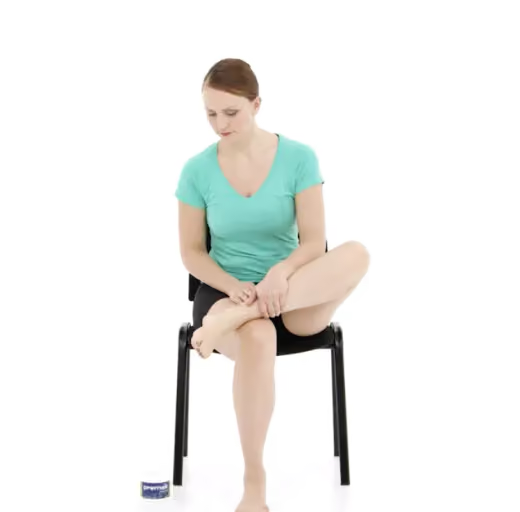
Step 1
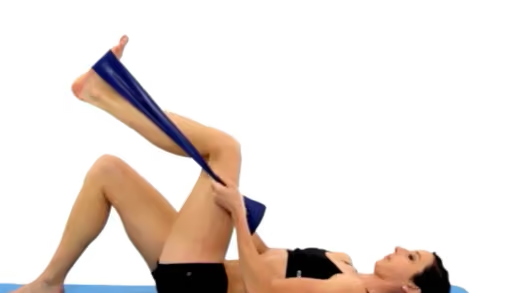
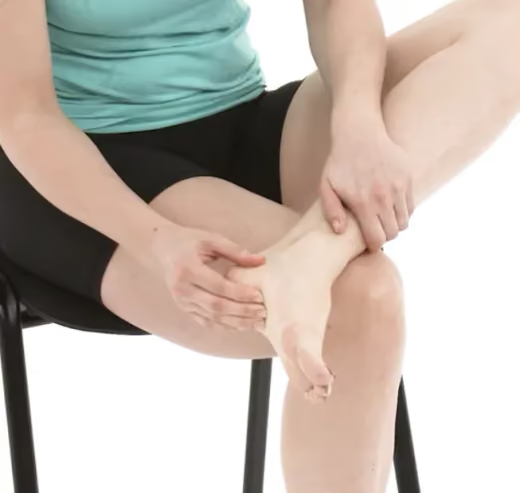
Place the shin of your affected leg on your other knee. Pull the leg of your targeted foot in towards you, allowing your knee to drop out to the side.
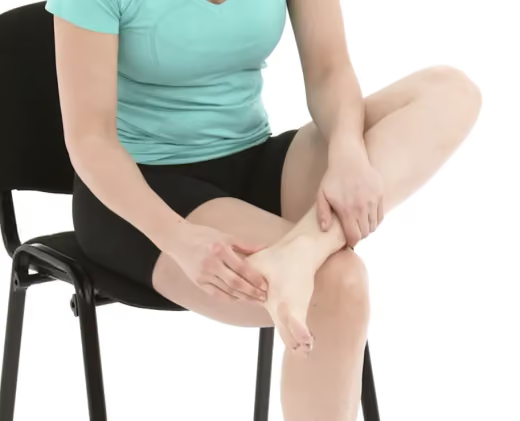
Step 2
With your fingertips, gently press into the tissues on the arch of your foot, just in front of your heel.
Step 3
When you feel a tender spot, press firmly into this area and hold the position.
3. About the quadratus plantae exercise
- Strengthens the feet and ankles
- Increases range of motion in the feet
- Improves balance and stability
- Reduces risk of injury to the lower body
4. Benefits of the quadratus plantae exercise
Here are some potential benefits of performing this exercise:
- Strengthens pelvic muscles to improve posture and balance.
- Reduces pain in the knees, hips, and ankles.
- Improves gait and walking mechanics.
- Enhances core stability and proprioception.
5. FAQ on the quadratus plantae exercise
What muscles does the quadratus plantae exercise target?
The quadratus plantae exercise targets the muscles of the sole of the foot, including the abductor hallucis, flexor digitorum brevis, flexor hallucis brevis, and quadratus plantae.
How often should I perform the quadratus plantae exercise?
The quadratus plantae exercise should be performed 2-3 times per week. It is important to start with a low intensity and gradually increase the intensity as the muscles become stronger. Additionally, it is important to take a day off between workouts to allow the muscles to recover.
What are the benefits of performing the quadratus plantae exercise?
The quadratus plantae exercise can help to improve the strength and flexibility of the muscles in the foot and ankle. It can also help to reduce the risk of injury by strengthening the muscles that support the arch of the foot. Additionally, it can help to improve balance and coordination, as well as reduce pain and discomfort in the foot and ankle.