Step-by step guide to the proprioception exercise
Maximize effectiveness: Tips for patients and practitioners
1. Step-by-step video on how to do the proprioception exercise
How to perform the Proprioception
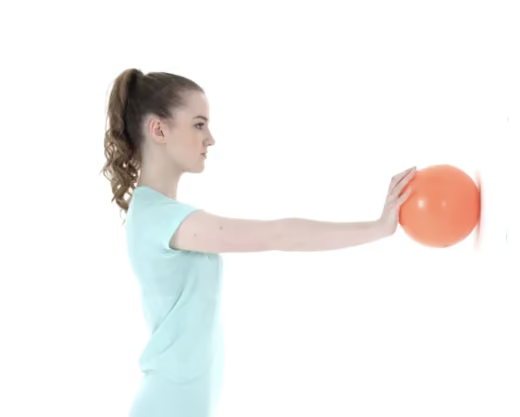
Step 1
Take your arm to shoulder height with the ball in your hand, and press it against the wall. Press lightly into the ball with the heel of your hand.
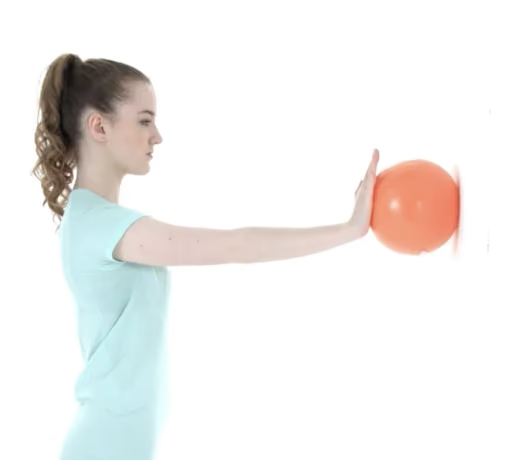
Step 2
Move the ball up and down, side to side and in small circles.
3. About the proprioception exercise
- Increases strength and dexterity
- Helps prevent injuries by strengthening the body
- Helps with posture and alignment
4. Benefits of the proprioception exercise
Here are some potential benefits of performing this exercise:
- Improves coordination and balance
- Strengthens muscles
- Increases joint mobility
- Reduces the risk of injury
5. FAQ on the proprioception exercise
What are the benefits of proprioception exercises?
The benefits of proprioception exercises include improved balance, coordination, agility, and body awareness. Proprioception exercises can also help reduce the risk of injury by improving the body's ability to respond quickly and accurately to changes in the environment. Additionally, proprioception exercises can help improve posture, reduce fatigue, and improve overall physical performance.
How often should I do proprioception exercises?
It is recommended to do proprioception exercises at least twice a week. However, it is important to consult with a physical therapist or physician before starting any exercise program.
How can I make proprioception exercises more challenging?
To make proprioception exercises more challenging, you can increase the speed of the exercises, add weights or bands to the exercises, or add balance components to the exercises. You can also try doing the exercises on different surfaces or with different body positions to challenge your proprioception.
What should I do if I experience pain while doing proprioception exercises?
If you experience any pain while doing proprioception exercises, it is important to stop the exercise and consult a doctor or physical therapist. Pain is a sign that something is wrong and should not be ignored. It is important to make sure that you are doing the exercises correctly and that you are not overdoing them. Your doctor or physical therapist can help you determine the cause of your pain and provide you with the appropriate treatment.