Step-by step guide to the protraction and retraction exercise
Maximize effectiveness: Tips for patients and practitioners
1. Step-by-step video on how to do the protraction and retraction exercise
How to perform the Protraction And Retraction
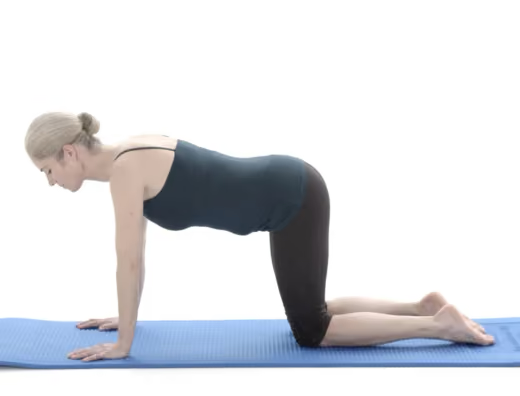
Step 1
Start on your hands and knees, with your hands under your shoulders, and knees under your hips. Keep your elbows and your back straight throughout this exercise.
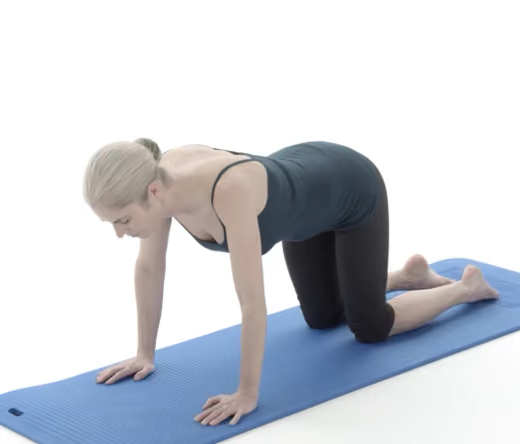
Step 2
Bring your chest down towards the floor by sinking into your shoulders, allowing your shoulder blades to relax towards your spine. Hold this position.
3. About the protraction and retraction exercise
- The exercise involves engaging your back muscles and shoulders to move your shoulder blades forward and backward.
- This exercise helps to improve shoulder mobility and posture.
- Activating the shoulder blades during protraction and retraction helps to stabilize the shoulder joint and reduce the risk of injury
4. Benefits of the protraction and retraction exercise
Here are some potential benefits of performing this exercise:
- Improved range of motion in the involved joints and muscles
- Improved muscular endurance
- Enhanced postural stability
- Improved overall body posture and alignment
5. FAQ on the protraction and retraction exercise
What muscles are used for protraction and retraction?
Protraction and retraction are movements of the shoulder, and the muscles used for these movements are the serratus anterior and the trapezius. The serratus anterior is responsible for protraction, while the trapezius is responsible for retraction.
What are the benefits of protraction and retraction?
Protraction and retraction exercises can help to strengthen the muscles of the face, neck, and shoulders, improve posture, and reduce tension in the jaw. They can also help to improve range of motion in the jaw, reduce the risk of temporomandibular joint (TMJ) disorder, and improve facial symmetry. Additionally, protraction and retraction exercises can help to improve the appearance of the face by helping to reduce wrinkles and fine lines.
What are the risks associated with protraction and retraction?
The risks associated with protraction and retraction include: 1. Damage to the surrounding soft tissue, such as the gums, lips, and cheeks. 2. Damage to the teeth, including chipping, cracking, and root resorption. 3. Damage to the temporomandibular joint (TMJ) due to increased stress on the joint. 4. Increased risk of infection due to the introduction of bacteria into the mouth. 5. Increased risk of orthodontic relapse due to the movement of the teeth.
How often should I perform protraction and retraction?
The frequency of protraction and retraction exercises will depend on your individual needs. Generally, it is recommended to perform these exercises 2-3 times a day for 10-15 repetitions each. If you are experiencing pain or discomfort, reduce the frequency and duration of the exercises. It is important to consult with a physical therapist or other healthcare professional to determine the best course of action for your specific needs.