Step-by step guide to the palmar interossei exercise
Maximize effectiveness: Tips for patients and practitioners
1. Step-by-step video on how to do the palmar interossei exercise
How to perform the Palmar Interossei
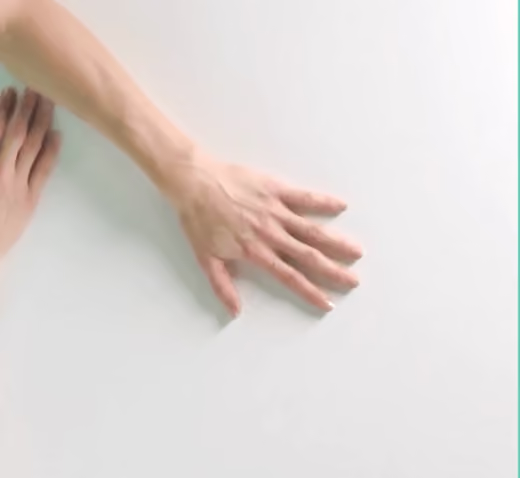
Step 1
Place your affected arm on a table with your palm facing down and your fingers flat.

Step 2
Place a finger from your unaffected hand on the side of your finger that is closest to your middle finger.
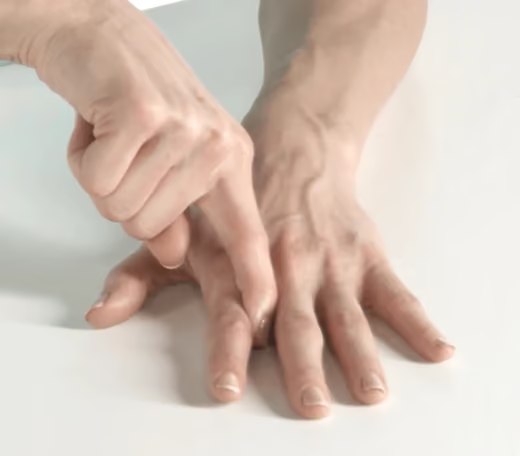
Step 3
Try to move your affected finger in towards your middle finger, using your opposite hand to resist the movement.
3. About the palmar interossei exercise
- These muscles are located in the middle of each metacarpal bone of the hand.
- The movement of the exercise is to dorsiflex (lift) these four muscles off the metacarpal bones.
- This exercise helps to strengthen and condition the forearm muscles for everyday activities.
4. Benefits of the palmar interossei exercise
Here are some potential benefits of performing this exercise:
- Helps to ease pain in the hands and fingers.
- Strengthens the wrist muscles for better support.
- Relieves tension and fatigue in the hands and fingers.
5. FAQ on the palmar interossei exercise
What muscles do palmar interossei exercises target?
Palmar interossei exercises target the muscles located between the metacarpal bones of the hand. These muscles are responsible for the adduction (towards the midline) and abduction (away from the midline) of the fingers.
How often should I do palmar interossei exercises?
It is recommended that you do palmar interossei exercises at least three times a week. However, depending on your individual needs, you may need to do them more or less frequently. It is best to consult with a physical therapist or occupational therapist to determine the best frequency for your specific situation.
What are the benefits of doing palmar interossei exercises?
The benefits of doing palmar interossei exercises include improved grip strength, improved dexterity, increased range of motion in the fingers, improved circulation, and improved hand coordination. Additionally, these exercises can help to reduce pain in the hands, wrists, and forearms.
What are the risks of doing palmar interossei exercises?
The main risk associated with doing palmar interossei exercises is the possibility of overstretching or straining the muscles and tendons in the hand and wrist. Additionally, there is a risk of developing tendonitis or carpal tunnel syndrome if the exercises are done incorrectly or too aggressively. It is important to follow the instructions of a qualified healthcare professional when performing these exercises.