Step-by step guide to the mini squat exercise
Maximize effectiveness: Tips for patients and practitioners
1. Step-by-step video on how to do the mini squat exercise
How to perform the Mini Squat
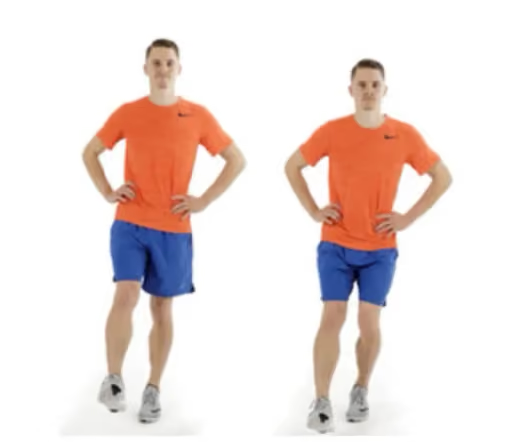
Step 1
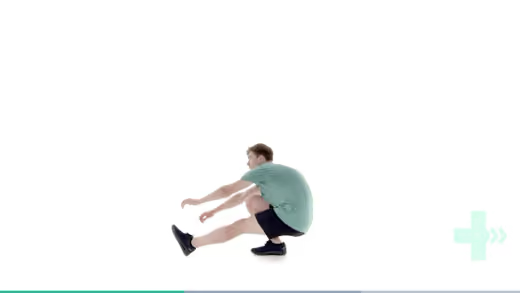
Stand tall on one leg with the other leg in front.
Step 2
Squat down keeping the forward leg in the air. Push back up to the starting position.
3. About the mini squat exercise
- Builds muscular strength, explosiveness, and agility
- Involves a quick, intense movement that can be modified to fit any individual fitness level
- Relies only on body weight, requires limited space
4. Benefits of the mini squat exercise
Here are some potential benefits of performing this exercise:
- Improves overall balance and stability.
- Develops core strength and stability.
- Improves coordination and posture.
- Increases strength in your calves, hamstrings, glutes, and quads.
5. FAQ on the mini squat exercise
What muscles does the mini squat jump target?
The mini squat jump targets the quadriceps, glutes, hamstrings, and calf muscles.
How often should I do mini squat jumps?
Mini squat jumps should be done no more than three times per week. It is important to allow your body adequate time to rest and recover between workouts. If you are doing mini squat jumps as part of a larger workout routine, you should limit them to no more than once per session.
Are mini squat jumps safe for my knees?
Mini squat jumps can be safe for your knees if you perform them correctly. To reduce the risk of injury, make sure to keep your back straight and your knees in line with your toes. Additionally, start with a low number of repetitions and gradually increase the number as you become more comfortable with the movement.
What is the difference between a mini squat jump and a regular squat jump?
A mini squat jump is a lower-intensity variation of a regular squat jump. In a mini squat jump, you start in a squat position and then jump up, but only slightly off the ground. The range of motion is much smaller than a regular squat jump, which requires you to jump up and down with a full range of motion. The mini squat jump is a great way to increase your power and explosiveness without putting too much strain on your joints.