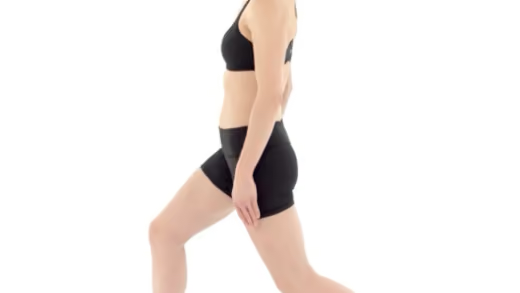
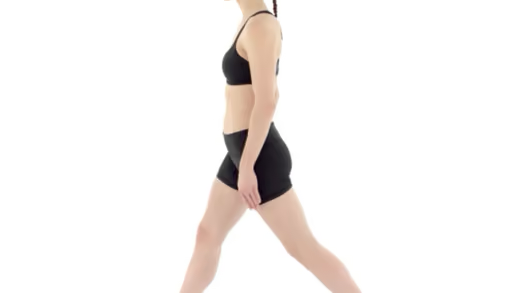
Step-by step guide to the overhead squat exercise
Maximize effectiveness: Tips for patients and practitioners
1. Step-by-step video on how to do the overhead squat exercise
How to perform the Overhead Squat
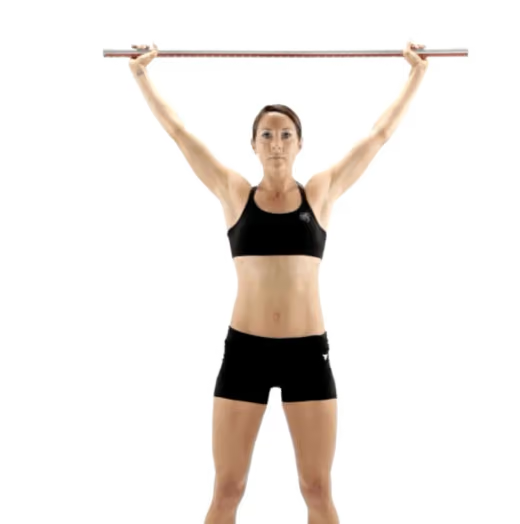
Step 1
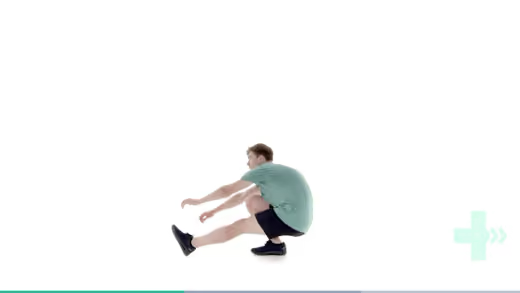
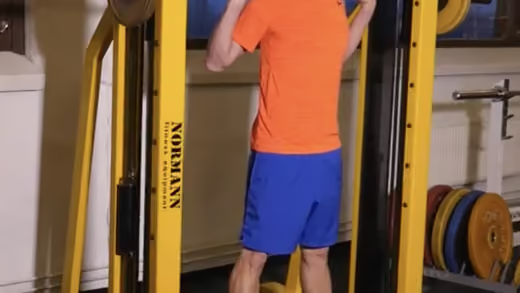
Take a broomstick or a dowel and hold it up above your head with your arms straight. Place your feet shoulder-width apart.
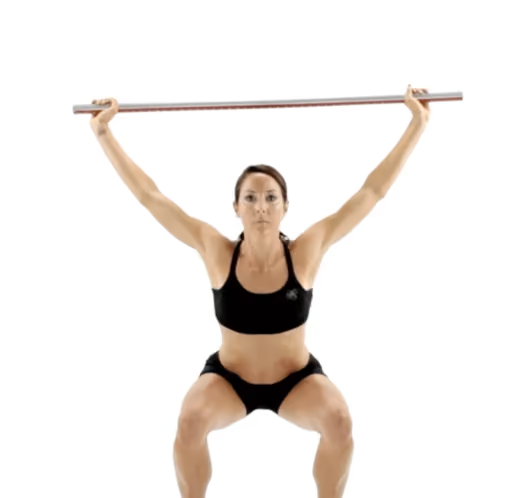
Step 2
Squat down, keeping your chest up and your arms overhead the entire time.
3. About the overhead squat exercise
- Strengthens the entire body to improve overall athletic performance.
- Develops flexibility in the musculature and joints around the spine, hips, and shoulder.
- Enhances the stability of the upper back and shoulder girdle.
- Enhances coordination and proprioception in the lower body.
4. Benefits of the overhead squat exercise
Here are some potential benefits of performing this exercise:
- Improves posture and core strength
- Improves balance and mobility
- Strengthens the major muscles of the lower body
- Increases flexibility and range of motion
5. FAQ on the overhead squat exercise
What is an overhead squat?
An overhead squat is a weightlifting exercise that involves holding a barbell or dumbbells above your head while performing a deep squat. This exercise works multiple muscle groups at once and is a great way to build strength and stability in the lower body.
What muscles does an overhead squat work?
An overhead squat works the quadriceps, hamstrings, glutes, core, shoulders, and upper back muscles.
What are the benefits of an overhead squat?
The overhead squat is an excellent exercise for developing full body strength and stability. It works the entire body, including the core, shoulders, legs, and back. It also helps improve posture, balance, and coordination. Additionally, it can help improve mobility in the hips, ankles, and thoracic spine. Finally, the overhead squat can help improve flexibility in the entire body.
How do I add weight to an overhead squat?
To add weight to an overhead squat, you can use a weighted barbell, dumbbells, kettlebells, or a weighted vest. Make sure you are using proper form and have a spotter to help you if needed. Start with a light weight and gradually increase the weight as you become more comfortable with the movement.