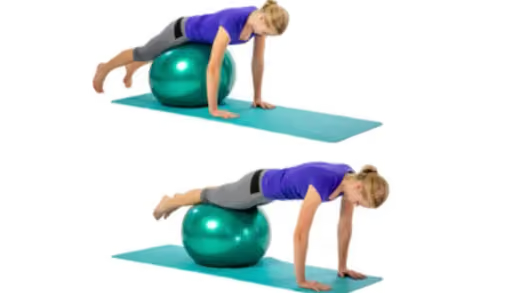
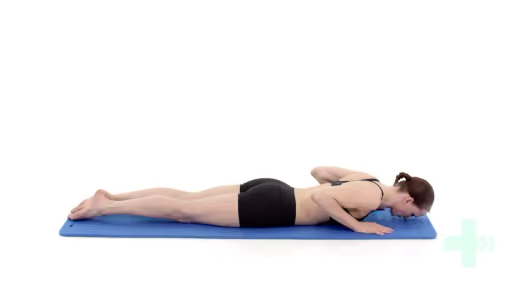
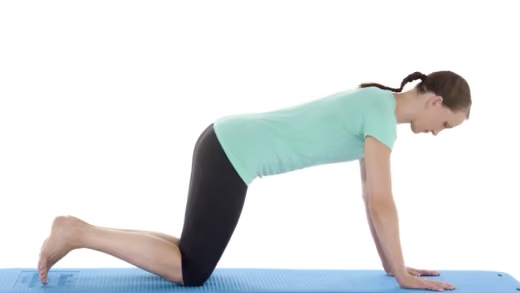
Step-by step guide to the hip plank exercise
Maximize effectiveness: Tips for patients and practitioners
1. Step-by-step video on how to do the hip plank
2. How to perform the hip plank? Follow these instructions:
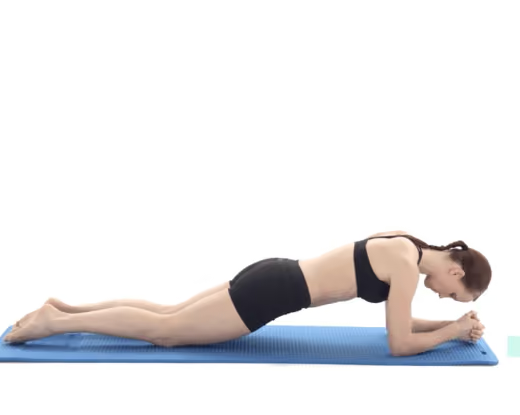
Step 1
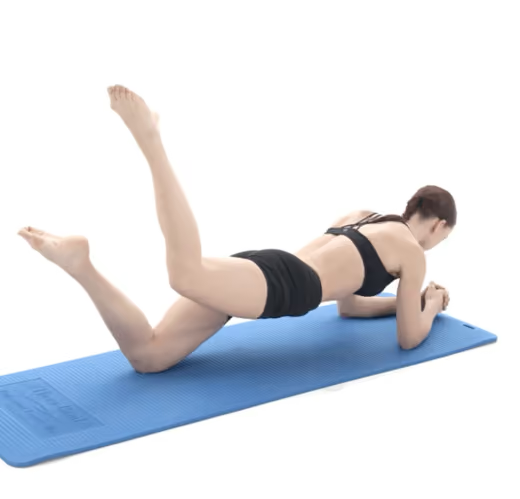
Lift your body up onto your forearms, ensuring your elbows are under your shoulders.
Step 2
Holding this position, lift the knee of your affected leg off the floor, pushing the sole of your foot up towards the ceiling.
Step 3
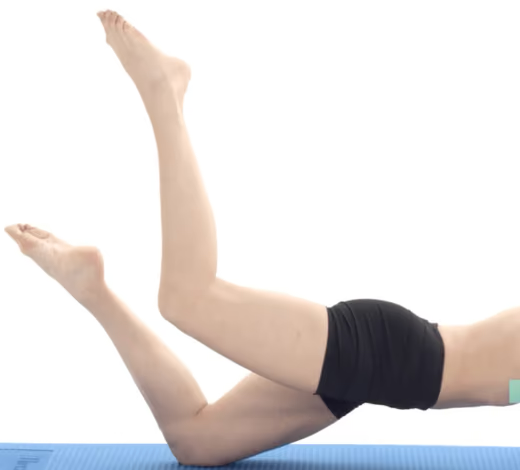
Holding this position, lift the knee of your affected leg off the floor, pushing the sole of your foot up towards the ceiling.
3. About the hip plank
- Focuses on strengthening your hips, core, glutes, and hamstrings
- Improves balance and stability
- Can reduce lower back pain
- Increases body movement and awareness
- Start with 15-30 seconds and work your way up to 2 minutes
4. List benefits of hip plank
Here are some potential benefits of performing this exercise:
- Strengthens core muscles, including the transverse abdominis, to alleviate lower back pain.
- Improves overall balance.
- Targets and strengthens hip flexors and glutes.
- Helps prevent hip and lower back injuries.
- Improves postural stability.
5. FAQ on hip plank
What muscles does the hip plank exercise target?
The hip plank exercise targets the abdominal muscles, glutes, and hip flexors.
How long should I hold a hip plank for?
The amount of time you should hold a hip plank depends on your fitness level. If you are a beginner, aim to hold the plank for 10-30 seconds. If you are more advanced, aim to hold the plank for 1-2 minutes.
How often should I do hip planks?
It is recommended to do hip planks two to three times a week. However, this may vary depending on your fitness level and goals. It is important to listen to your body and adjust your routine accordingly.
Are there any modifications for the hip plank exercise?
Yes, there are several modifications for the hip plank exercise. These include: - Elevating the feet on a step or bench - Placing the hands on an exercise ball - Doing the plank on the side of the body - Doing the plank with one leg lifted - Doing the plank with the arms in a wide position - Doing the plank with the arms in a narrow position - Doing the plank with the arms in a bent position
What are the benefits of doing hip planks?
The benefits of doing hip planks include increased core strength, improved posture, improved balance, increased stability, and improved coordination. Hip planks also help to strengthen the glutes, hamstrings, and lower back muscles, as well as the abdominals. Additionally, hip planks can help to reduce lower back pain and improve overall athletic performance.