Step-by step guide to the flying chest exercise
Maximize effectiveness: Tips for patients and practitioners
1. Step-by-step video on how to do the flying chest
2. How to perform the flying chest? Follow these instructions:
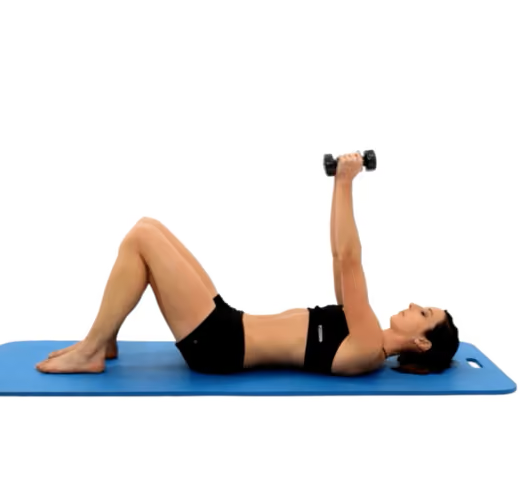
Step 1
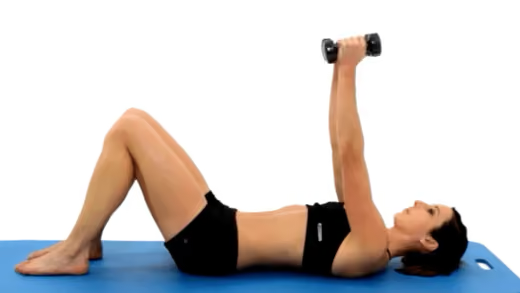
Lie on your back with your knees bent, holding a weight in each hand and reach the weights directly up to the ceiling.
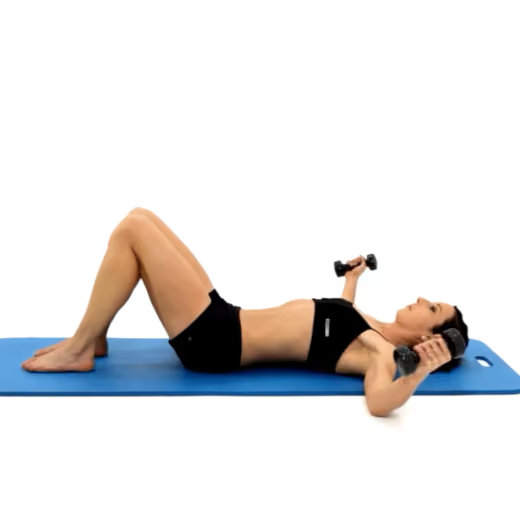
Step 2
Reach the weights directly up to the ceiling.
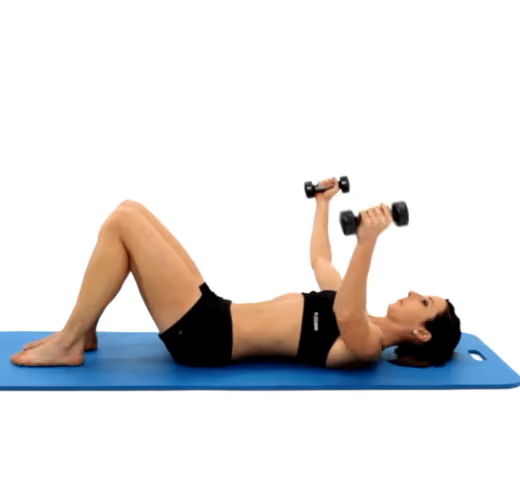
Step 3
Once your arms reach the floor, reverse the movement bringing your arms back up towards the ceiling.
3. About the flying chest
- Focuses on core strength
- Builds upper body and core muscles
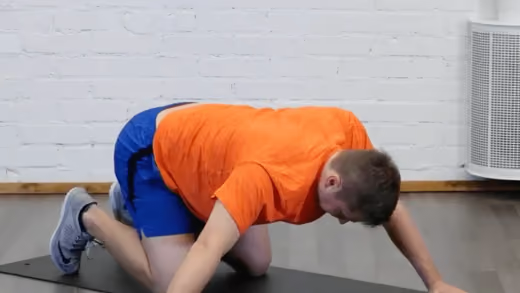
- Push-up position is the starting position
- Fly up into the chest-to-chest position
4. List benefits of flying chest
Here are some potential benefits of performing this exercise:
- Improved respiratory muscle strength and endurance
- Increase in muscular strength and power for the upper body
- Improved balance and coordination
- Improved posture and increased flexibility throughout the spine
- Increased calorie burning and increased body fat burning
5. FAQ on flying chest
What muscles does flying chest to wall exercise target?
The flying chest to wall exercise targets the chest, shoulder, and triceps muscles.
Is flying chest to wall exercise suitable for beginners?
Yes, flying chest to wall exercise is suitable for beginners. It is a great way to build strength and coordination while improving balance and stability. It is also a great way to work the core muscles and improve posture.
How often should I do flying chest to wall exercise?
The frequency of the flying chest to wall exercise depends on your fitness level and goals. Generally, it is recommended to do this exercise two to three times per week, with at least one day of rest between sessions.
What is the best way to warm up before doing flying chest to wall exercise?
The best way to warm up before doing a flying chest to wall exercise is to do dynamic stretching and light cardio exercises. Dynamic stretching helps to activate the muscles and increase blood flow, while light cardio exercises help to raise your heart rate and body temperature. Additionally, it is important to perform a few sets of the exercise with lighter weights to get your body used to the movement.