Step-by step guide to the ball in the wall exercise
Maximize effectiveness: Tips for patients and practitioners
1. Step-by-step video on how to do the ball in the wall
2. How to perform the ball in the wall? Follow these instructions:
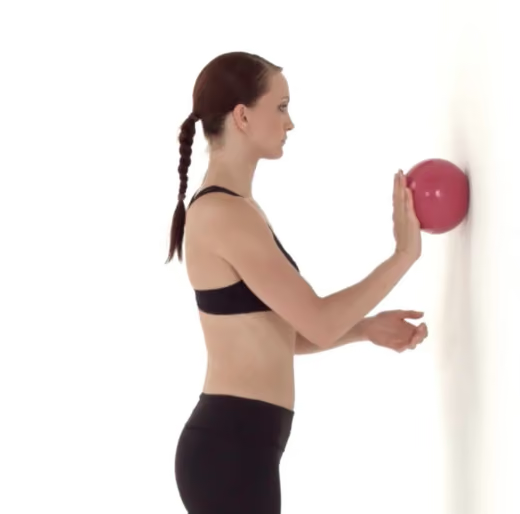
Step 1
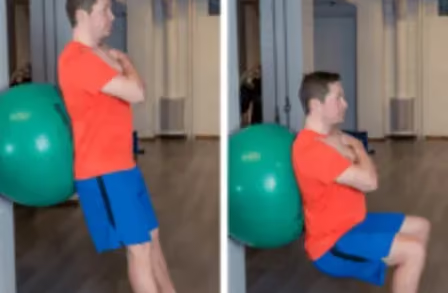
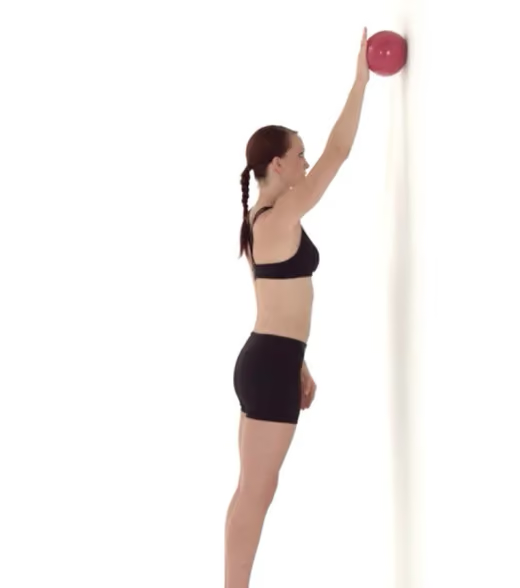
Stand holding a ball against a wall. Keeping your neck long and your shoulder blades back and down, push the ball up the wall as far as you can.
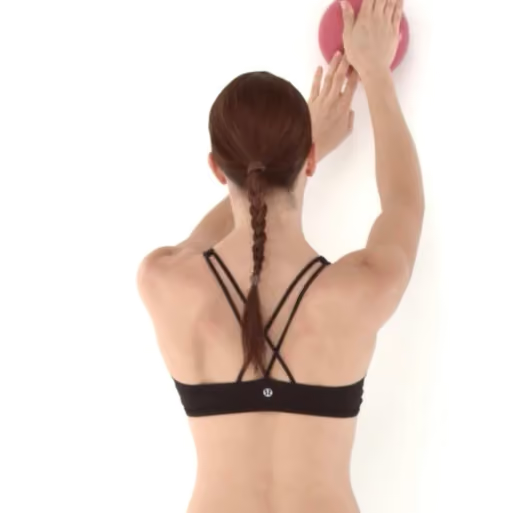
Step 2
Concentrate on using your affected hand with the other only providing light support.
Step 3
Once there, you can move the ball across the wall, or attempt to write letters of the alphabet.
The ball in the wall exercise is an ideal way to build strength, mobility and stability. Focusing on pushing and pressing against a wall ball with your body, it is a great tool to work on toning and strengthening your core.
3. About the ball in the wall
- Place the ball against the wall and at chest level.
- Slowly push your hands against the ball, feeling the pressure of the ball on the hands.
- Gradually increase the amount of pressure and hold it there for a few seconds.
- Relax and repeat while gradually increasing the pressure of the ball against the wall.
4. List benefits of ball in the wall
Here are some potential benefits of performing this exercise:
- Increases physical endurance
- Enhances hand-eye coordination
- Develops muscular coordination
- Trains reflexes quickly
- Improves balance and agility
5. FAQ on ball in the wall
What type of wall should I use for this exercise?
The type of wall you should use for this exercise will depend on the specific exercise and the equipment you are using. If you are using a wall for stretching exercises, a wall with a smooth surface is ideal. For strength exercises, a wall with a rough surface may be more suitable. Additionally, if you are using any equipment such as a pull-up bar or resistance bands, you may need to use a wall with a studded surface to ensure the equipment is securely attached.
How often should I do this exercise?
The frequency of your exercise routine will depend on your individual goals and fitness level. Generally, it is recommended to exercise at least three times a week for 30 minutes each session. However, if you are looking to increase your strength or endurance, you may want to increase the frequency of your workouts.
How many repetitions of this exercise should I do?
The number of repetitions you should do depends on your fitness level and goals. Generally, if you are a beginner, you should start with 8-12 repetitions of an exercise. As you become more experienced, you can increase the number of repetitions to 12-15 or more.
What muscles does this exercise target?
This answer will depend on the specific exercise. Generally speaking, most exercises target multiple muscle groups. For example, a squat will target the quadriceps, hamstrings, glutes, and core.
What is the best way to perform this exercise?
The best way to perform any exercise is to consult a certified fitness professional to determine the best approach for your individual needs. A certified fitness professional can provide you with guidance on proper form, technique, and intensity for the exercise.