

Step-by step guide to the wall angels exercise
Maximize effectiveness: Tips for patients and practitioners
Step-by step guide to the wall angels exercise
Maximize effectiveness: Tips for patients and practitioners

1. Step-by-step video on how to do the wall angels

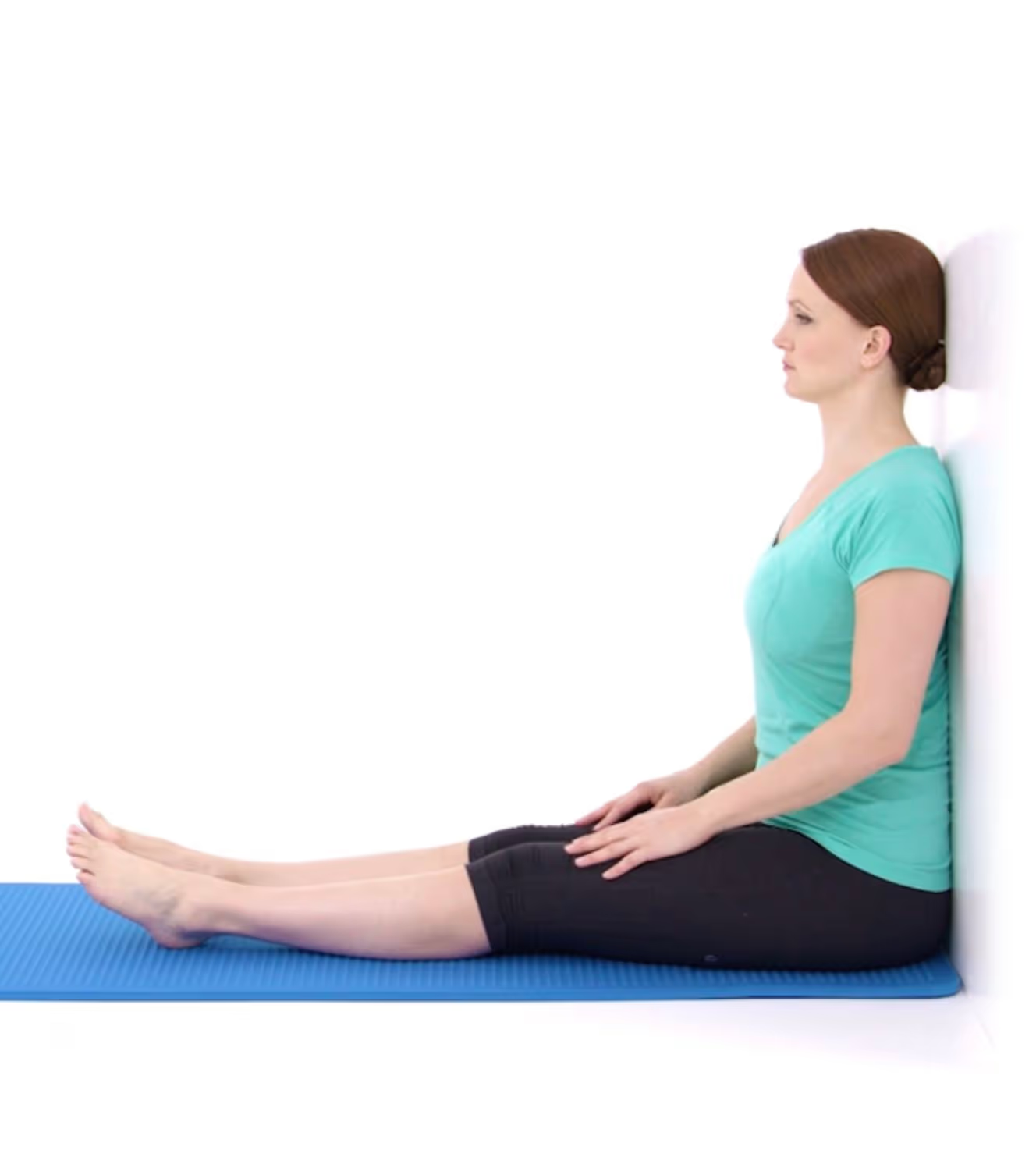
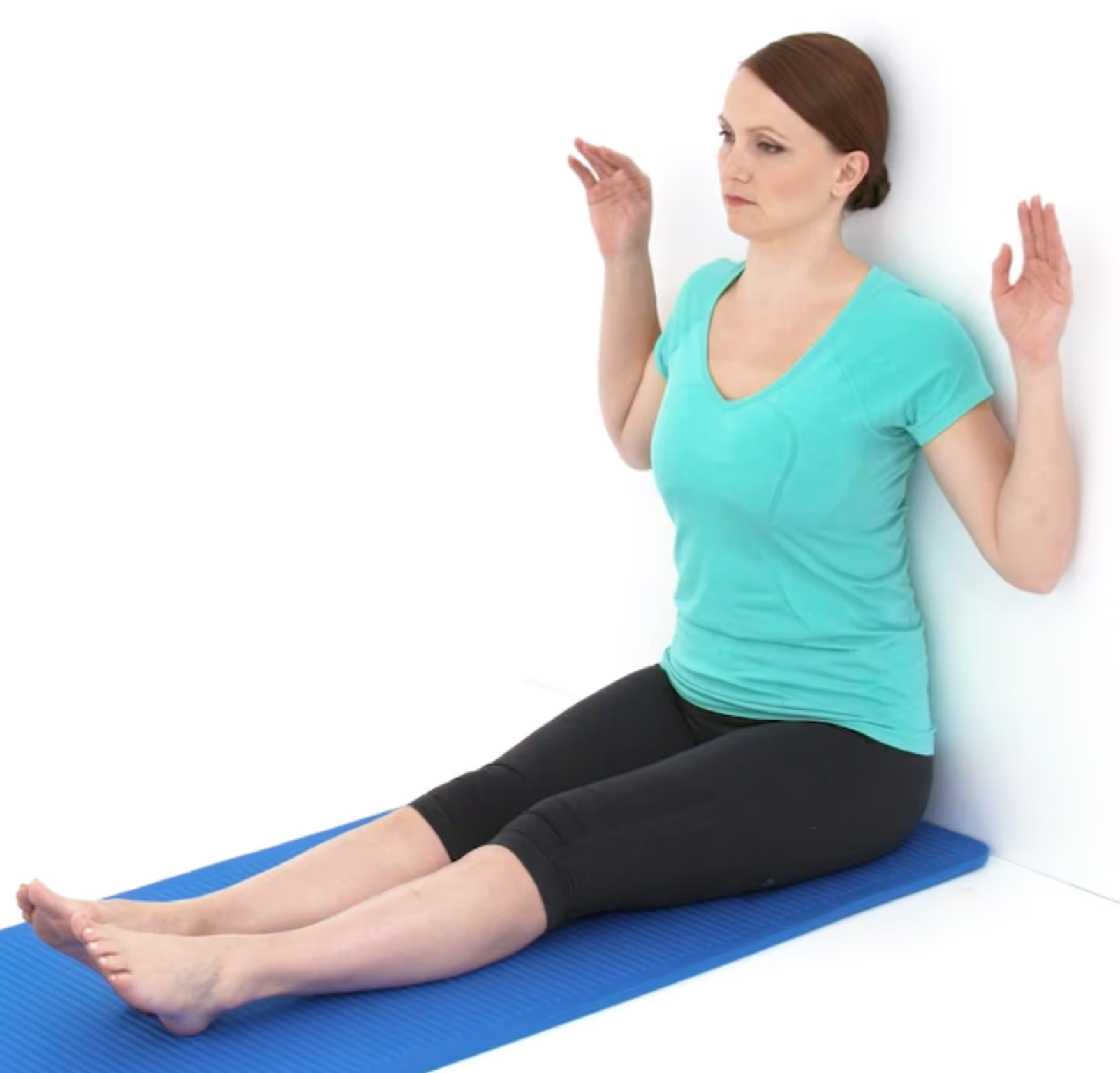
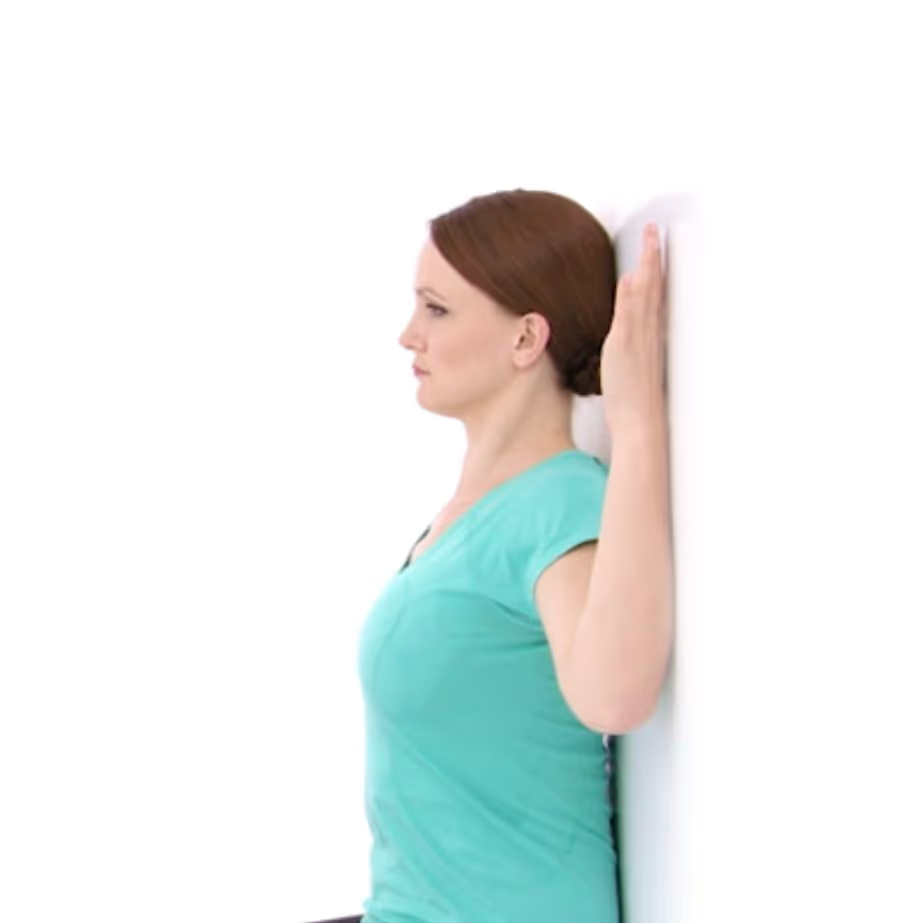
2. How to perform the wall angels? Follow these instructions:


%20(1).avif)
3. About the wall angels
- Wall angels are a bodyweight exercise primarily targeting the shoulders
- It can also help to improve posture and strengthen the upper and middle back
- Start by standing with your back to a wall and then lifting your arms to make an angel shape
- Ensure your arms and elbows remain close to the wall
- Make sure you keep your back flat against the wall for each repetition of the exercise
4. List benefits of wall angels
Here are some potential benefits of performing this exercise:
- Improved shoulder mobility
- Strengthening of the rotator cuff muscles
- Loosening of the chest muscles for better posture
- Reduced risk of rotator cuff injury
- Improved body awareness and coordination
5. FAQ on wall angels


Wall Angels exercise targets the muscles in the chest, shoulders, and upper back. It also helps to stretch the muscles in the chest, shoulders, and upper back.
Wall angels should be done at least once a week to help improve posture and shoulder mobility. However, if you are experiencing shoulder pain, you should do them more often to help reduce pain and improve range of motion.
Wall angels are a great exercise for improving shoulder mobility, strength, and stability. They can help increase range of motion in the shoulder joint, which can help improve posture and reduce pain. They also help to strengthen the muscles in the back, chest, and shoulders, which can help improve overall upper body strength. Furthermore, wall angels can help to improve coordination and balance, which can help with everyday activities.
Common mistakes people make when doing wall angels include not keeping their arms and elbows close to their body, not keeping their back flat against the wall, and not keeping their head and neck in a neutral position. Additionally, some people may not be engaging their core or shoulder blades correctly, resulting in poor form.

