

Step-by-step guide to the sternal precautions exercise
Maximize effectiveness: Tips for patients and practitioners
Step-by-step guide to the sternal precautions exercise
Maximize effectiveness: Tips for patients and practitioners

1. Step-by-step video on how to do the sternal precautions.

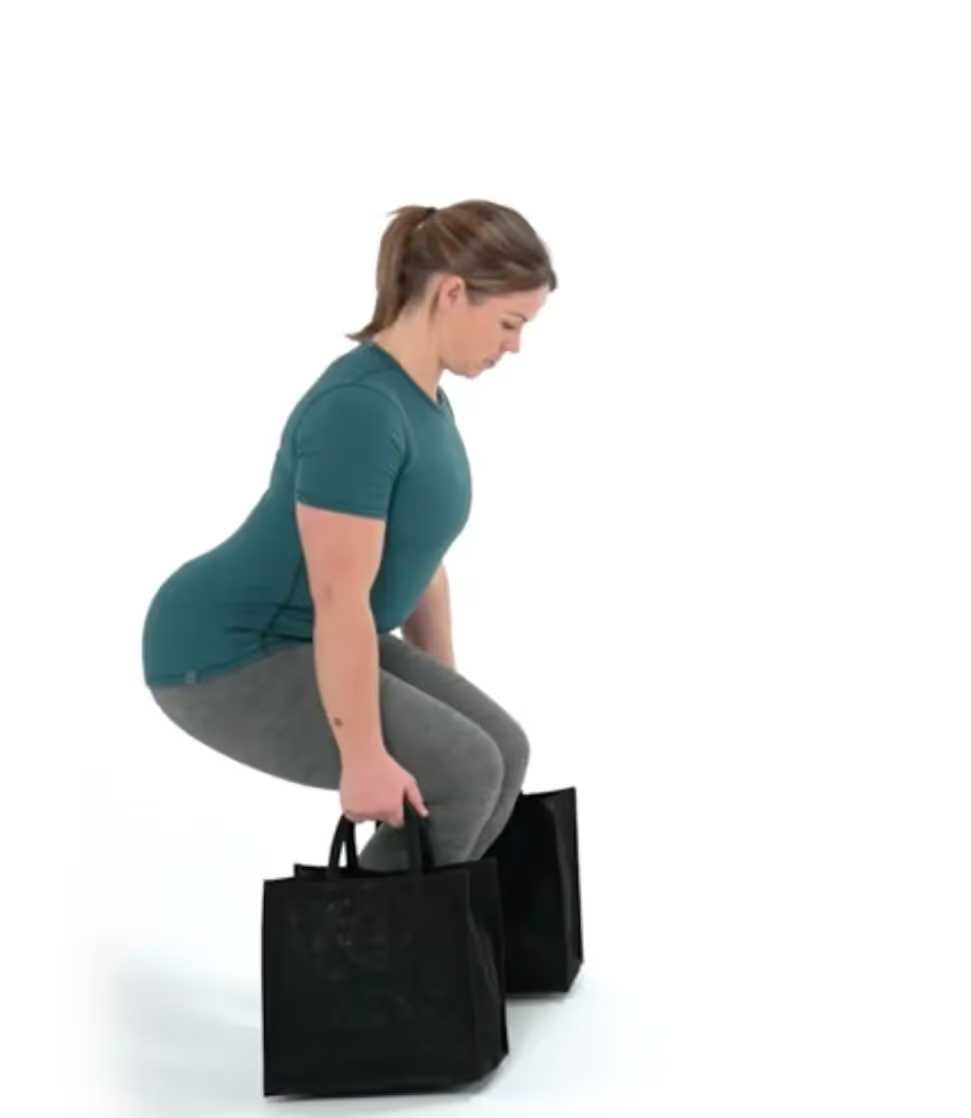
2. How to perform the sternal precautions? Follow these instructions.


%20(1).avif)
3. About sternal precautions.
- Reposition gently
- Support the sternum at all times
- Use both hands to move the top half of the body
4. Benefits of sternal precautions exercise.
Here are some potential benefits of performing this exercise:
- Improved cardiovascular health
- Increase in range of motion
- Reduced risk of injury and pain
- Improved posture and balance
FAQ on precautions


Sternal precautions are a set of guidelines that are used to protect a patient's sternum (breastbone) after they have had open heart surgery. The precautions are designed to help reduce the risk of sternal fracture or other complications by limiting the amount of pressure and strain placed on the sternum. They include avoiding activities that require lifting, pushing, or pulling, avoiding activities that involve twisting or bending at the waist, and avoiding activities that involve excessive force or strain on the chest.
Sternal precautions should be followed for at least 6 weeks after surgery. The exact length of time will depend on the type of surgery you had and your doctor's instructions. It is important to follow your doctor's instructions carefully to ensure proper healing and to avoid any potential complications.
If you experience chest pain while on sternal precautions, you should seek medical attention immediately. You should contact your doctor or go to the nearest emergency room. It is important to be aware of any chest pain that you experience while on sternal precautions, as it could be a sign of a serious medical condition.
If you feel your chest tightening while on sternal precautions, you should seek medical attention immediately. It is important to call your doctor or go to the emergency room right away if you experience any chest pain or tightness.

