

Step-by step guide to the split squat exercise
Maximize effectiveness: Tips for patients and practitioners
Step-by step guide to the split squat exercise
Maximize effectiveness: Tips for patients and practitioners

1. Step-by-step video on how to do the split squat

2. How to perform the split squat? Follow these instructions:
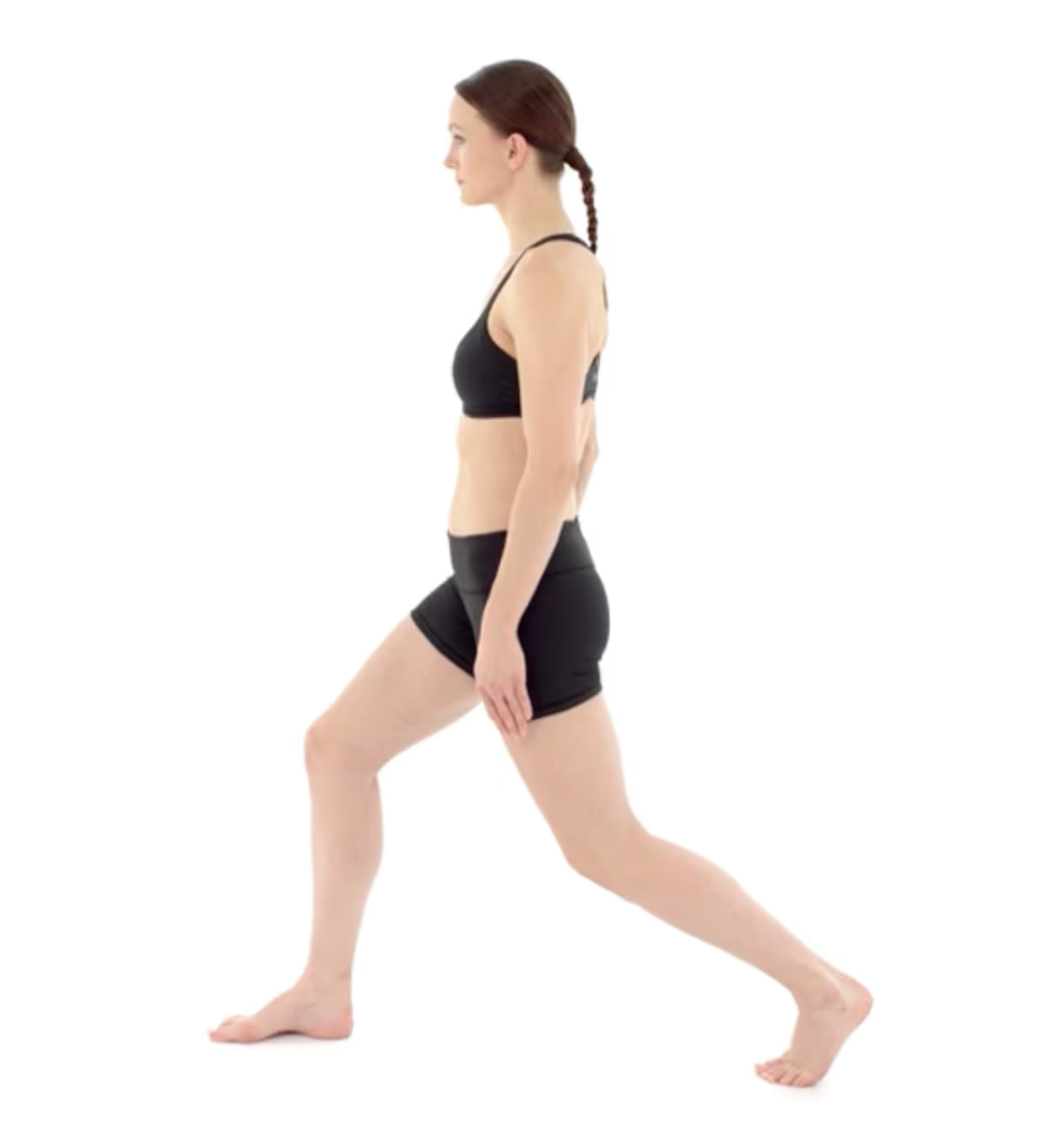
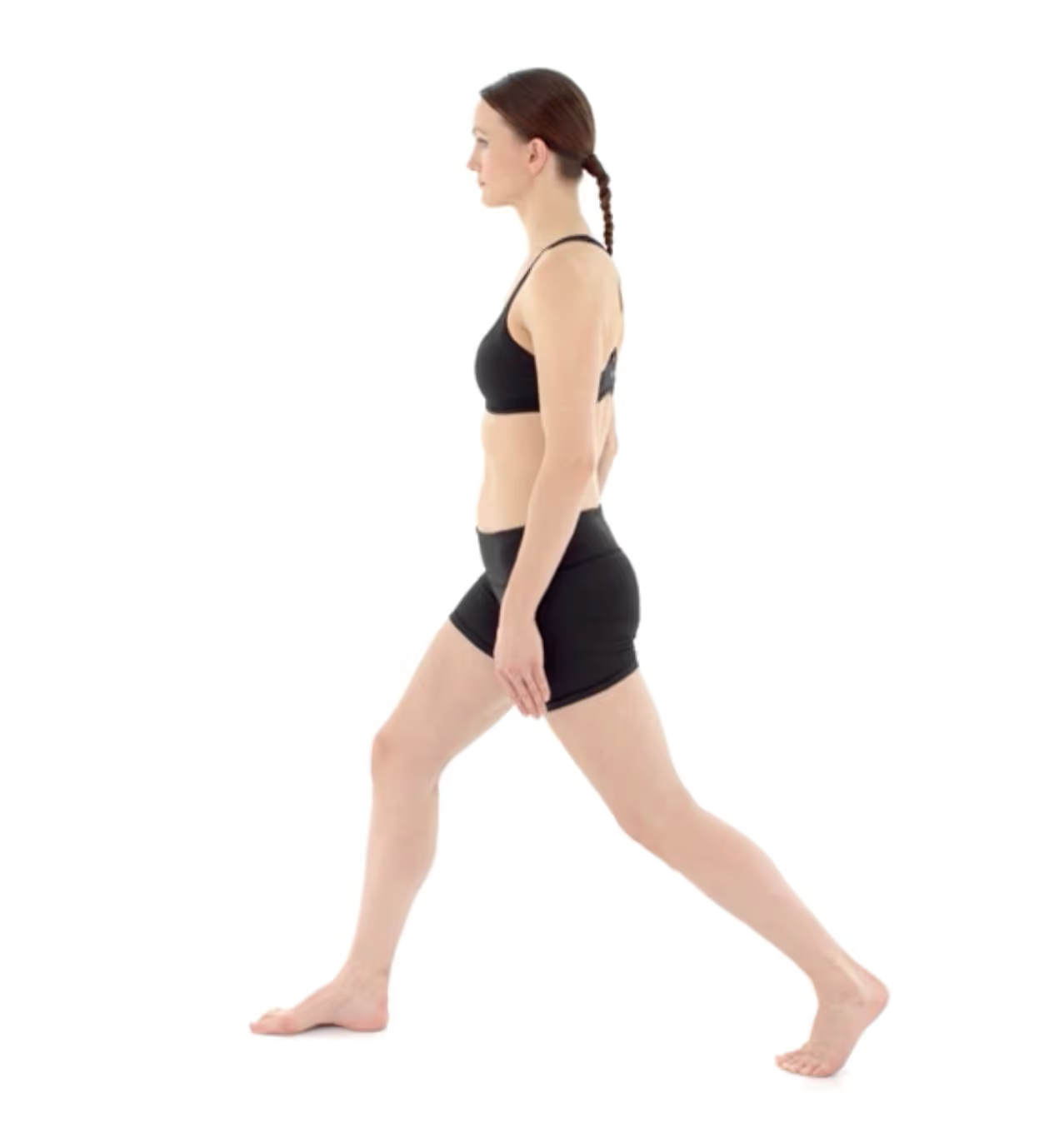

%20(1).avif)
3. About the split squat
- The split squat, also known as the static lunge, is a lower body strength exercise.
- It targets muscles in the legs, including the quadriceps, hamstrings, glutes, and calves.
- It is a unilateral exercise, working one leg at a time, helping address muscle imbalances.
- The exercise involves stepping forward with one foot and lowering the back knee towards the ground.
- The split squat improves lower body strength, balance, and stability, and can be modified by adding weights or resistance.
4. List benefits of split squat
Here are some potential benefits of performing this exercise:
- Lower body strength: The split squat targets the major muscles in the lower body, such as the quadriceps, hamstrings, glutes, and calves. Regularly performing this exercise can help develop strength and muscle tone in these areas.
- Muscle balance and stability: Since the split squat is a unilateral exercise, it helps address any muscle imbalances between the left and right legs. By working each leg independently, it promotes balanced strength development and improves overall stability
- Improved functional movements: The split squat mimics movements used in various sports and daily activities that require unilateral leg strength, such as running, jumping, and lunging. By training with split squats, you can enhance your performance and ability to perform these movements effectively.
5. FAQ on split squad


The split squat exercise is a lower body strength training exercise that targets the muscles of the legs, including the quadriceps, hamstrings, glutes, and calves. It is also known as the static lunge.
Leg strength: The primary goal of the split squat exercise is to strengthen the muscles of the lower body, including the quadriceps, hamstrings, glutes, and calves. By performing split squats regularly, you can increase the strength and endurance of these muscles, leading to improved overall leg strength. Muscle balance and symmetry: The split squat is a unilateral exercise, which means it works one leg at a time. This helps identify and address any muscle imbalances between the left and right legs. By training each leg independently, you can promote balanced strength development and improve symmetry in the lower body.
Warm-up: Begin your workout session with a proper warm-up routine. This can include five to ten minutes of light aerobic activity such as jogging, cycling, or jumping rope to increase blood flow to the muscles and raise your body temperature. Additionally, perform dynamic stretches that target the muscles you will be engaging during the split squat exercise, such as leg swings, hip circles, or walking lunges. Find your stance: Stand with your feet hip-width apart and take a step forward with one foot, positioning it at a comfortable distance. Experiment with different distances between your feet to find a stance that allows you to maintain balance and stability throughout the exercise.
The primary benefit of split squats is that they target the major muscles of the lower body, including the quadriceps, hamstrings, glutes, and calves. Regularly performing split squats can help develop strength and muscle tone in these areas, leading to increased lower body strength.

