

Step-by step guide to the legs pull in exercise
Maximize effectiveness: Tips for patients and practitioners
Step-by step guide to the legs pull in exercise
Maximize effectiveness: Tips for patients and practitioners

1. Step-by-step video on how to do the legs pull in

2. How to perform the legs pull in? Follow these instructions:
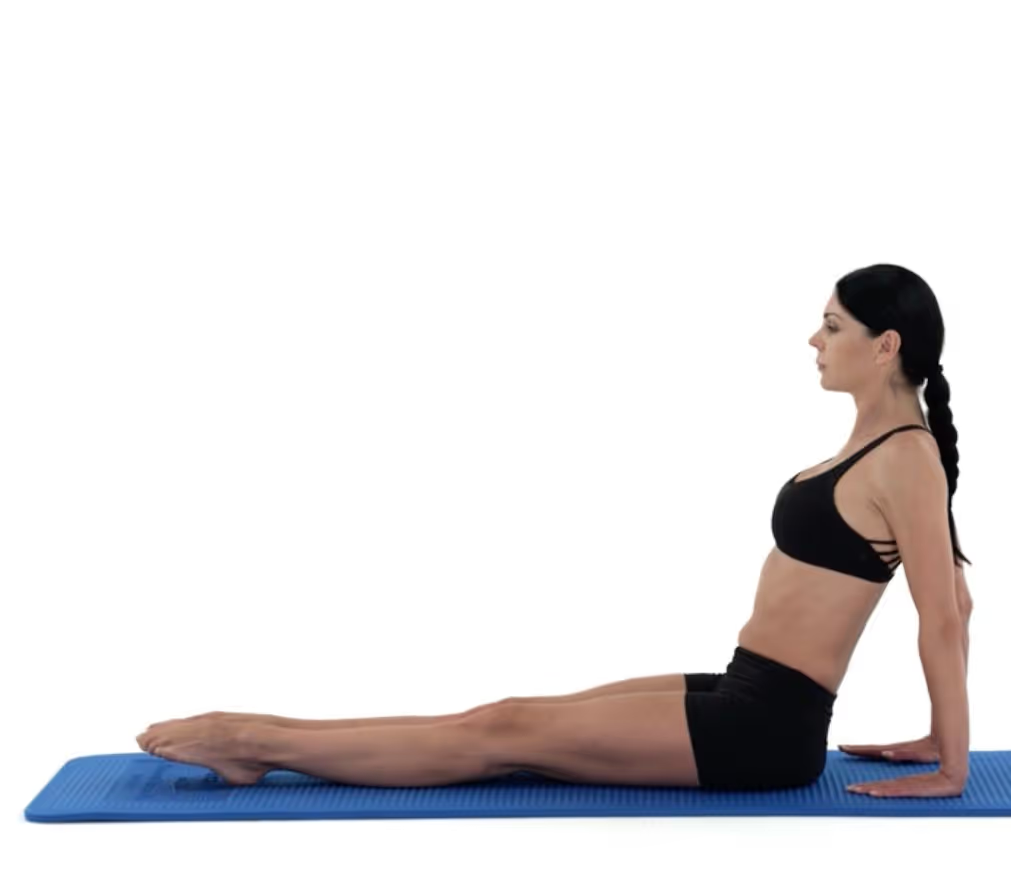
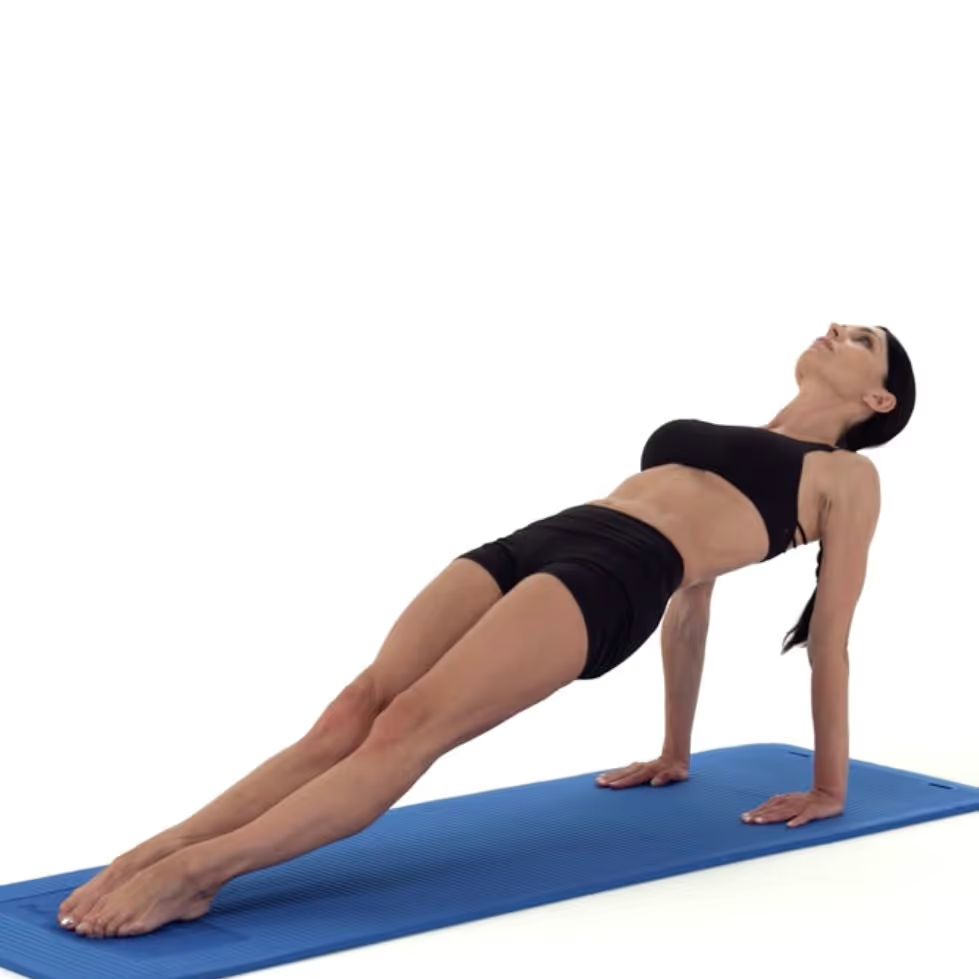
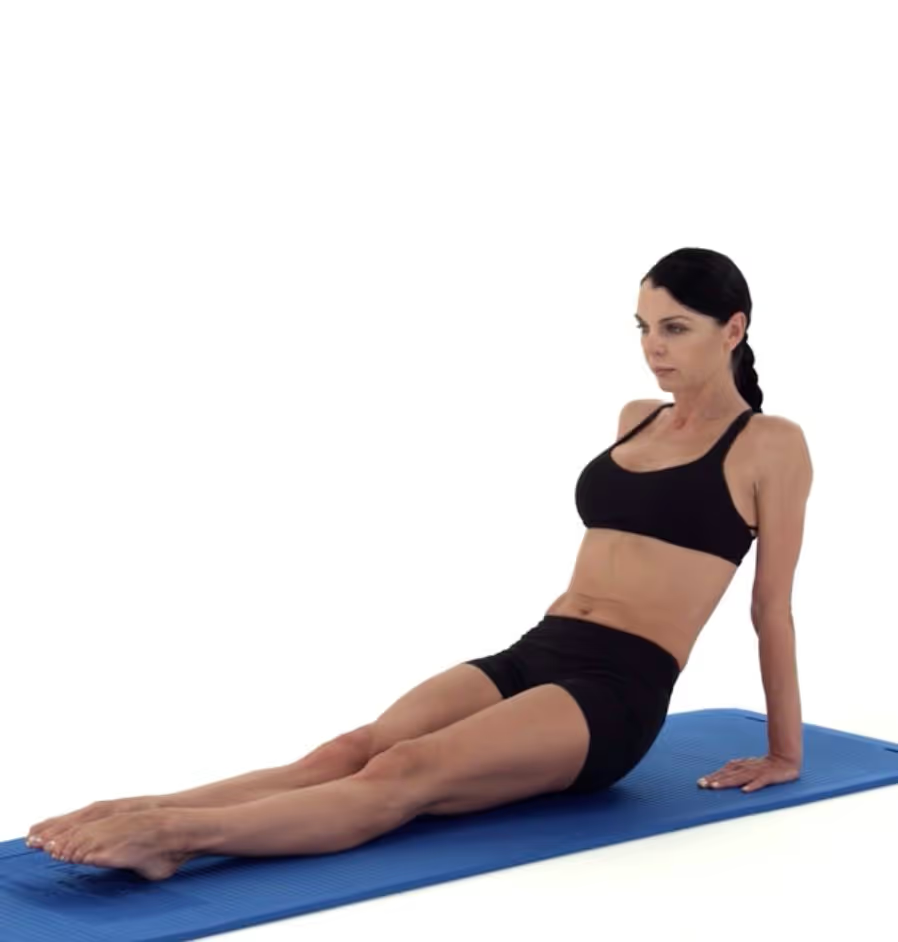
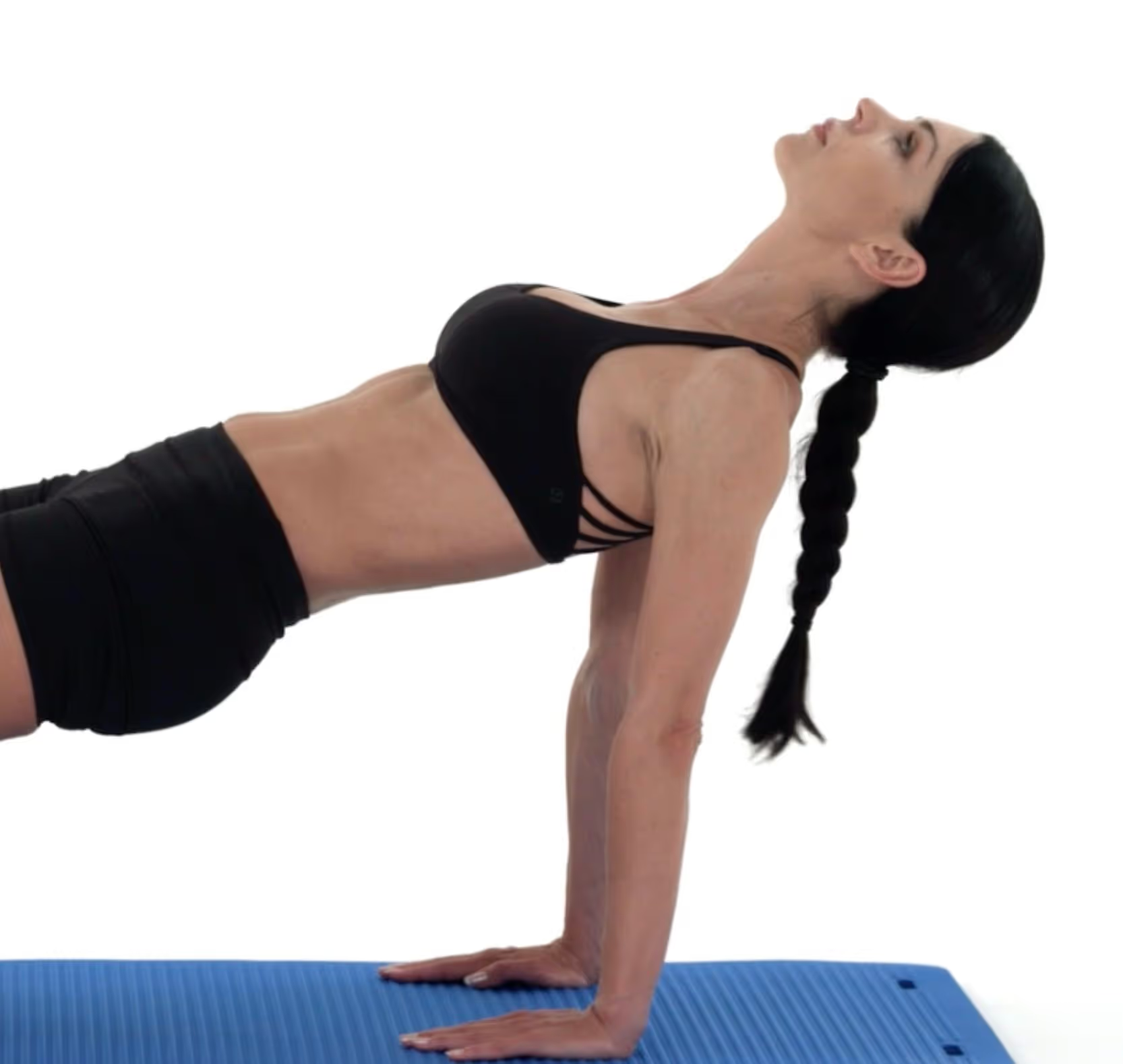

%20(1).avif)
3. About the legs pull in
- Focuses on strengthening the hips and glute muscles
- Activates the lower body through the motion of lifting and pulling
- Increases the movement range of the lower body
- Improves posture and engages the core
- Helps with balance and stability
4. List benefits of legs pull in
Here are some potential benefits of performing this exercise:
- Strengthens your legs - The leg pull in exercise helps to build muscle strength and endurance in the quads, hamstrings and gluteal muscles.
- Improves balance - Pull-ins require you to maintain your balance as you are pulling in your legs. This helps to develop and improve your overall balance and stability.
- Core engagement - As you pull in your legs, you are engaging your core muscles as well in order to stabilize your body.
- Improves flexibility - Doing leg pulls helps to lengthen and stretch the muscles in your legs, and can help to improve joint flexibility.
- Improves joint stability - The leg pull in exercise engages the muscles around your knees, hips and ankles, which helps to strengthen the joints in the area, and can help reduce the risk of injury.
5. FAQ on legs pull in


The legs pull in exercise targets the quadriceps, hamstrings, glutes, and calf muscles.
The frequency of leg pull exercises depends on your fitness goals and current level of fitness. Generally, if you are looking to build strength, you should aim to do leg pull exercises two to three times per week. If you are looking to improve endurance, you should aim to do leg pull exercises three to four times per week.
The correct form for the legs pull in exercise is to sit on the floor with your legs straight out in front of you. Place your hands behind your hips and press your palms into the floor. Engage your core and pull your legs in towards your chest, keeping your back straight. Hold for a few seconds and then slowly return to the starting position.
For the legs pull in exercise, you will need a resistance band, a chair or bench, and a mat. You can also use ankle weights to add extra resistance.
One way to make leg pull-in exercises more challenging is to increase the resistance by using a resistance band or ankle weights. You can also increase the number of reps or sets you do, or hold the position for longer periods of time. Another option is to use an exercise ball to add instability to the exercise.

