

Step-by step guide to the heel raise exercise
Maximize effectiveness: Tips for patients and practitioners
Step-by step guide to the heel raise exercise
Maximize effectiveness: Tips for patients and practitioners

1. Step-by-step video on how to do the heel raise

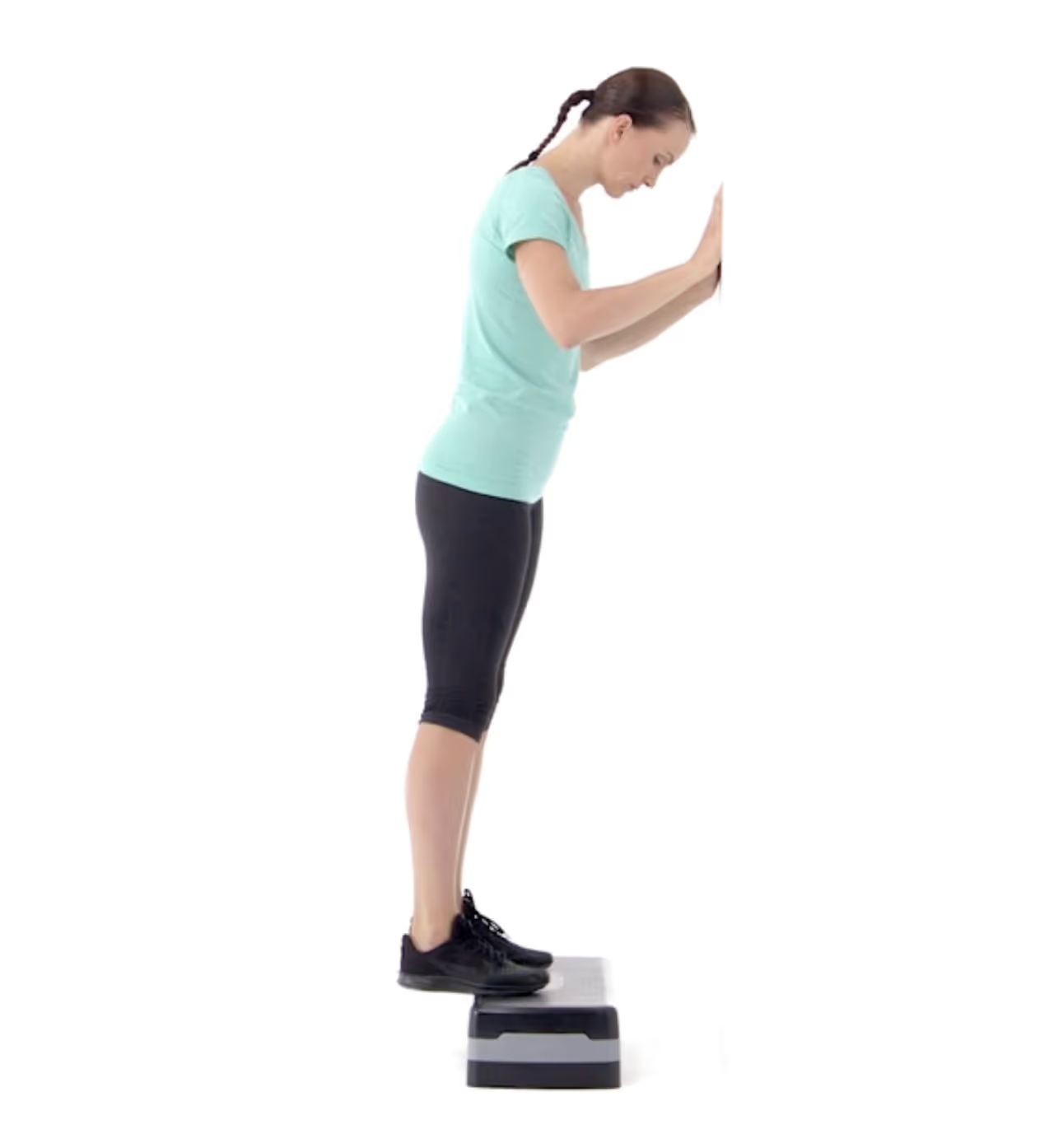
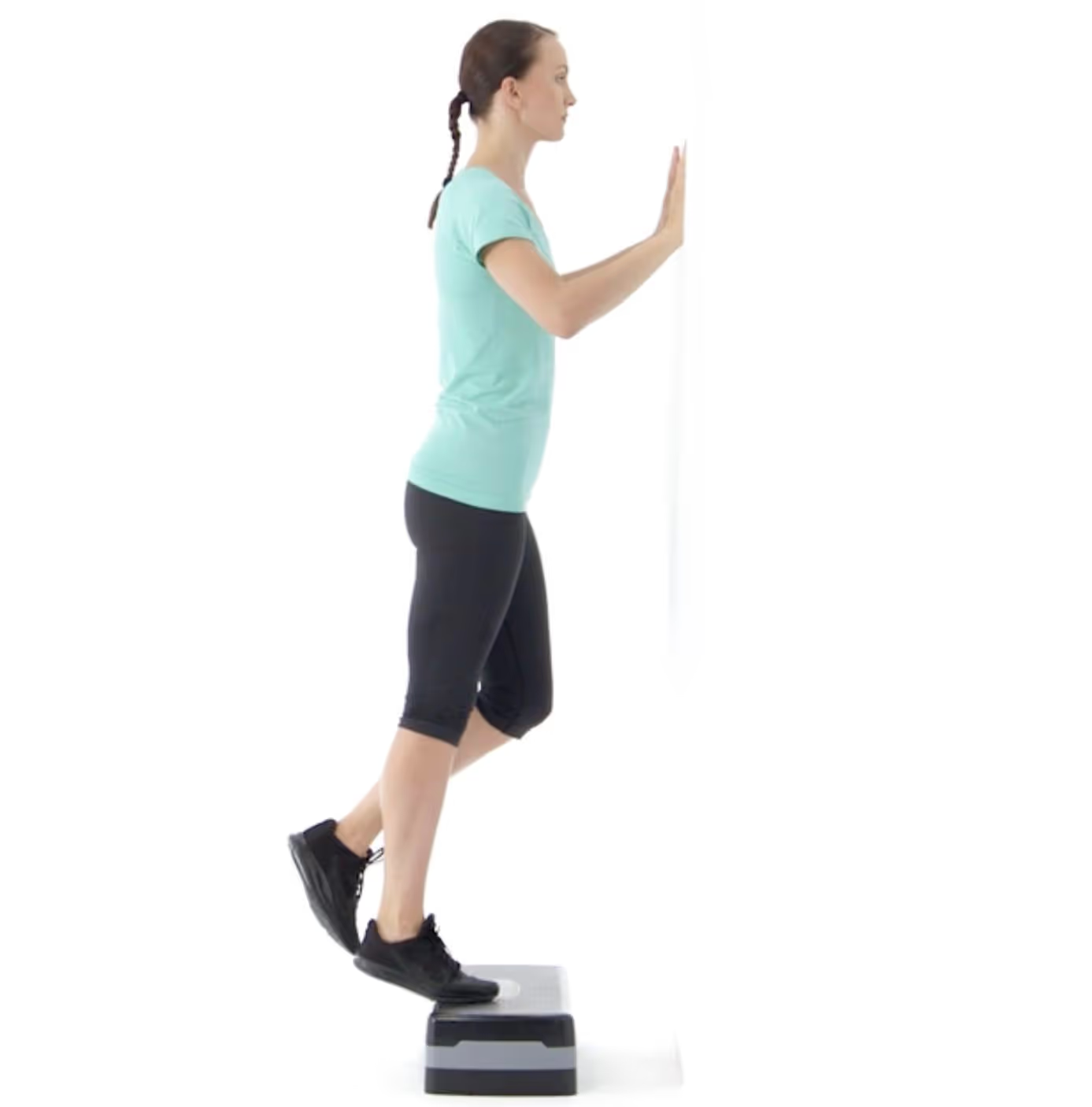
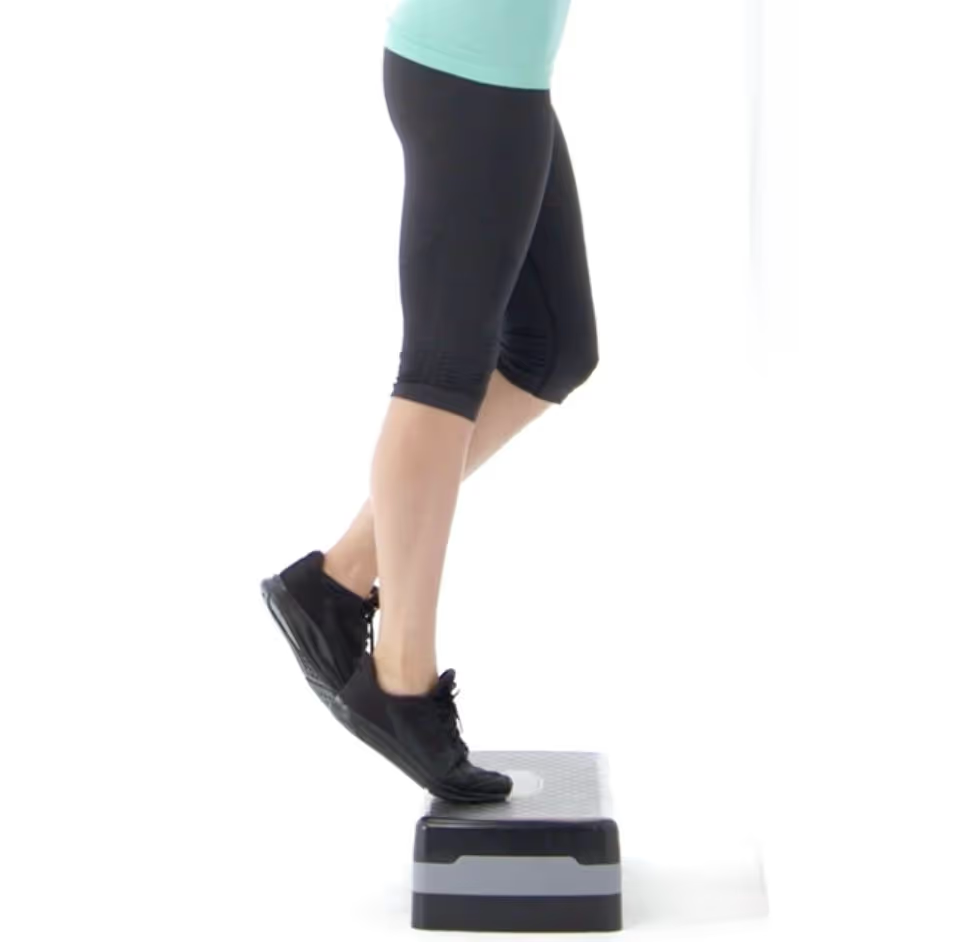
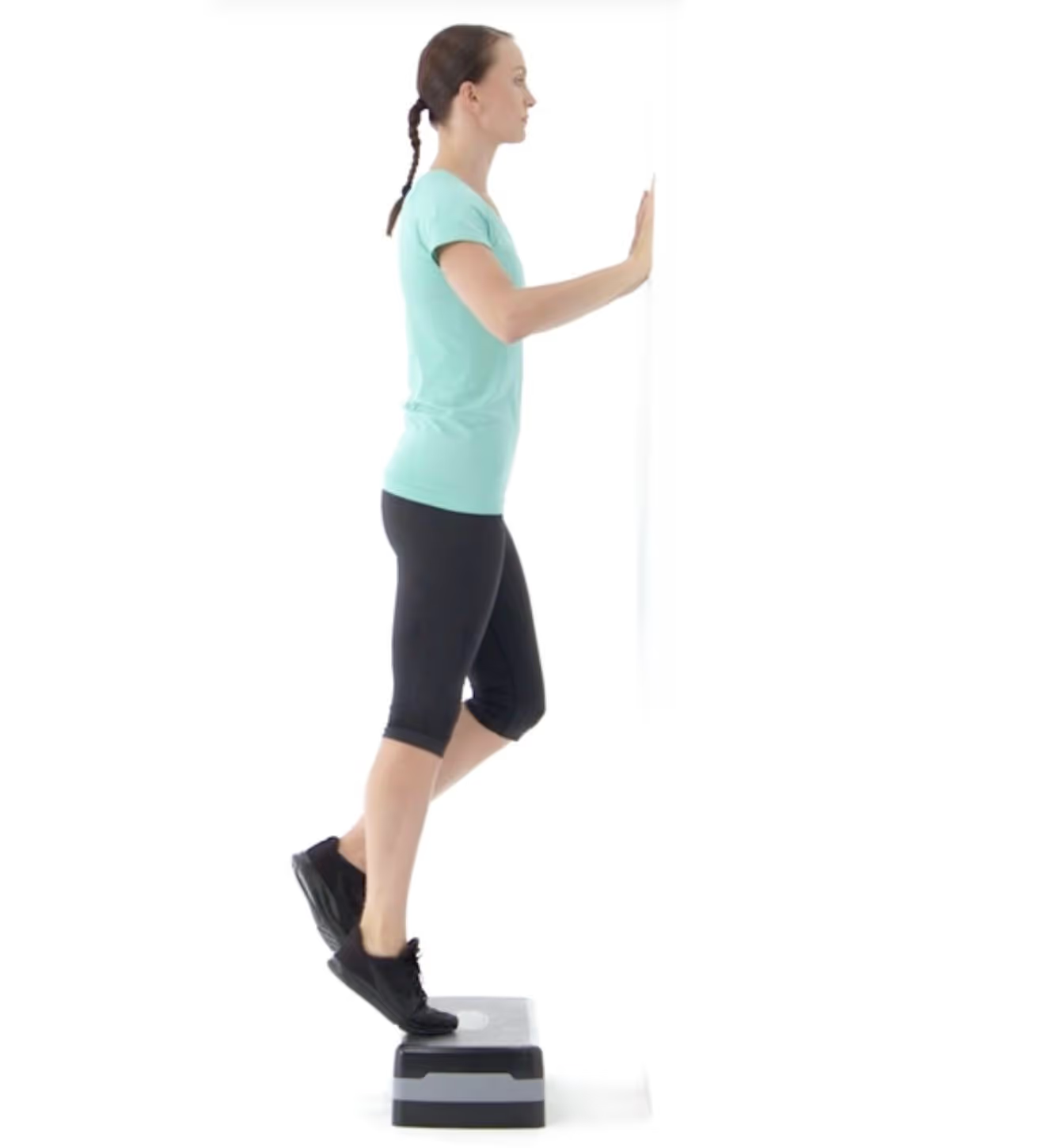
2. How to perform the heel raise? Follow these instructions:

%20(1).avif)
3. About the heel raise
- Improves ankle strength and flexibility
- Strengthens lower leg muscles and increases mobility
- Increases shock absorption capacity and can reduce risk of joint pain
- Improves posture and balance by strengthening calf muscles
- Stretches the Achilles tendon, reducing risk of inflammation and injury
4. List benefits of heel raise
Here are some potential benefits of performing this exercise:
- Improved posture
- Increased balance and stability
- Improved ankle flexibility
- Stronger ankles and feet
- Joint health and improved alignment of the lower body
5. FAQ on heel raise


A heel raise exercise targets the calf muscles, specifically the gastrocnemius and soleus muscles. It also works the muscles of the lower leg, including the tibialis anterior, peroneals, and quadriceps.
The number of repetitions you should do for a heel raise depends on your fitness level and goals. Generally, it is recommended to do between 10-15 repetitions per set. However, if you are a beginner, you may want to start with fewer repetitions and gradually increase the number as you become stronger.
The proper form for a heel raise is to stand with the feet hip-width apart, keeping the knees slightly bent. Then, raise the heels off the ground as high as possible, hold for a few seconds, and slowly lower the heels back down.
It is best to wear flat, stable shoes with good arch support for a heel raise exercise. Shoes with a hard sole and minimal cushioning are best, as they provide the most stability and support for your feet. Shoes with laces are also recommended, as they can help to keep your feet secure and prevent them from slipping.
Heel raises can be safe for people with ankle or foot injuries, depending on the severity of the injury. It is best to consult with a doctor or physical therapist to determine if heel raises are an appropriate exercise for your specific injury.

