

Step-by step guide to the fast kicks exercise
Maximize effectiveness: Tips for patients and practitioners
Step-by step guide to the fast kicks exercise
Maximize effectiveness: Tips for patients and practitioners

1. Step-by-step video on how to do the fast kicks

2. How to perform the fast kicks? Follow these instructions:
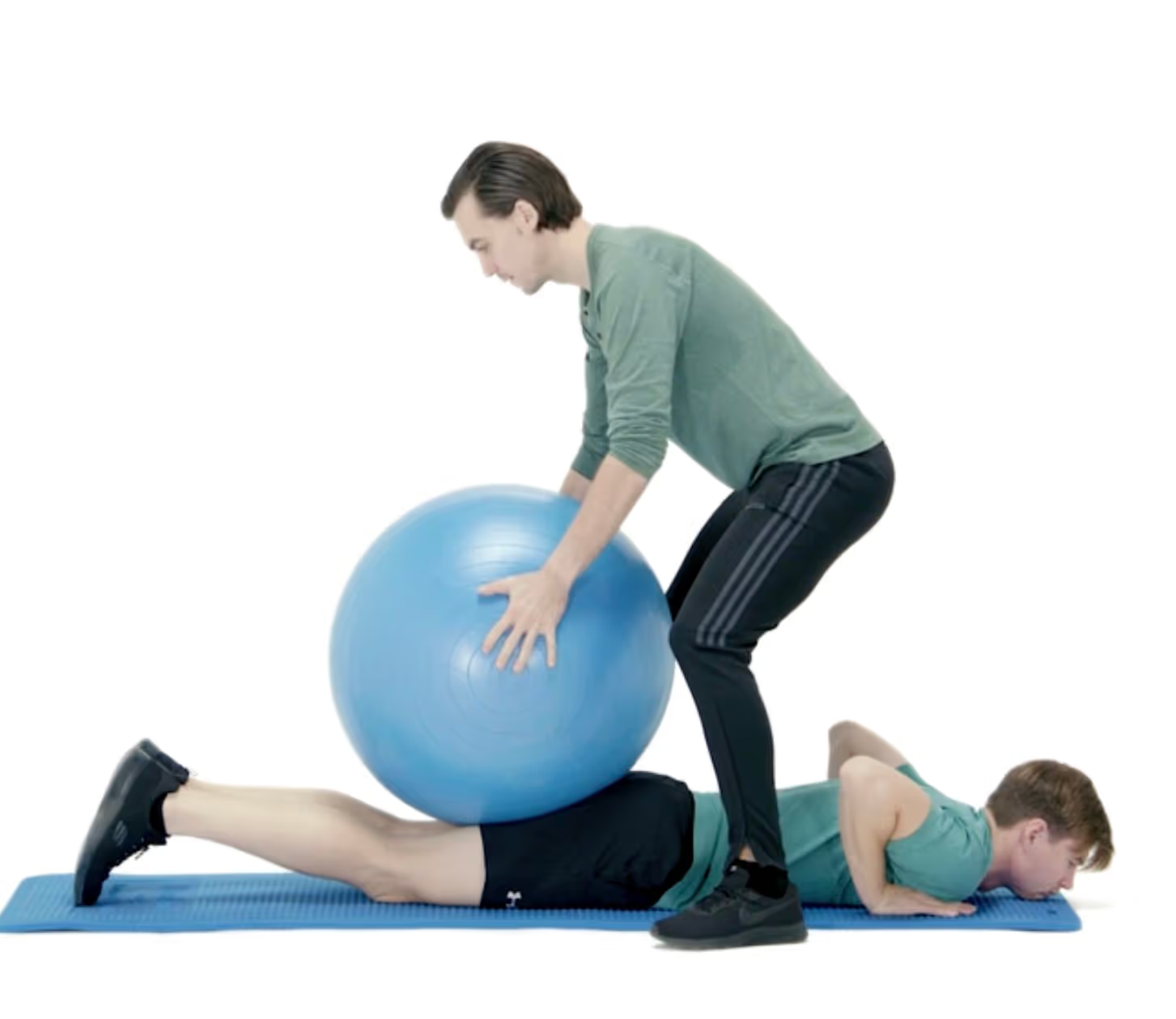
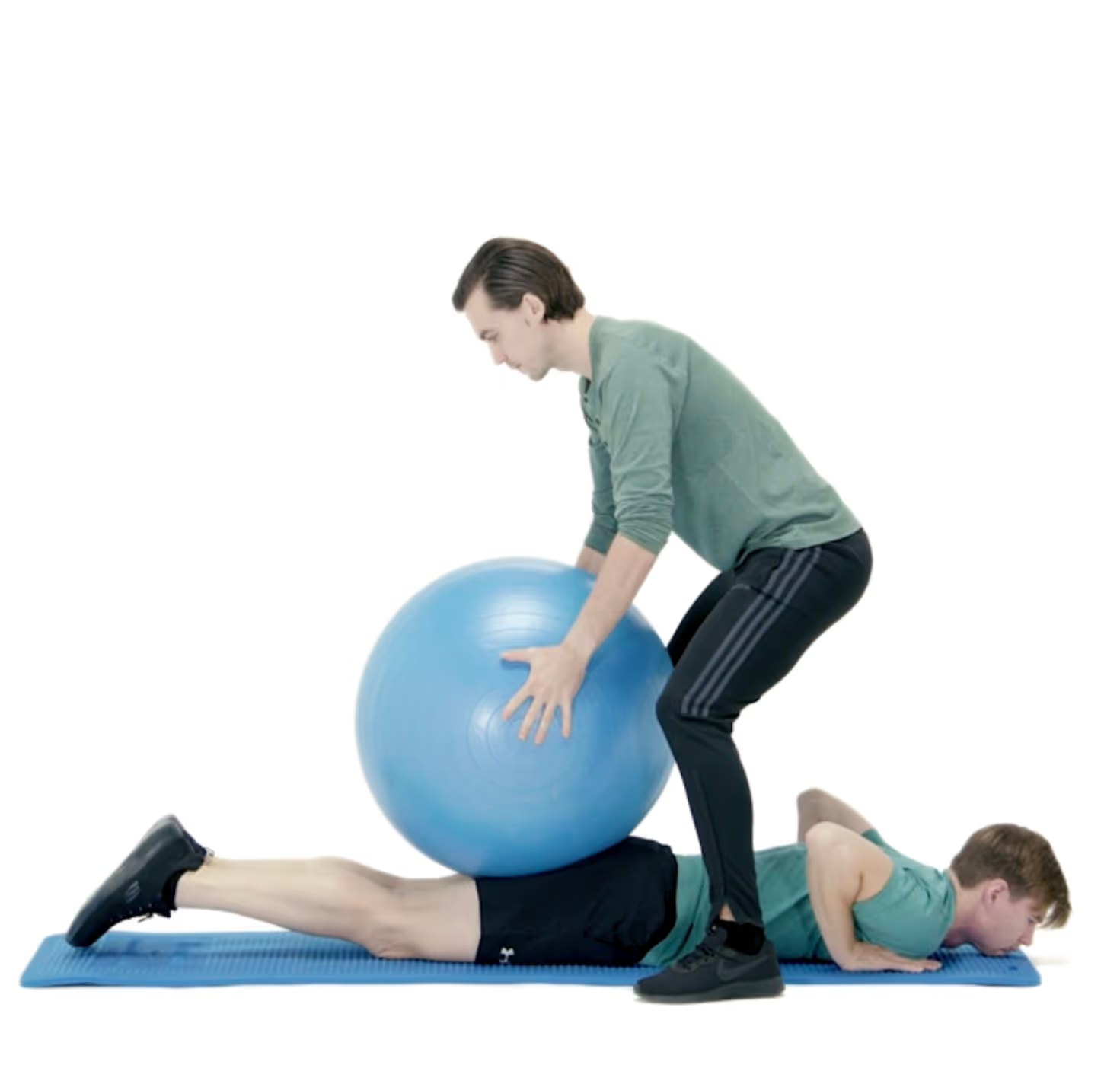
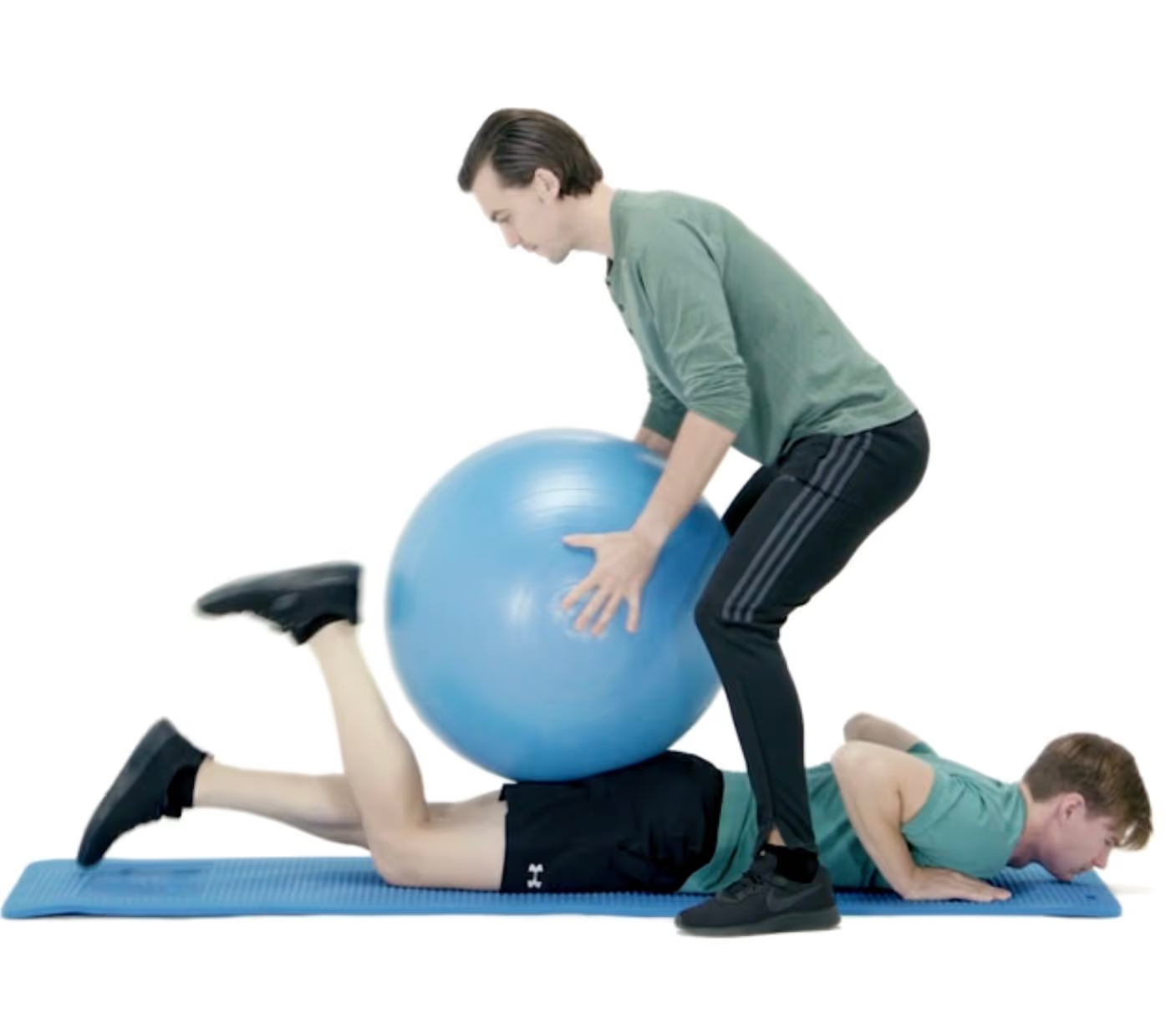
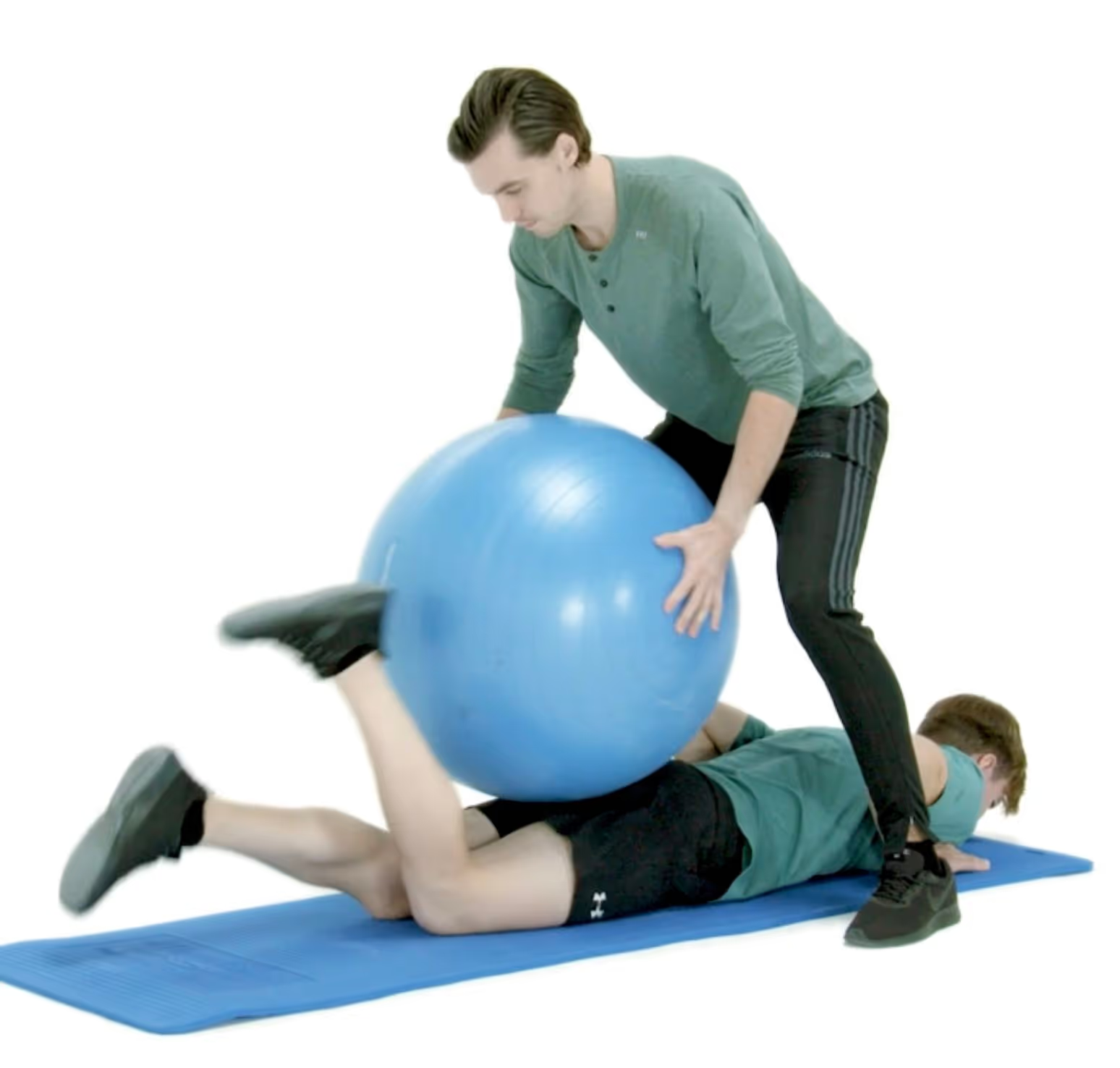

%20(1).avif)
3. About the fast kicks
- Improve your hip, core, and leg strength
- Increase your agility and flexibility
- Strengthen your balance and coordination
- Maximize your kicking power
- Burn calories and fat while building muscular endurance
4. List benefits of fast kicks
Here are some potential benefits of performing this exercise:
- Improved coordination and agility
- Increased cardiovascular endurance
- Strengthened legs and glutes
- Improved balance and flexibility
- Increased reaction time and speed
5. FAQ on fast kicks


To increase the speed of your fast kicks, focus on developing your lower body strength, power and speed. Incorporate exercises such as squats, lunges, and plyometric drills into your training routine. Additionally, practice drills such as ladder drills, jump rope drills, and agility drills to improve your footwork and coordination. Finally, practice kicking with a partner or a kicking shield to help increase your speed and accuracy.
The frequency of practicing fast kicks will depend on your goals and experience level. If you are a beginner, you may want to practice fast kicks 3-4 times a week. If you are more experienced, you may want to practice fast kicks 5-6 times a week.
The primary risk associated with fast kicks is the potential for injury. Fast kicks can cause strain and damage to the muscles, tendons, and ligaments in the leg, as well as the joints in the hip and knee. Additionally, fast kicks can cause balance issues, leading to falls and further injury.

