

Step-by-step guide to the trunk extensions
Maximize effectiveness: Tips for patients and practitioners
Step-by-step guide to the trunk extensions
Maximize effectiveness: Tips for patients and practitioners

1. Step-by-step video on how to do the trunk extensions

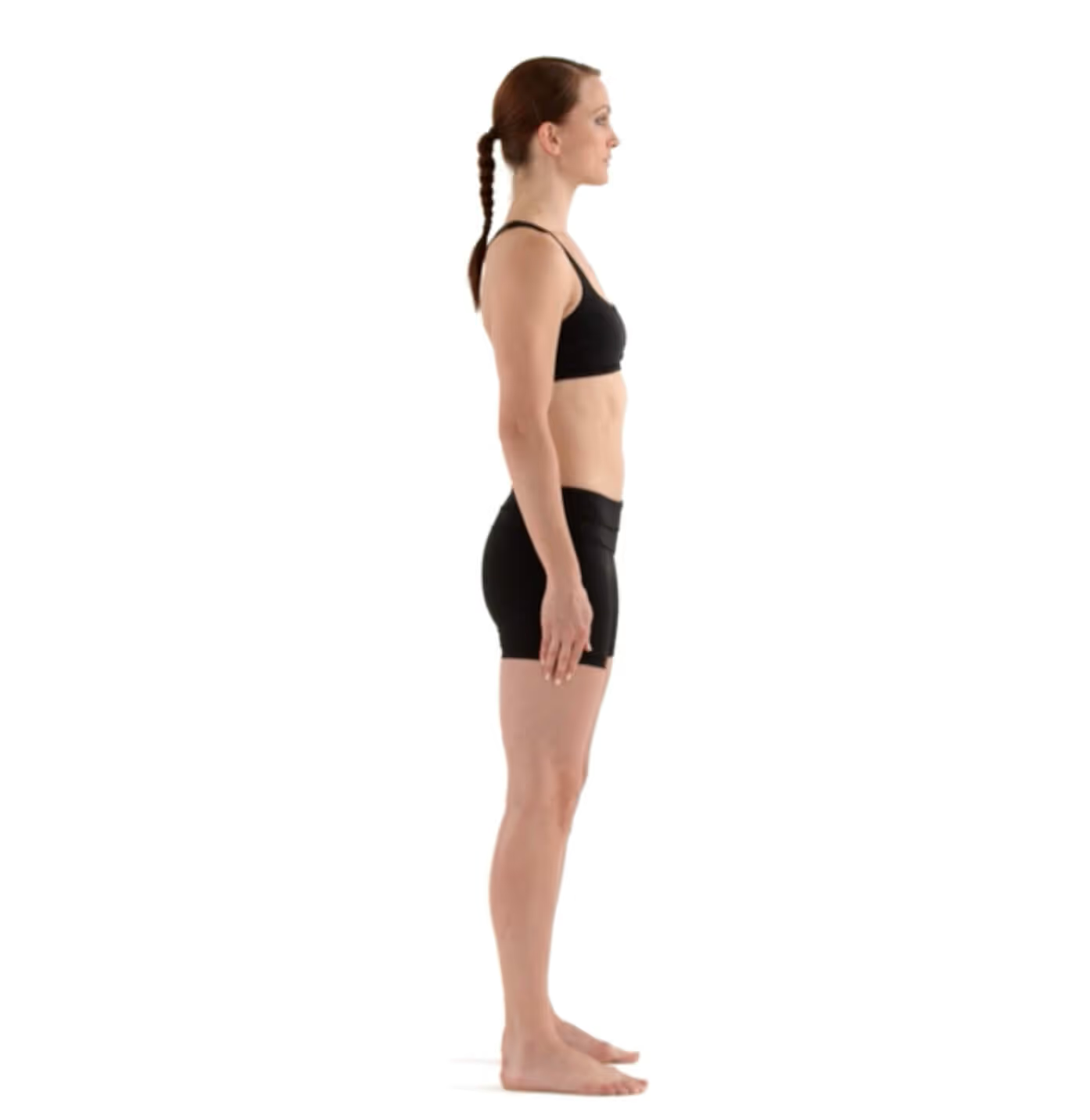
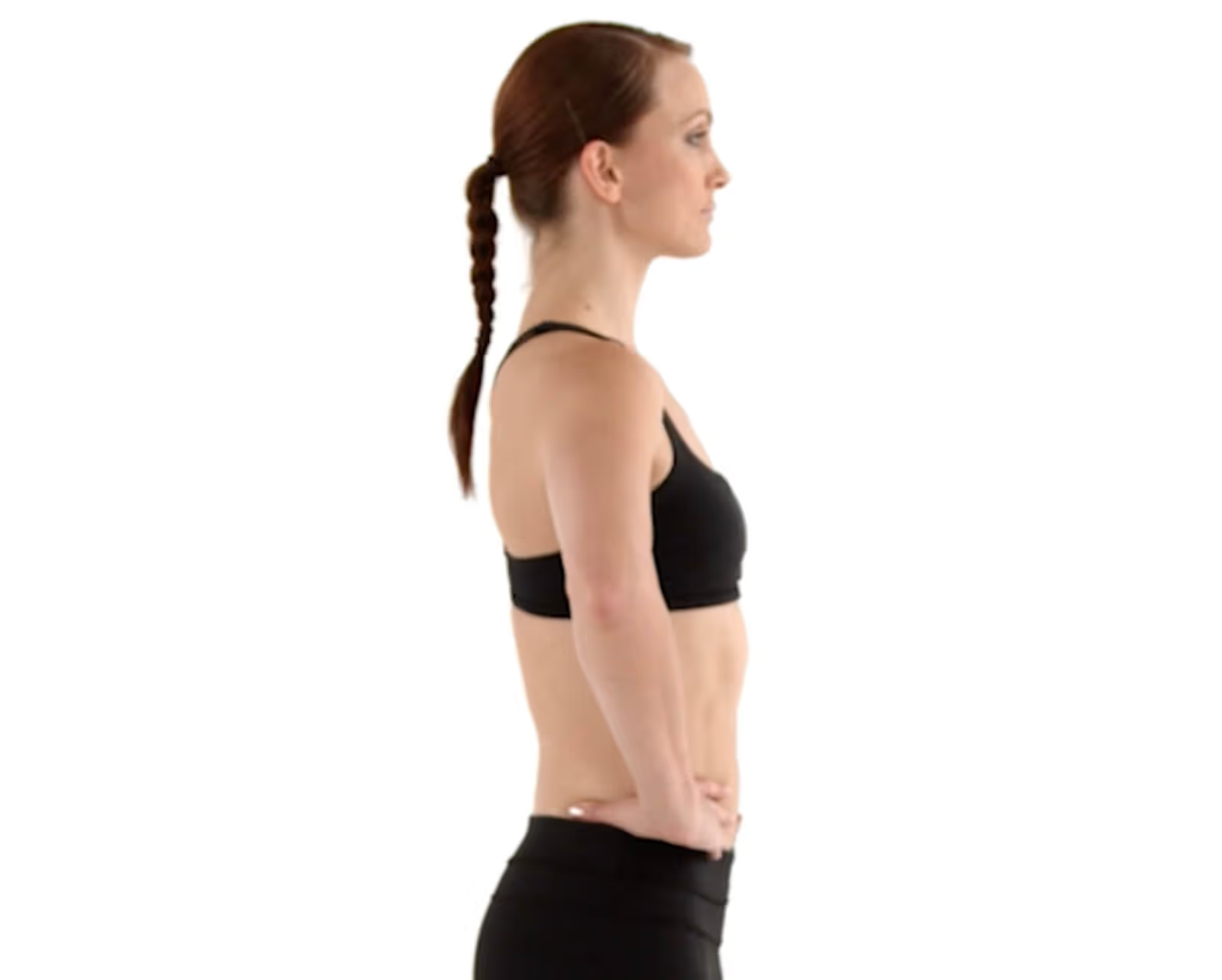
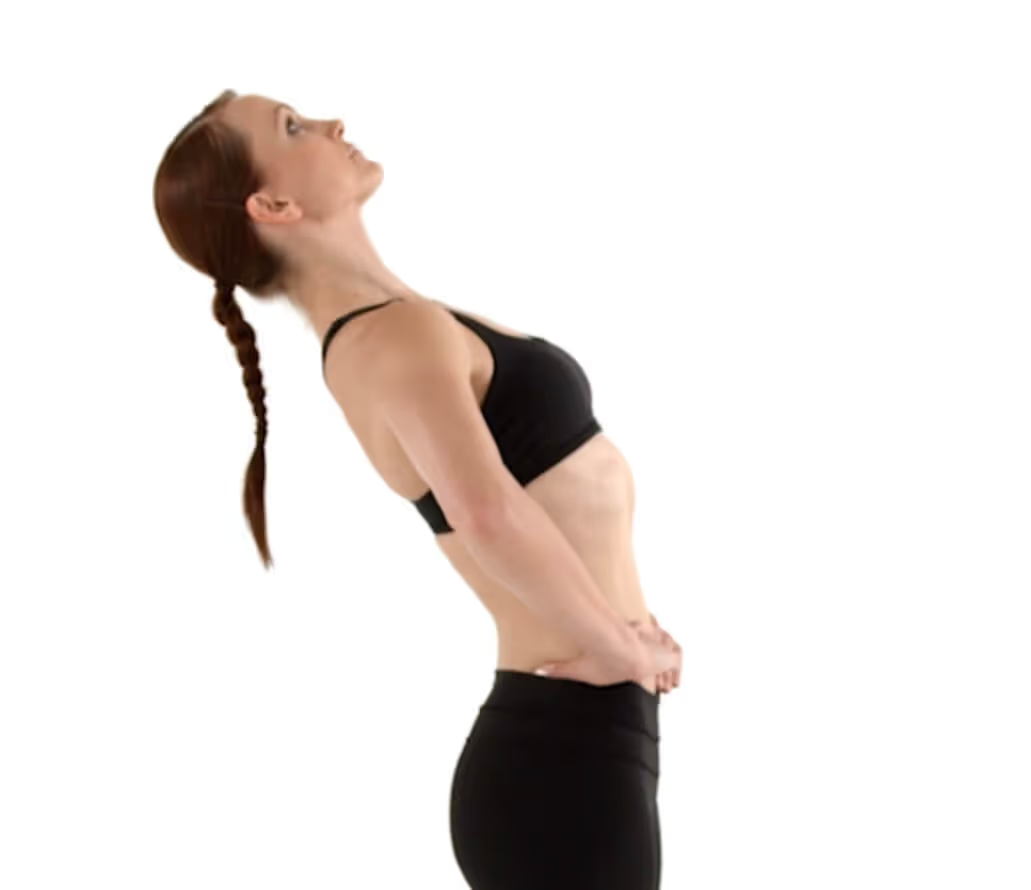
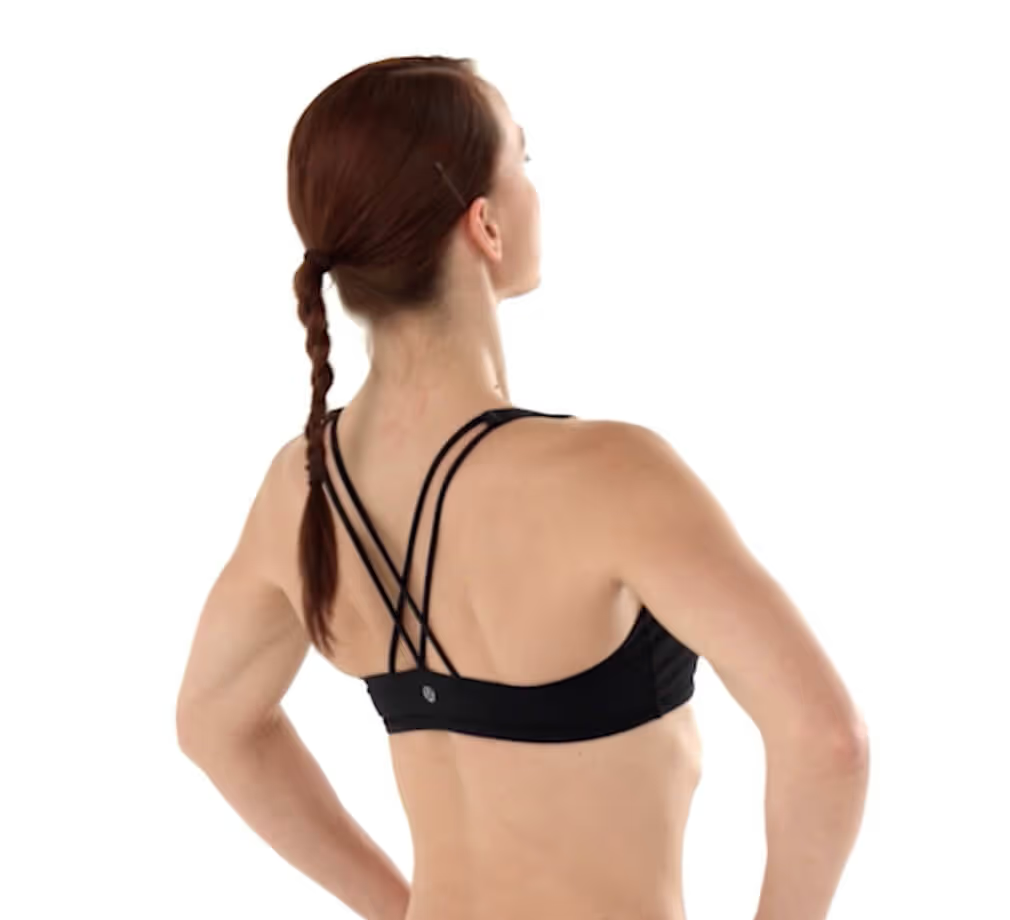
2. How to perform the trunk extensions? Follow these instructions:

%20(1).avif)
3. About the trunk extensions
- Trunk extension is a type of exercise that focuses on strengthening the muscles of the lower back, including the spinal erectors and the glutes.
- The goal is to maintain a straight line from the head to the feet, while keeping the neck and spine in a neutral position.
- Trunk extension exercises can be performed with or without weights and can be modified to increase or decrease the difficulty level.
4. Benefits of trunk extensions
Here are some potential benefits of performing this exercise:
- Improves core stability and balance
- Helps to prevent lower back pain and injuries
- Enhances athletic performance by improving stability and control during movements
5. FAQ on trunk extensions


It depends on the individual and the cause of their back pain. As with any exercise, it's important to check with a healthcare professional before starting, especially if you have a history of back pain or injury. If you have any pain or discomfort while performing the exercise, stop immediately and consult a healthcare professional.
Yes, the exercise can be modified to increase or decrease the difficulty level. For example, you can make it easier by keeping the arms and legs on the ground, or you can make it more challenging by adding weights or holding the position for a longer duration.
The frequency of the exercise will depend on your fitness level and goals. As a general rule, it's recommended to perform exercises that target specific muscle groups at least 2-3 times per week, with at least one day of rest in between to allow the muscles to recover.
The duration of the exercise will depend on your fitness level and goals. You can start with a shorter duration, such as 5-10 seconds, and gradually increase as you become more comfortable and confident with the exercise.

