

Step-by step guide to the wrist rotation exercise
Maximize effectiveness: Tips for patients and practitioners
Step-by step guide to the wrist rotation exercise
Maximize effectiveness: Tips for patients and practitioners

1. Step-by-step video on how to do the wrist rotation

2. How to perform the wrist rotation? Follow these instructions:
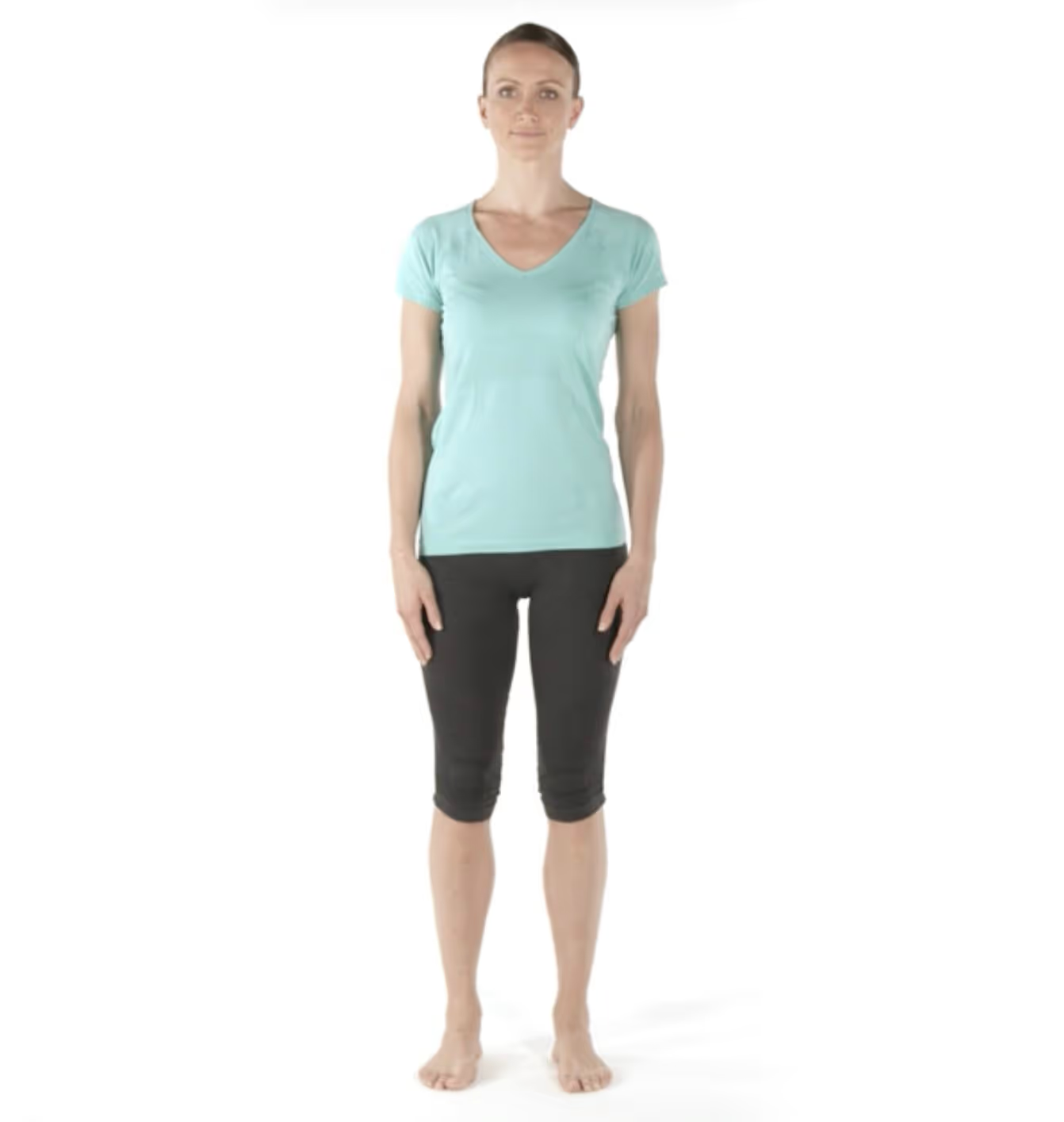
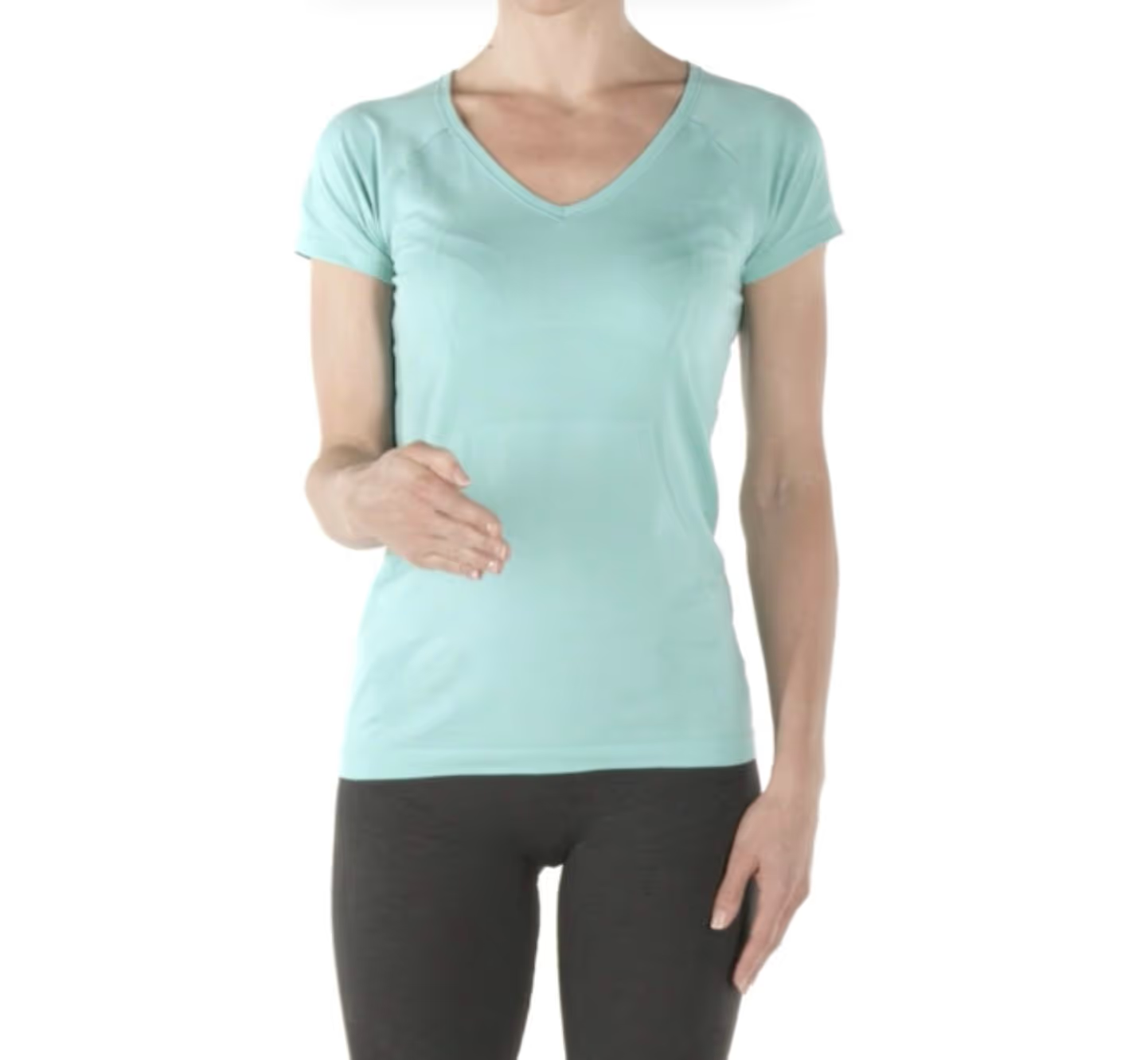
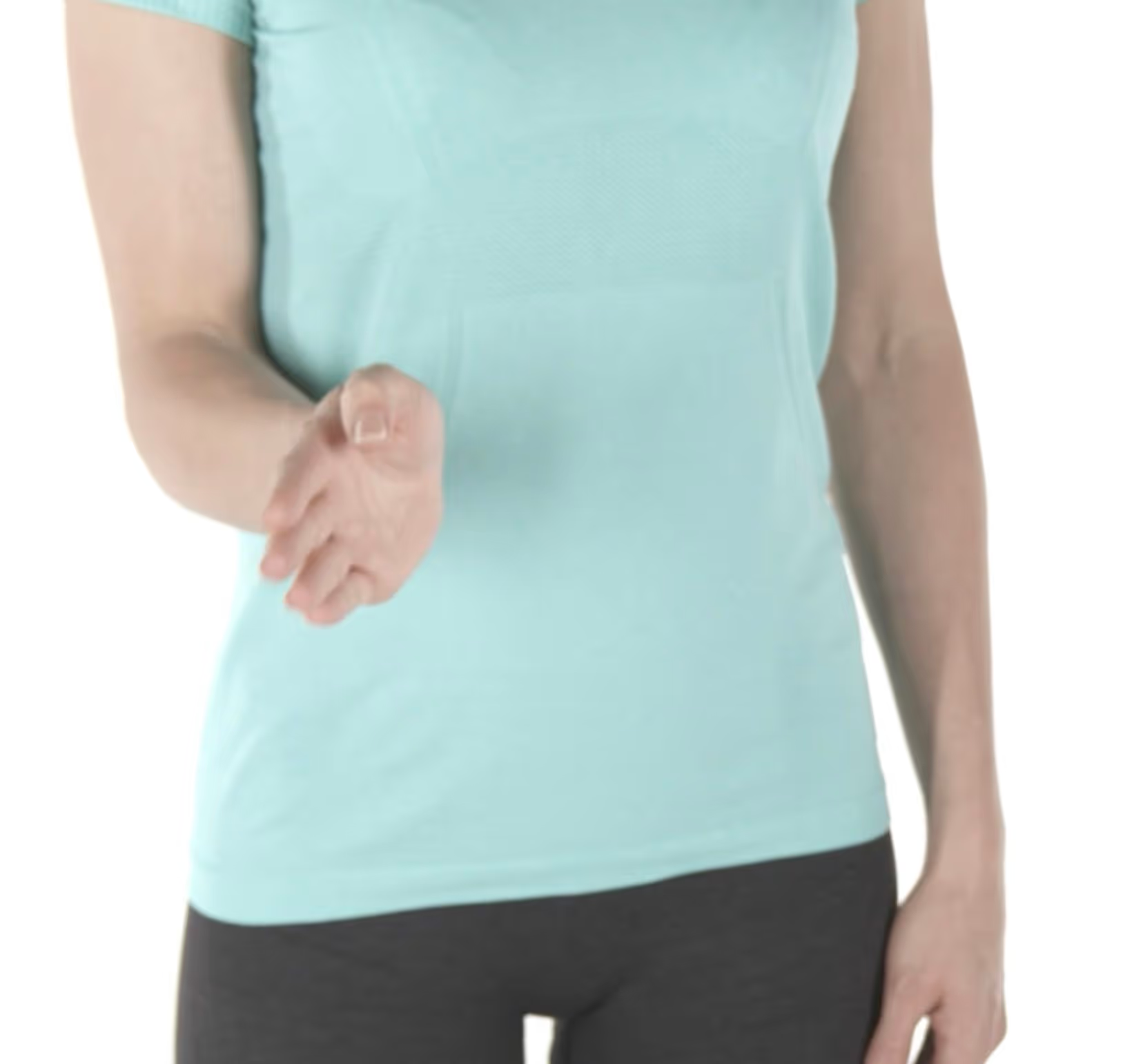

%20(1).avif)
3. About the wrist rotation
- Improves circulation and range of motion of the wrists and arms.
- Improves core strength.
- Enhances muscular endurance.
- Strengthens wrists and forearms.
4. List benefits of wrist rotation
Here are some potential benefits of performing this exercise:
- Increased mobility and range of motion in wrists.
- Improves joint and muscle health in wrists.
- Improved coordination and balance in wrists.
- Strengthen and tone surrounding wrist muscles.
- Enhances overall performance of other body movements and activities.
5. FAQ on wrist rotation


It is recommended to do wrist rotation exercises at least 3 times a week. However, you should consult with your doctor or physical therapist to determine the best frequency for you.
When performing wrist rotation exercises, the muscles targeted are the forearm muscles, including the flexors and extensors of the wrist. Additionally, the muscles of the upper arm, such as the biceps and triceps, may also be targeted.
The potential risks associated with wrist rotation exercises include: -Strains and sprains: Over-rotating your wrists can cause strains and sprains in the muscles and ligaments of your wrists and forearms. -Tendonitis: Repetitive wrist rotation exercises can lead to tendonitis, which is an inflammation of the tendons. -Carpal Tunnel Syndrome: Overuse of the wrist can lead to carpal tunnel syndrome, which is a condition that causes pain, numbness, and tingling in the hands and wrists. -Arthritis: Excessive wrist rotation can also lead to arthritis, which is a condition that causes inflammation and pain in the joints.
For wrist rotation exercises, you will need a resistance band or a light weight (1-3 lbs). You may also want to use a chair or wall for stability.

