

Step-by step guide to the pericardium meridian exercise
Maximize effectiveness: Tips for patients and practitioners
Step-by step guide to the pericardium meridian exercise
Maximize effectiveness: Tips for patients and practitioners

1. Step-by-step video on how to do the pericardium meridian

2. How to perform the pericardium meridian? Follow these instructions:

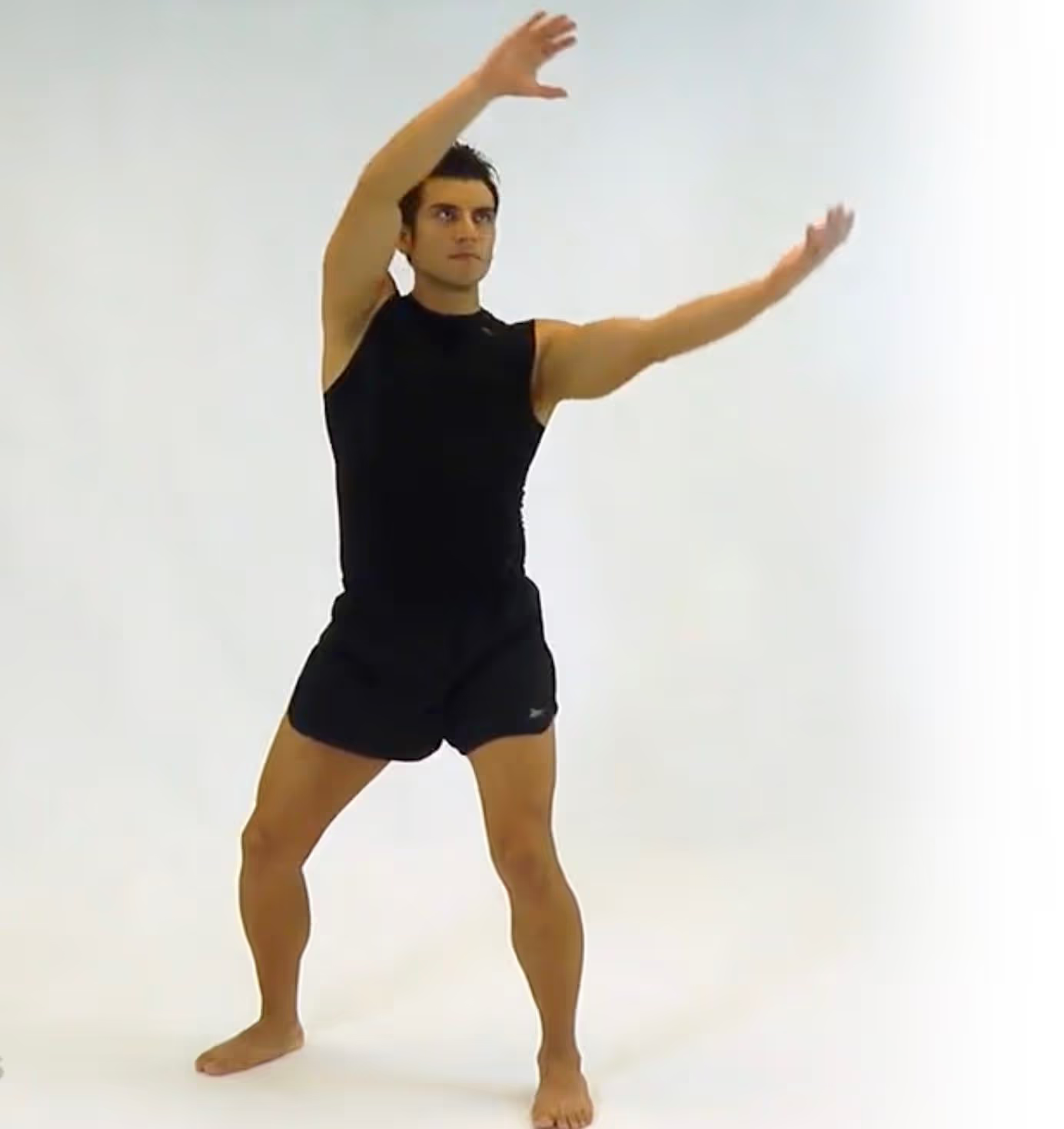


%20(1).avif)
3. About the pericardium meridian
- Regulates the Heart and Pericardium Meridians of Chinese medicine
- Enhances digestion, supports the cardiovascular system, and boosts circulation
- Uses low impact dynamic exercises to strengthen the back and legs and improve posture
- With regular practice, builds physical and mental resilience while promoting better sleep
4. List benefits of pericardium meridian
Here are some potential benefits of performing this exercise:
- Strengthens the immune system - Pericardium meridian clearing can increase the functioning of the immune system.
- Helps to release emotional stress - Working with the meridian helps people to release built up energetic tensions, thereby reducing the impact of stress on their lives.
- Improves cardiovascular health - Releasing energy blockages in pericardium energy points can help increase the overall health of the cardiovascular system.
- Supports healthy sleep habits - Stimulating the pericardium meridian can help improve quality of sleep by reducing tension in the body and mind.
- Enhances the qi flow - Pericardium meridian stimulation improves the healthy flow of qi (energy) throughout the body to promote vitality and healing.
5. FAQ on pericardium meridian


The Pericardium Meridian is one of the twelve main meridians in traditional Chinese medicine. It is a yin meridian associated with the element of Fire, and is responsible for the circulation of qi and blood throughout the body. It is also associated with the Heart and Small Intestine organs. The Pericardium Meridian runs from the chest to the wrist and is said to be the protector of the Heart.
The pericardium meridian is believed to have many benefits, including reducing stress, improving circulation, and promoting relaxation. Practicing the pericardium meridian can also help to reduce headaches, improve digestion, and reduce fatigue. Additionally, it is believed to help with emotional balance and mental clarity.
It is recommended that you practice the pericardium meridian at least once a week. However, it is best to practice it as often as possible, as this will help you to become more familiar with the meridian and its points.
The symptoms that indicate an imbalance in the pericardium meridian include chest pain, palpitations, shortness of breath, fatigue, insomnia, depression, anxiety, and poor concentration. Other symptoms may include chest tightness, dizziness, and difficulty breathing.

