

Step-by step guide to the jumping step ups exercise
Maximize effectiveness: Tips for patients and practitioners
Step-by step guide to the jumping step ups exercise
Maximize effectiveness: Tips for patients and practitioners

1. Step-by-step video on how to do the jumping step ups

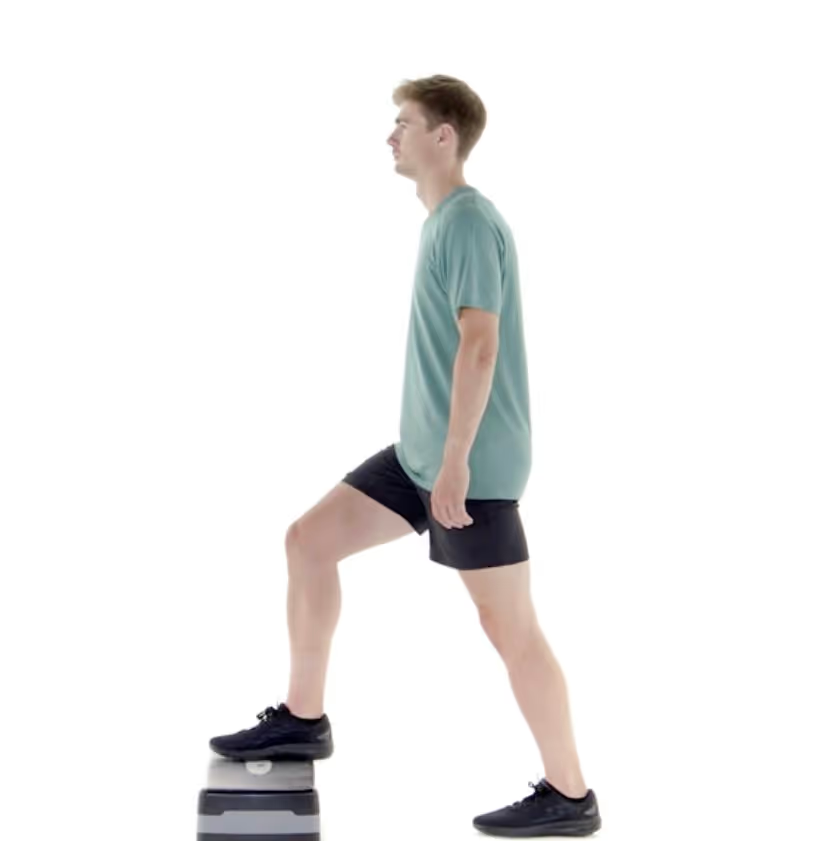
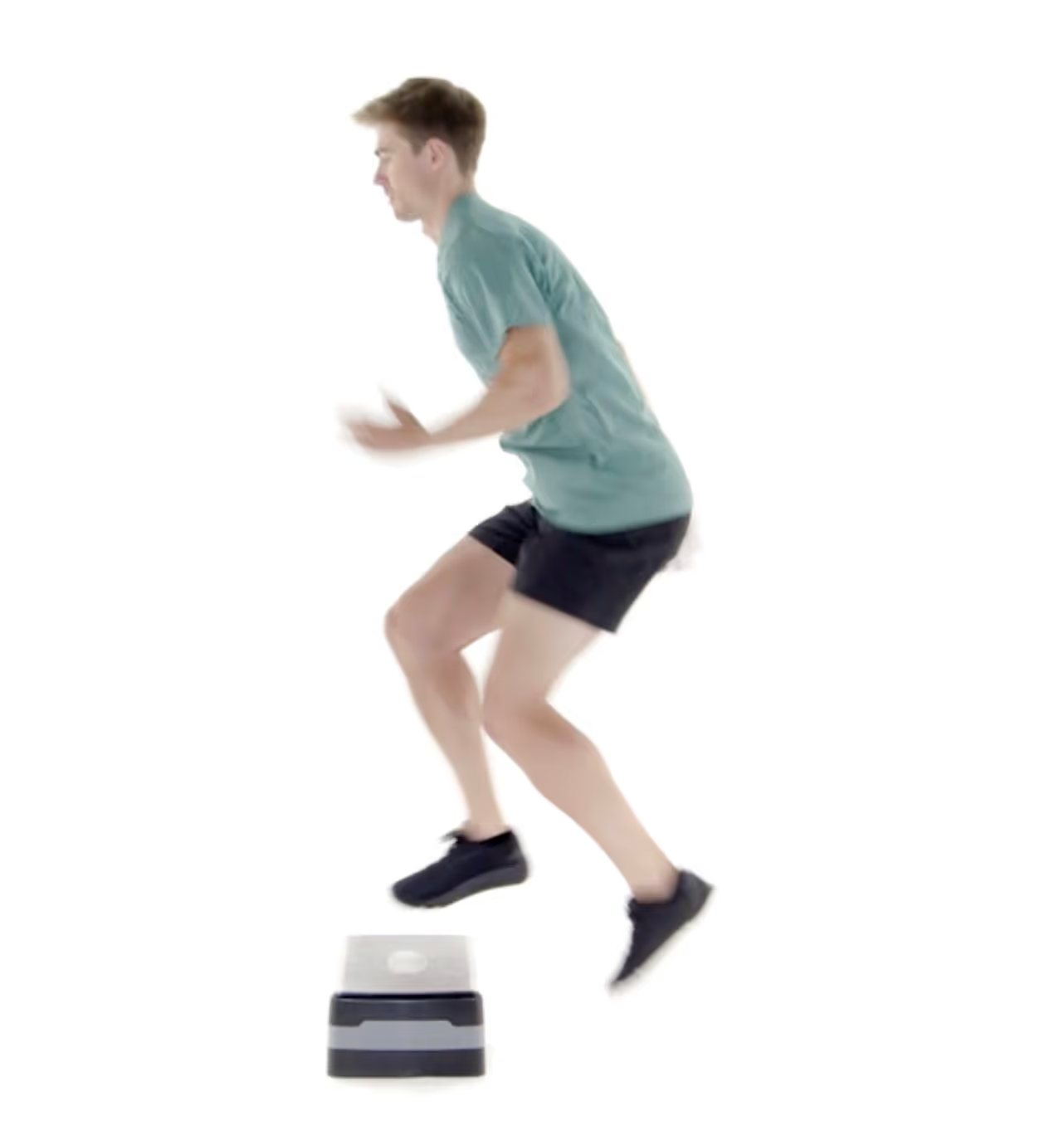
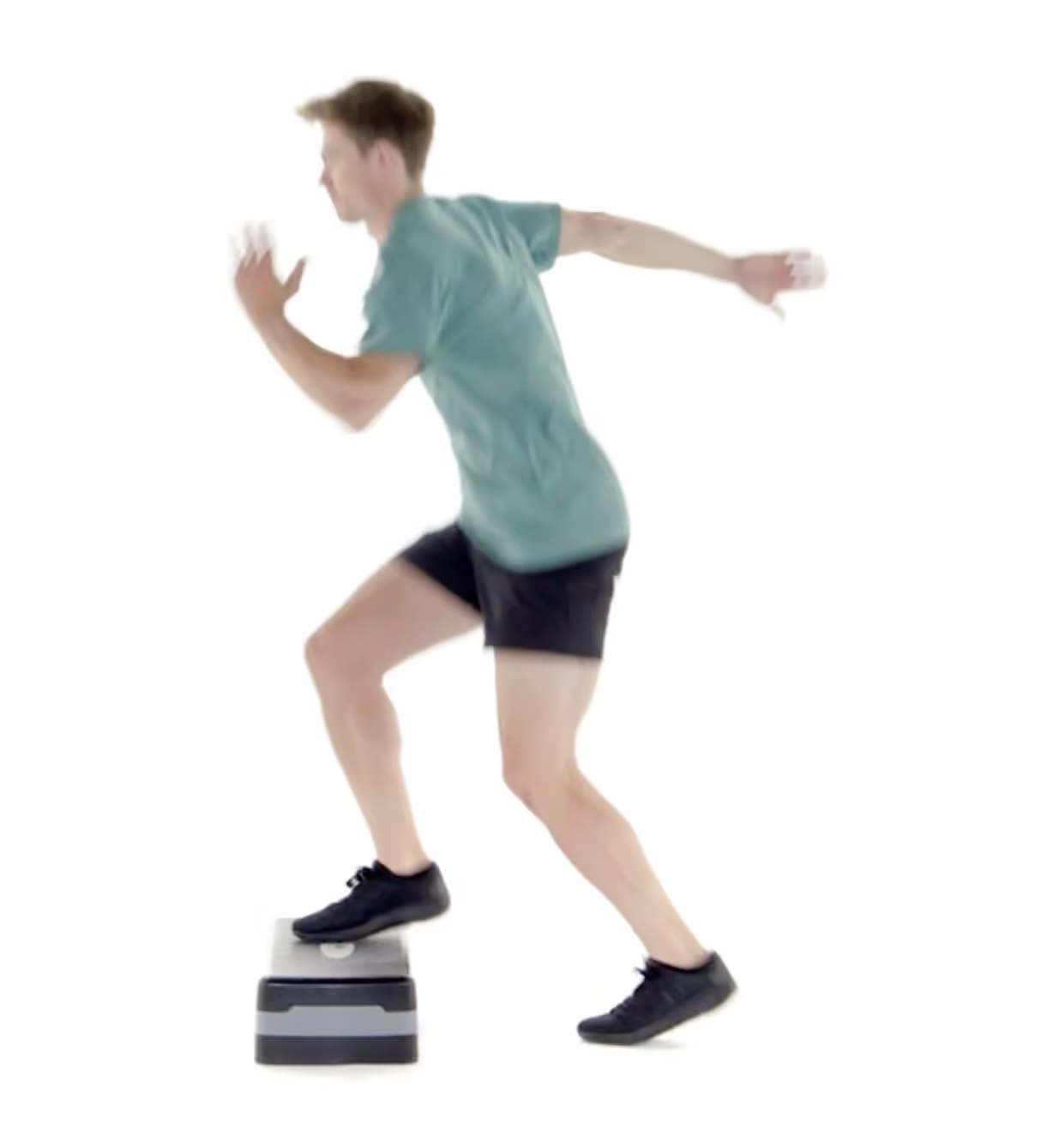
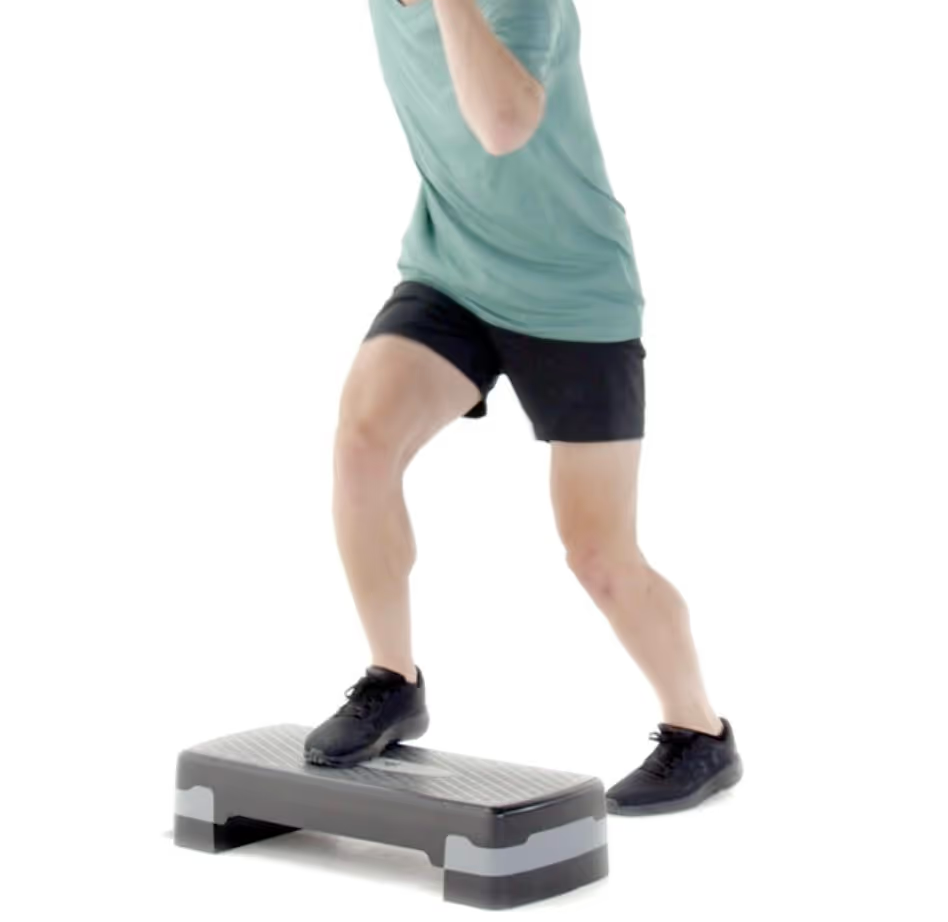
2. How to perform the jumping step ups? Follow these instructions:

%20(1).avif)
3. About the jumping step ups
- Improves balance and coordination
- Targets lower body muscles
- Can be modified for varying levels of difficulty
- Modify the height of the step for more intensity
- Can be done with bodyweight or light weights for difficulty
4. List benefits of jumping step ups
Here are some potential benefits of performing this exercise:
- Improved Balance & Coordination: Incorporating jumping step ups into your workout helps to improve coordination, balance, and agility. This can also reduce your risk of injury.
- Strengthens Muscles: Jumping step ups work to strengthen the legs, glutes, and even your core. Working target muscles without the same level of impact as running makes it a great alternative for cross-training.
- Increases Cardiovascular Fitness: When done regularly, jumping step ups raises the heart rate and increases cardiovascular fitness.
- Burns More Calories: Moving the body quickly against gravity is the key to burning more calories and fat. With jumping step ups, the body works hard, exerting energy with every move, leading to more calories burned.
- Improves Power: Jumping step ups require explosive bursts of energy and are a great way to increase power and speed. When regularly practiced, power and speed can be seen at a much quicker rate.
5. FAQ on jumping step ups


The answer to this question depends on your fitness level and goals. Generally speaking, it is recommended to do at least 10-15 jumping step ups per day to get the most benefit. If you are a beginner, you can start with fewer step ups and gradually increase the number as you become more comfortable with the exercise.
Jumping step ups target the quadriceps, glutes, hamstrings, and calves. They also engage the core muscles, as well as the stabilizer muscles in the feet and ankles.
The correct form for jumping step ups is to stand with feet hip-width apart, facing the step. Place one foot firmly on the step, then drive through the heel of the foot on the step to jump up and switch feet in the air. Land softly on the step with the opposite foot, then drive through the heel of that foot to jump up and switch feet in the air. Repeat the movement, alternating feet.
To make jumping step ups more challenging, you can increase the height of the step, add weight to your body (such as wearing a weighted vest or holding dumbbells), or increase the speed of the movement. You can also add a plyometric element to the exercise by jumping higher and landing in a squat position.
When doing jumping step ups, it is important to take safety precautions to avoid injury. Make sure to warm up your muscles before beginning the exercise, and be aware of your form. Wear supportive shoes and land with both feet on the step before jumping. Control your movements and keep your core engaged throughout the exercise. If you feel any pain or discomfort, stop and consult a doctor.

