

Step-by step guide to the high kneeling exercise
Maximize effectiveness: Tips for patients and practitioners
Step-by step guide to the high kneeling exercise
Maximize effectiveness: Tips for patients and practitioners

1. Step-by-step video on how to do the high kneeling

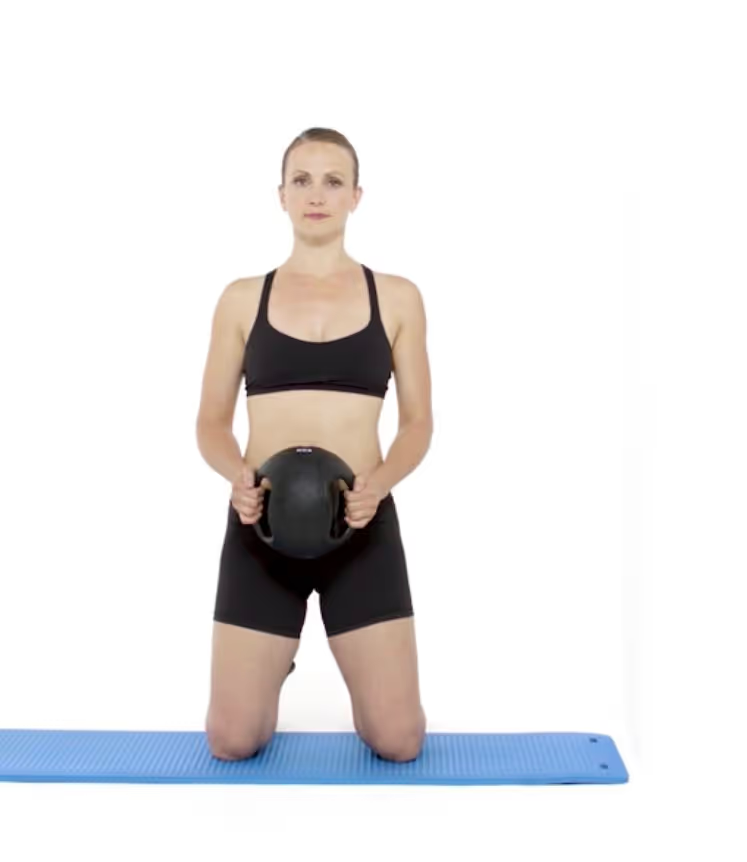
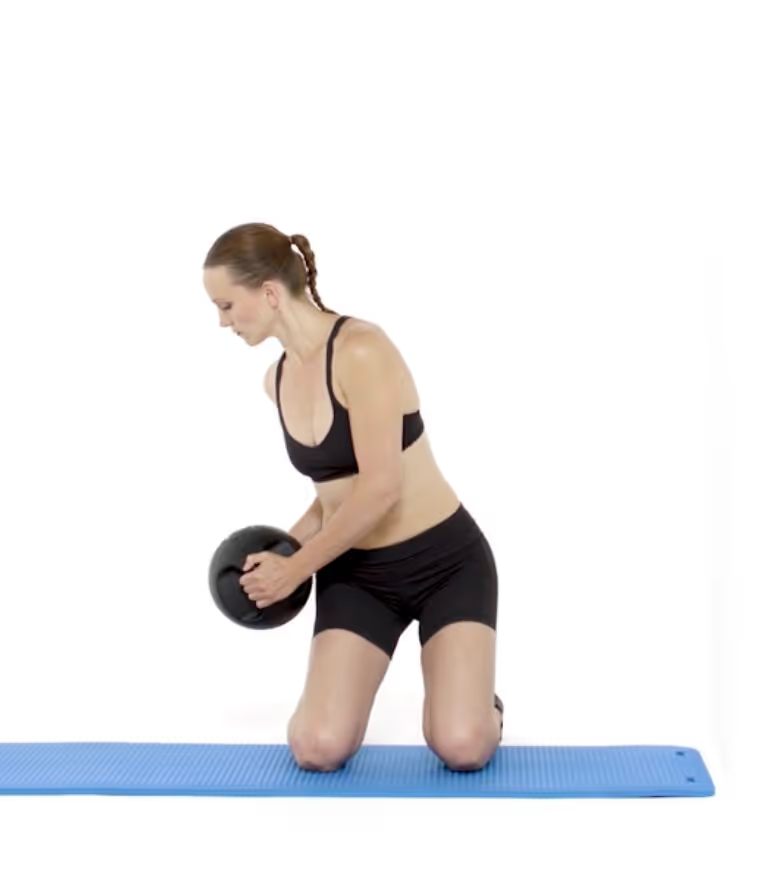
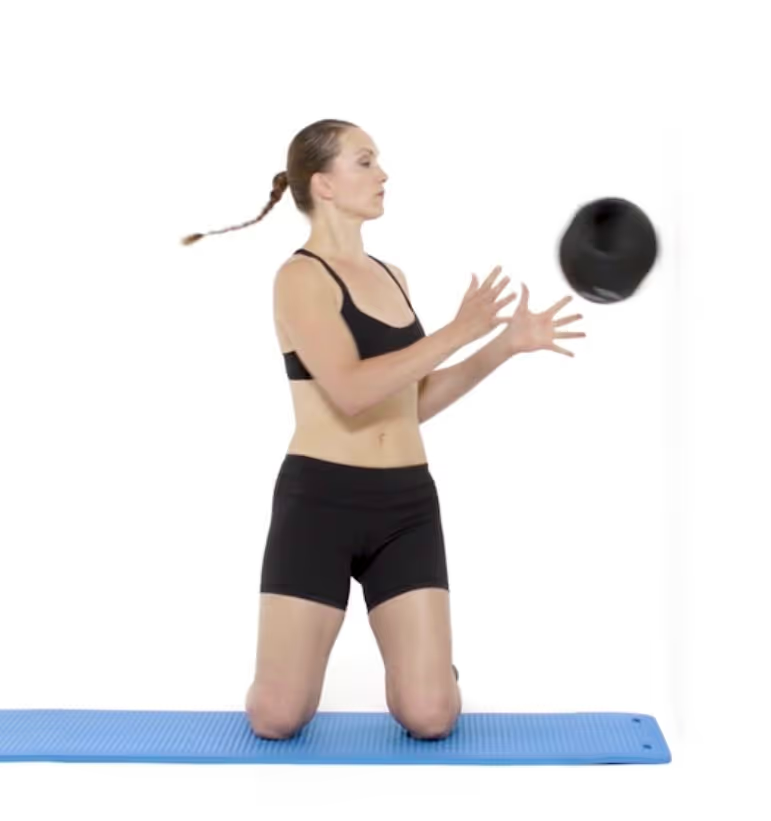
2. How to perform the high kneeling? Follow these instructions:


%20(1).avif)
3. About the high kneeling
- High kneeling hip extension is a useful exercise that helps strengthen the glutes, hamstrings, and cores.
- It is often used as part of a warm-up to help with hip mobility and as an activation exercise prior to more dynamic movements.
- Proper form and execution of the exercise is important to ensure you get the maximum benefit.
- As the hip is the primary mover, be sure to keep it in a neutral position throughout the exercise.
4. List benefits of high kneeling
Here are some potential benefits of performing this exercise:
- Improved balance and proprioception
- Increased core stability
- Enhanced hip mechanics
- Improved posture
- Reduced risk of injury
5. FAQ on high kneeling


High kneeling hip abduction primarily targets the gluteus medius and gluteus minimus muscles. Additionally, it can also work the tensor fasciae latae, sartorius, and rectus femoris muscles.
The benefits of doing high kneeling hip abduction include strengthening the gluteal muscles, improving hip stability, and improving balance and coordination. It can also help reduce the risk of hip and lower back injuries. Additionally, it can help improve posture and flexibility in the hips and lower back.
High kneeling hip abduction exercises should be done 2-3 times a week, with at least one day of rest in between each session. It is important to listen to your body and not overdo the exercises. If you experience any pain or discomfort, stop the exercise and consult your doctor or physical therapist.

