

Step-by step guide to the eagle arms exercise
Maximize effectiveness: Tips for patients and practitioners
Step-by step guide to the eagle arms exercise
Maximize effectiveness: Tips for patients and practitioners

1. Step-by-step video on how to do the eagle arms

2. How to perform the eagle arms? Follow these instructions:
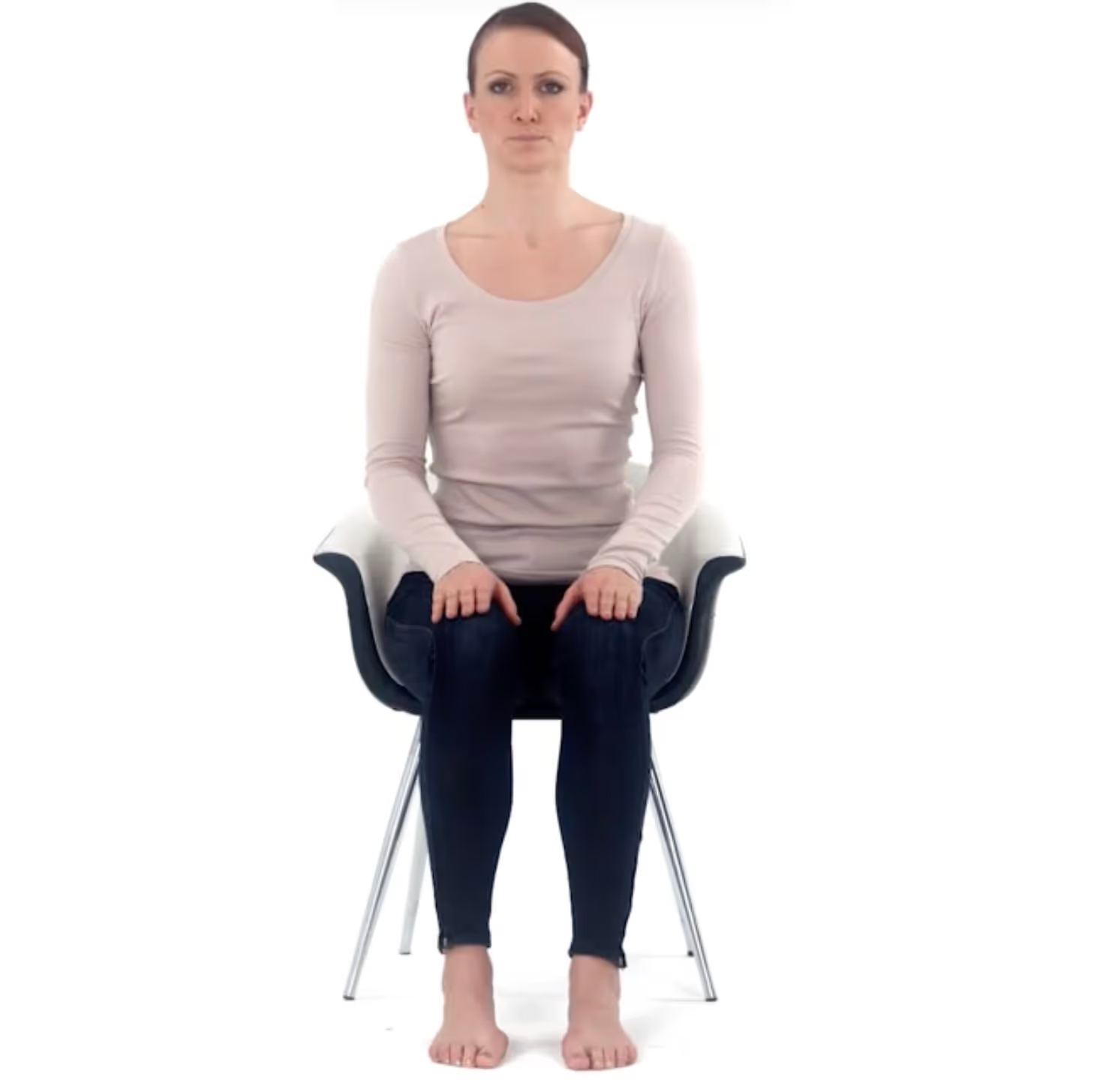
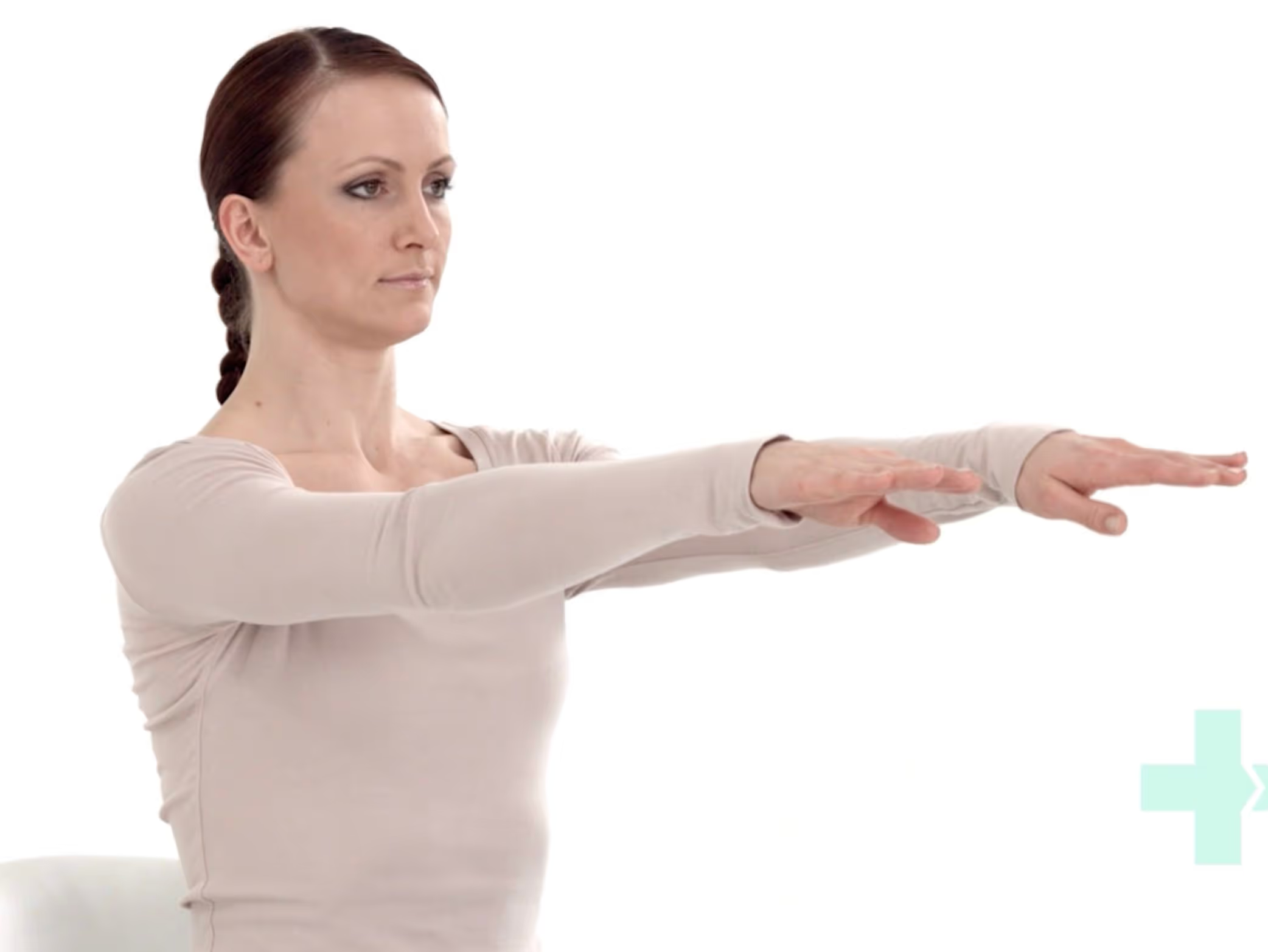
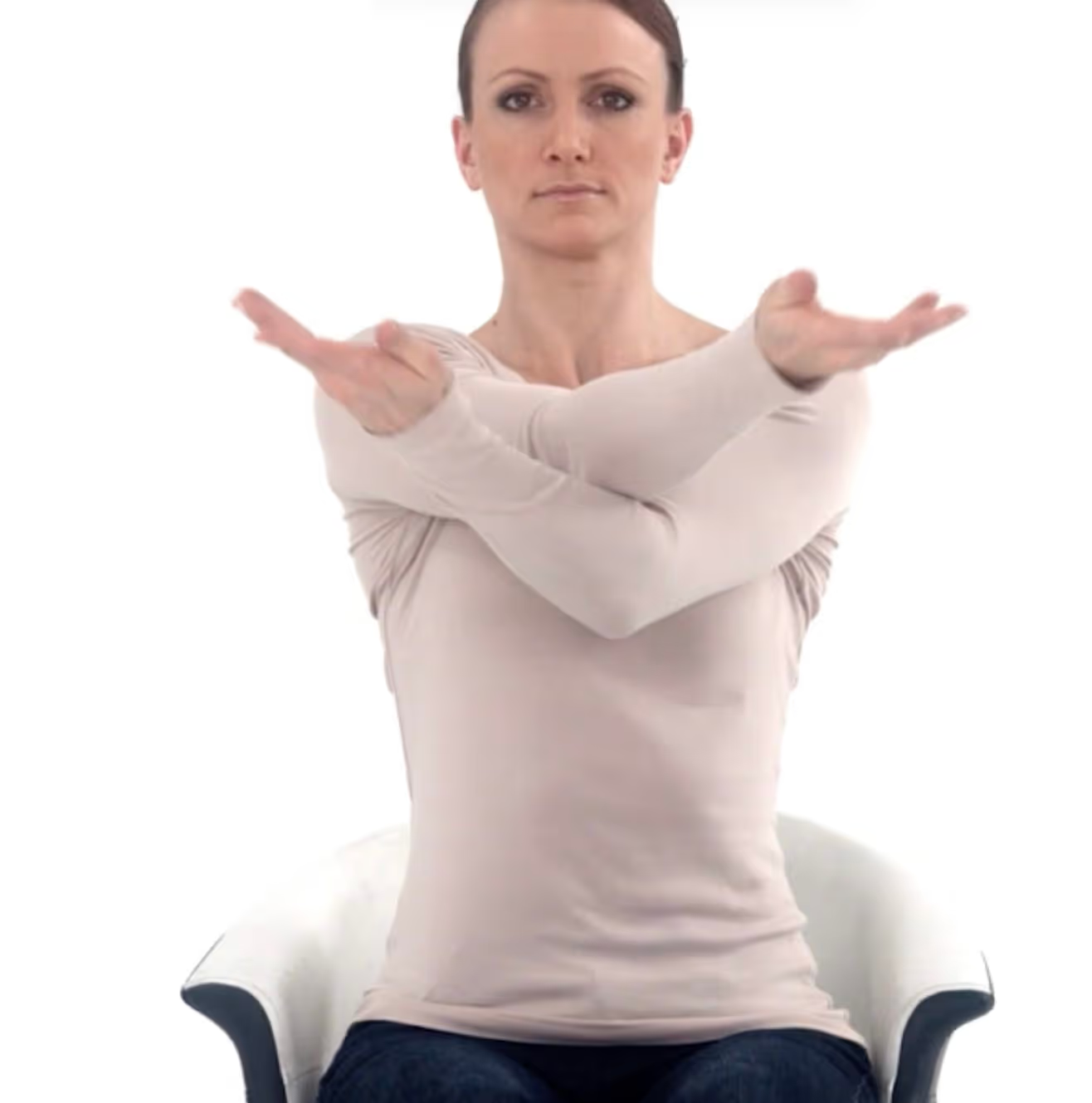
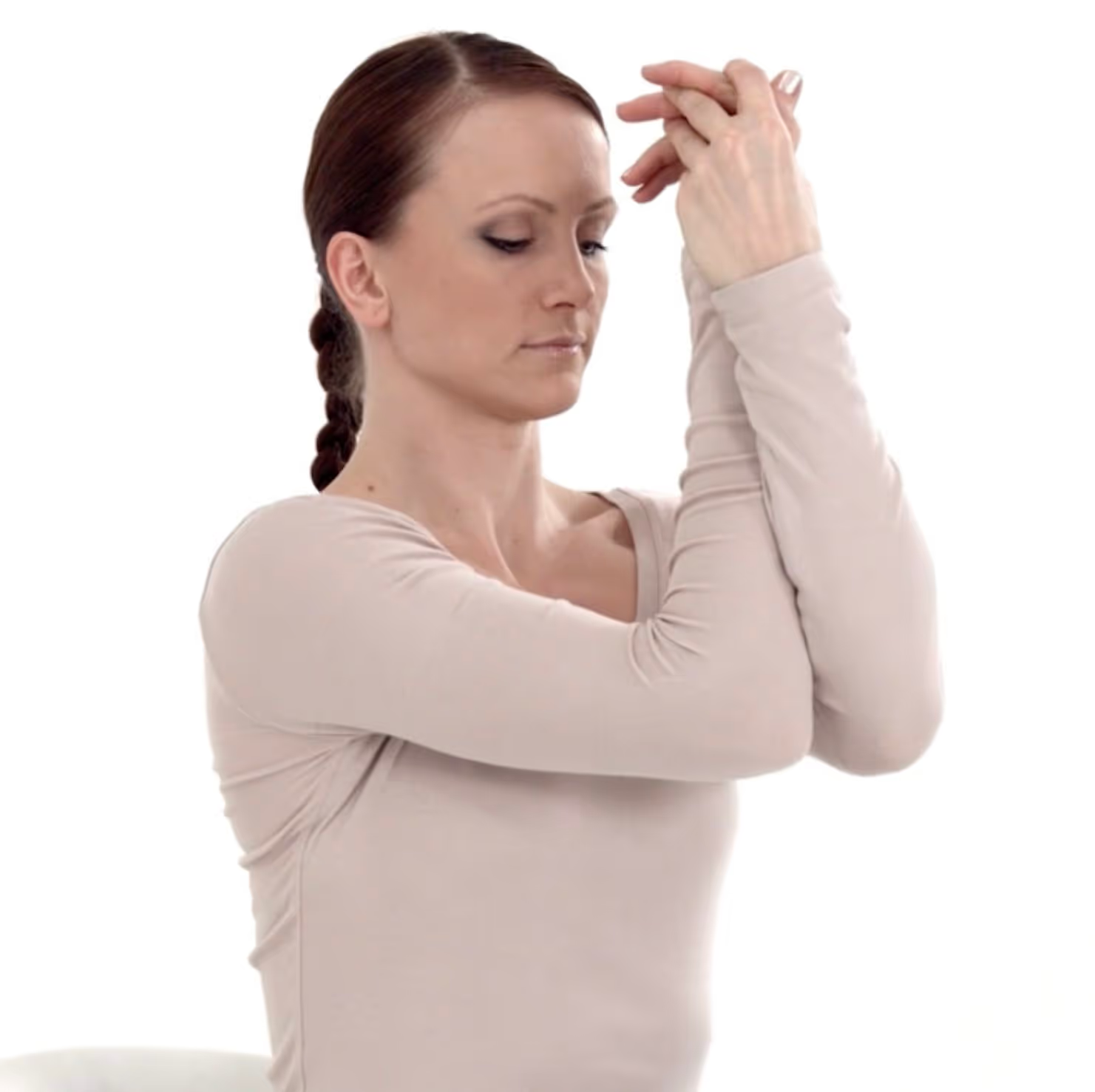

%20(1).avif)
3. About the eagle arms
- Improves shoulder stability and posture by strengthening the muscles of the shoulders
- Targets the muscles of the rotator cuff and lats
- Helps to protect the shoulder joint
- Uses bodyweight and can be done with or without a band or weights
- Is a great exercise to do when looking to build upper body strength
4. List benefits of eagle arms
Here are some potential benefits of performing this exercise:
- Increases shoulder flexibility and mobility
- Strengthens shoulder and core muscles
- Improves posture
- Increases muscular coordination
- Enhances balance and stability
5. FAQ on eagle arms


The muscles used when doing eagle arms are primarily the deltoids, biceps, triceps, and the rotator cuff muscles.
The correct form for eagle arms is to keep your elbows bent at a 90-degree angle and your hands in a “V” shape. Your palms should be facing down and your thumbs should be pointing towards each other.
The best way to warm up before doing eagle arms is to do some dynamic stretching. This can include arm circles, shoulder shrugs, and torso twists. Additionally, you could do some light jogging or jumping jacks to get your heart rate up. Finally, do some light resistance exercises like bicep curls and tricep kickbacks to get your muscles ready for the eagle arms.
It is recommended to do eagle arms at least 2-3 times per week as part of your regular exercise routine. However, if you are looking to increase your strength and flexibility, you may want to do eagle arms more often.
The potential risks associated with eagle arms include shoulder and elbow injuries, rotator cuff tears, bursitis, and tendonitis. Additionally, improper form or lifting too much weight can lead to muscle strain, joint pain, and a decrease in range of motion.

