

Step-by step guide to the bridge split exercise
Maximize effectiveness: Tips for patients and practitioners
Step-by step guide to the bridge split exercise
Maximize effectiveness: Tips for patients and practitioners

1. Step-by-step video on how to do the bridge split

2. How to perform the bridge split? Follow these instructions:
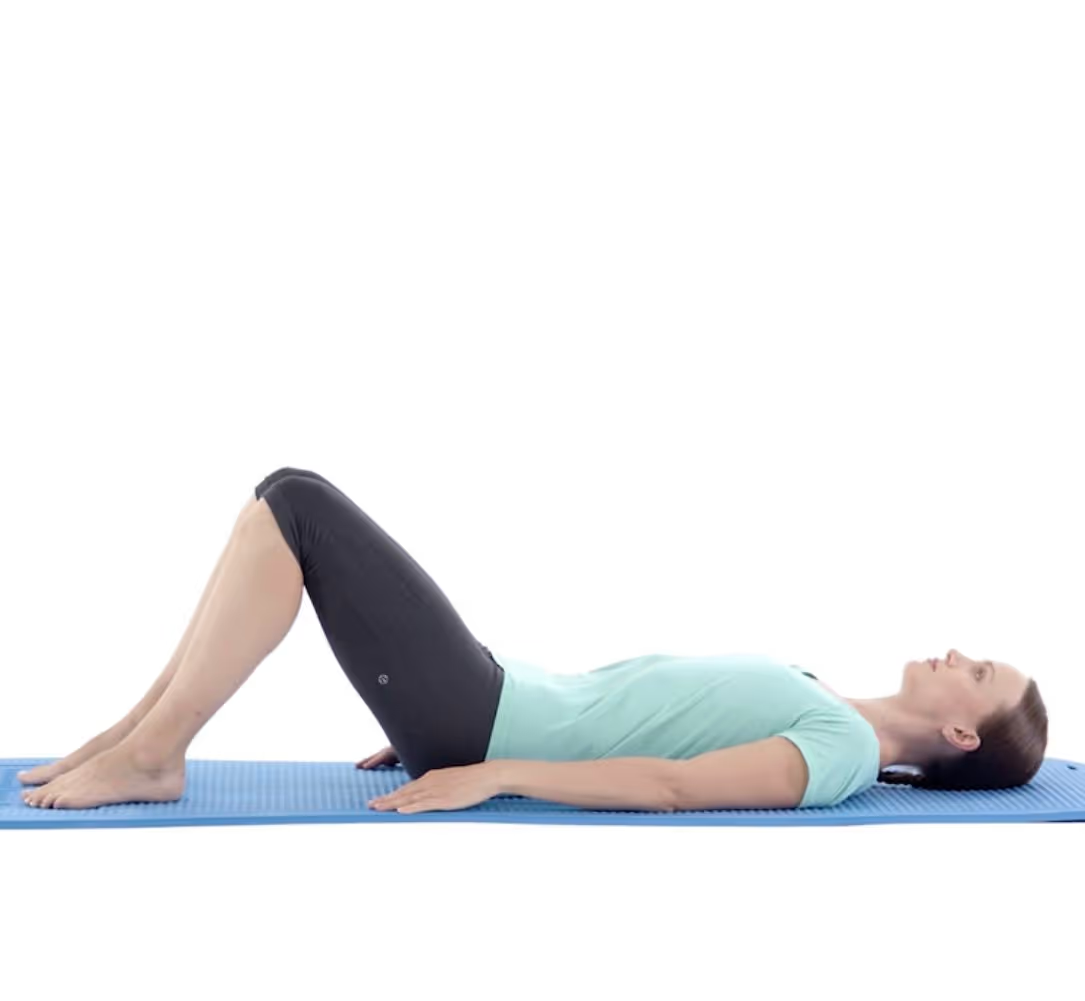
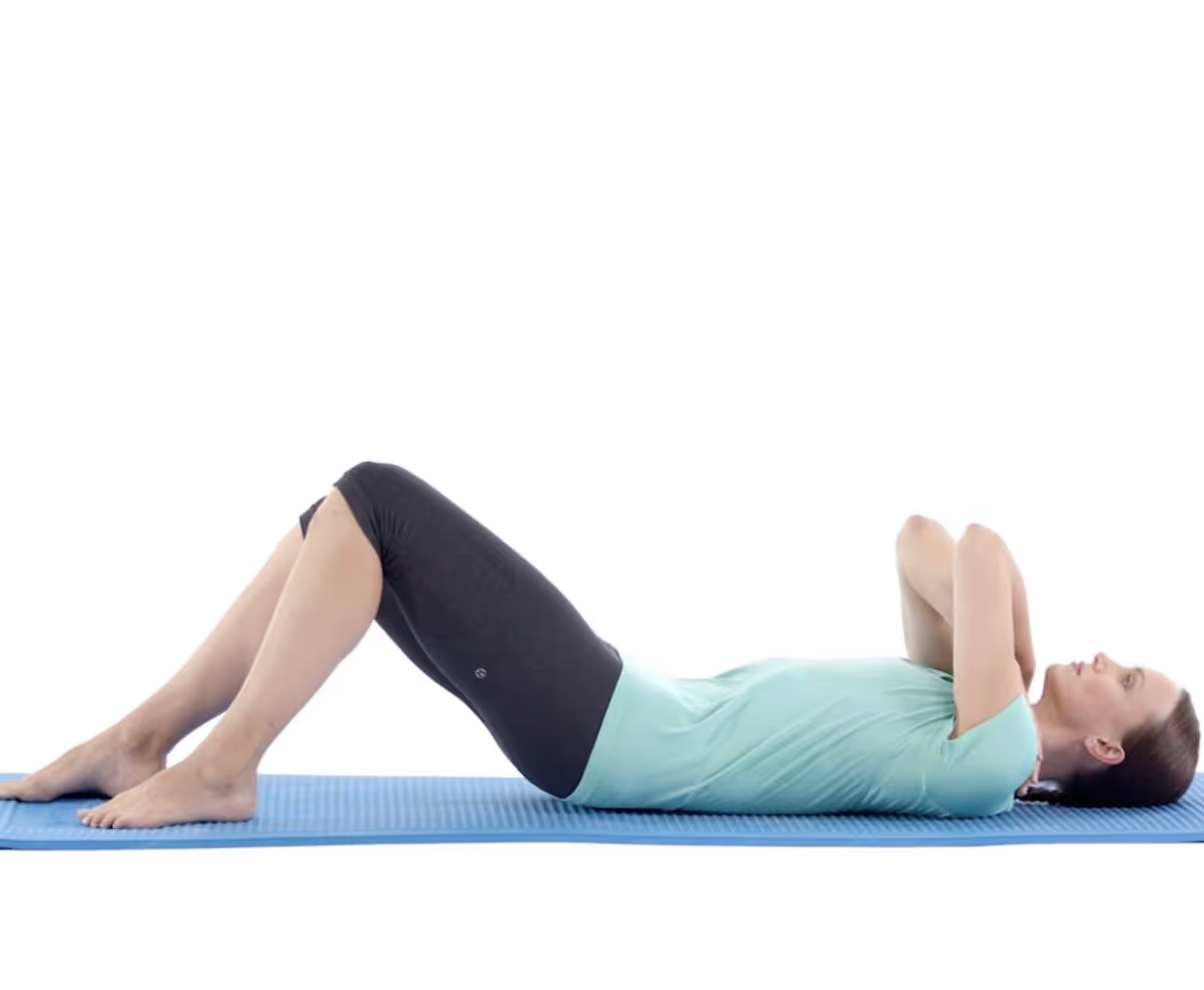
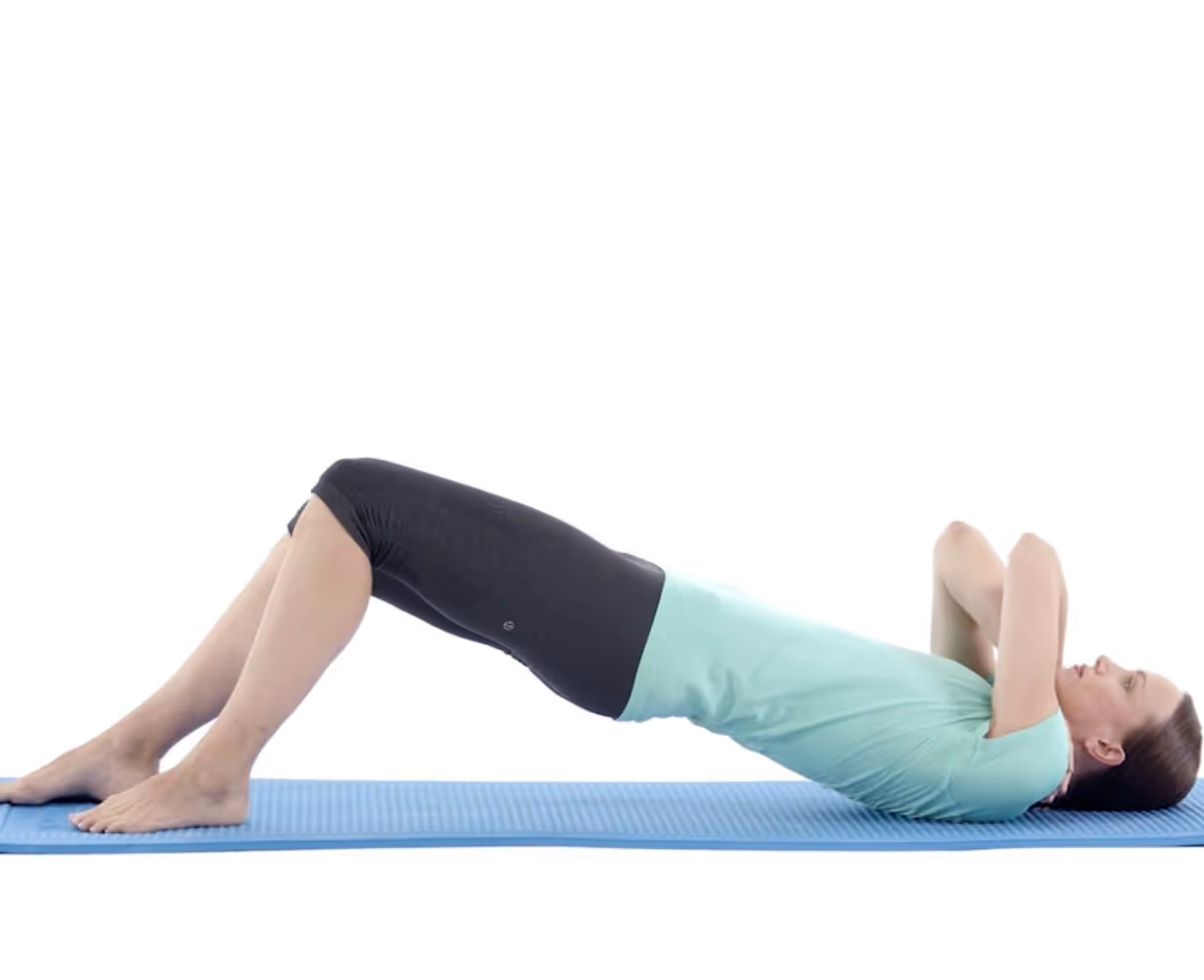
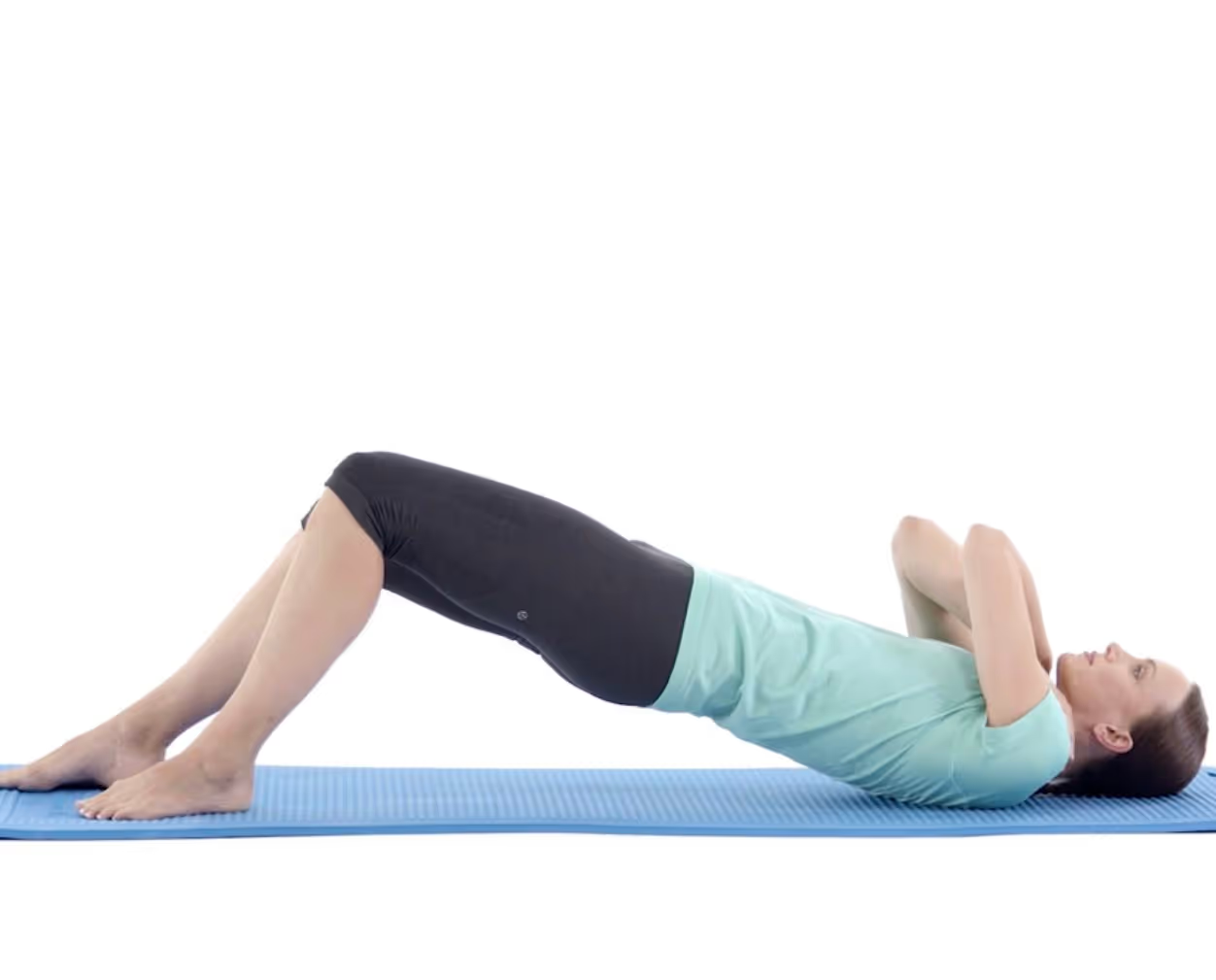

%20(1).avif)
3. About the bridge split
- Works your entire core
- Improves coordination between opposing muscle groups (extensors and flexors)
- Helps increase strength, stability and mobility
- Builds inner core strength for long-term physical health
4. List benefits of bridge split
Here are some potential benefits of performing this exercise:
- Improved lower body muscle balance.
- Improved hip mobility.
- Increased core stability and strength.
- Enhanced coordination and agility.
5. FAQ on bridge split


Bridge split target the glutes, hamstrings, quads, and core muscles.
When performing bridge split, it is important to keep your feet in the correct position. Start by standing with your feet hip-width apart, then take a large step forward with one foot. Your front foot should be flat on the floor, and your back foot should be elevated on a bench or box. Make sure your back knee is bent and your front knee is directly over your ankle. Keep your torso upright and your core engaged throughout the exercise.
The correct form for bridge split is to stand with your feet hip-width apart, then step one foot forward and lower your body until both legs are bent at 90 degrees. Keep your chest up and your back straight, and make sure your front knee stays aligned over your ankle. Push through your front heel to return to the starting position.
The exact distance you should lower your body for bridge split will depend on your individual flexibility and strength. Generally, you should lower your body until your back knee is just above the ground and your front thigh is parallel to the ground. If you can lower further without compromising your form, you can go lower.
The best way to progress with bridge split is to start with bodyweight only, then progress to adding weight in the form of dumbbells, barbells, or kettlebells. As you get stronger, you can increase the weight and/or reps. You can also increase the difficulty by adding a pause at the bottom of the movement, or by using a single-leg version of the exercise.

