

Step-by step guide to the neck flex exercise
Maximize effectiveness: Tips for patients and practitioners
Step-by step guide to the neck flex exercise
Maximize effectiveness: Tips for patients and practitioners

1. Step-by-step video on how to do the neck flex exercise

How to perform the Neck Flex
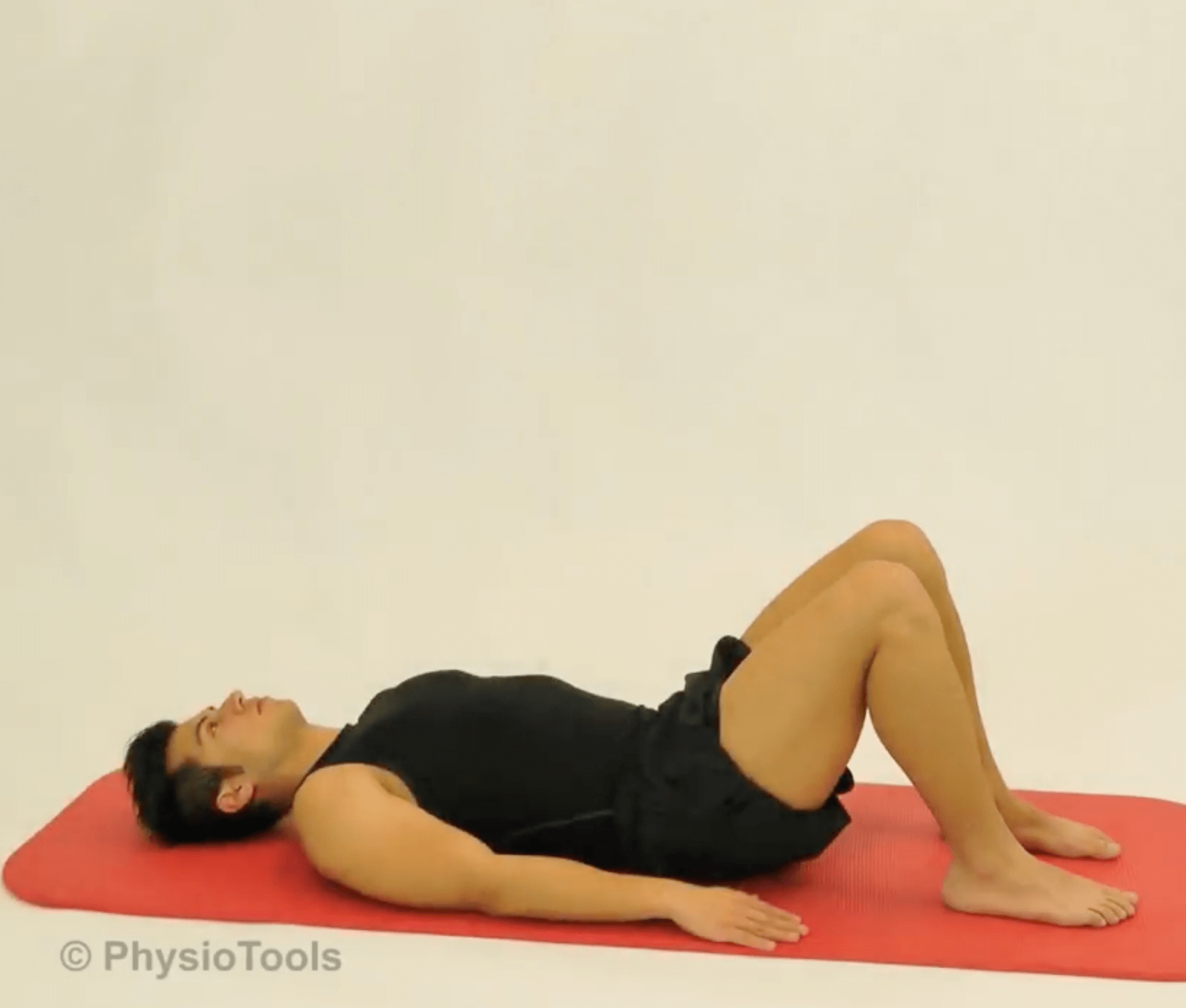


%20(1).avif)
3. About the neck flex exercise
- Improves range of motion of the neck and upper spine
- Improves posture
- Reduces risk of injury in the upper body and neck
4. Benefits of the neck flex exercise
Here are some potential benefits of performing this exercise:
- Lower Risk of Injury - Increasing neck flexor muscle strength can help reduce the risk of injury from sudden neck movements or lifting heavy objects.
- Improved Neck Mobility - Developing stronger neck flexor muscles can improve neck movement and flexibility.
- Improved Balance and Coordination - Stronger neck flexor muscles help maintain balance and coordination by providing the necessary stability and support for the neck.
5. FAQ on the neck flex exercise


The muscles used in neck flexion are the sternocleidomastoid (SCM), anterior scalene, and the longus colli.
The best way to warm up before doing neck flexion exercises is to do some dynamic stretches that target the neck muscles. Examples of dynamic stretches include neck circles, neck rolls, and side-to-side neck stretches. It is important to do these stretches slowly and gently to avoid straining the neck muscles.
If you experience pain while doing neck flexion exercises, you should stop immediately and consult a doctor or physical therapist. Neck flexion exercises should be done with caution and proper form to prevent injury. Your doctor or physical therapist can help you determine the best exercises for your condition and can provide guidance on proper form and technique.

