Step-by-step guide to the bent leg body twist

Maximize effectiveness: Tips for patients and practitioners

Step-by-step guide to the bent leg body twist

Maximize effectiveness: Tips for patients and practitioners

video camera icon

1. Step-by-step video on how to do the bent leg body twist

Icon of a checkbox

2. How to perform the bent leg body twist? Follow these instructions:
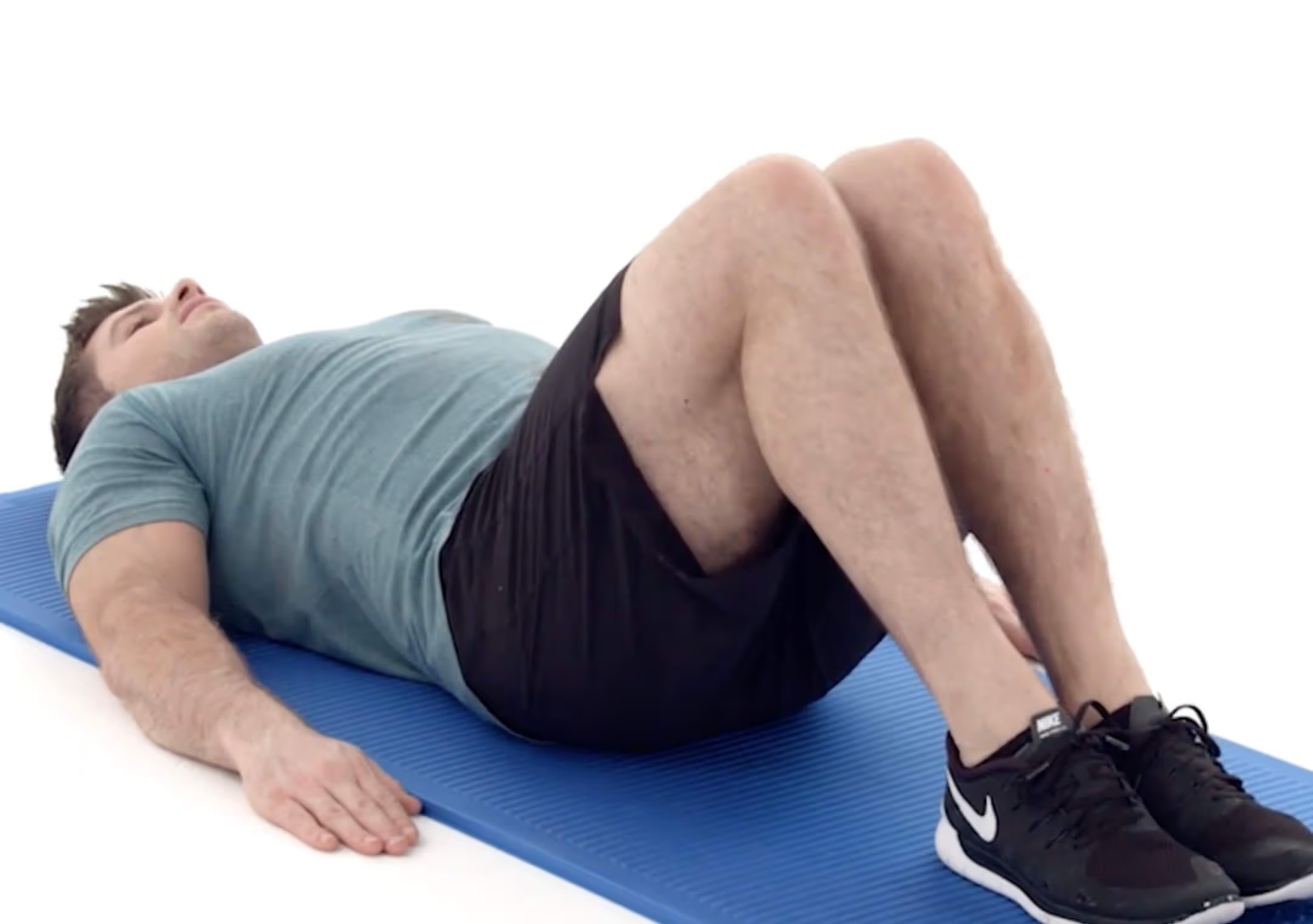
Step 1
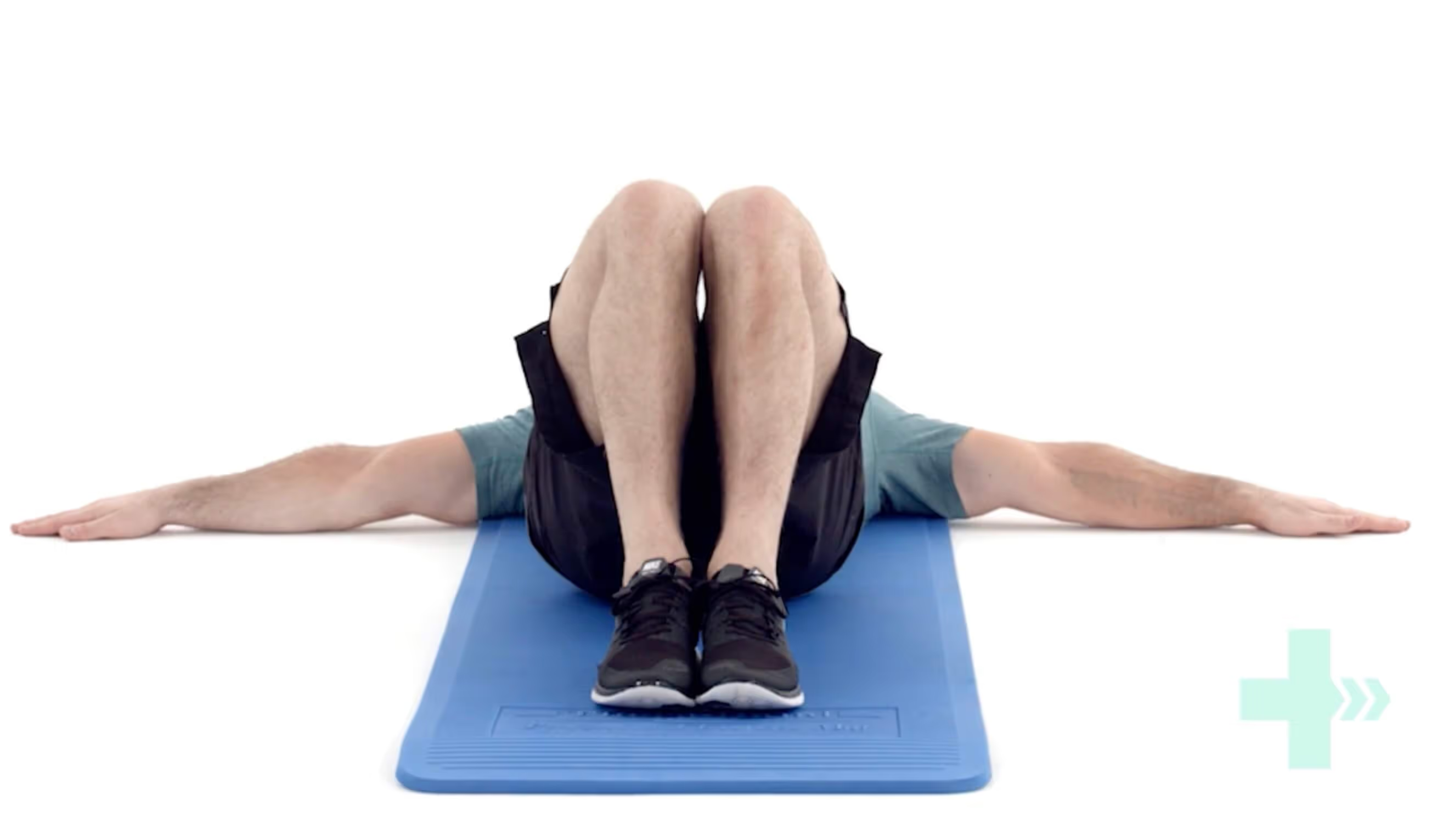
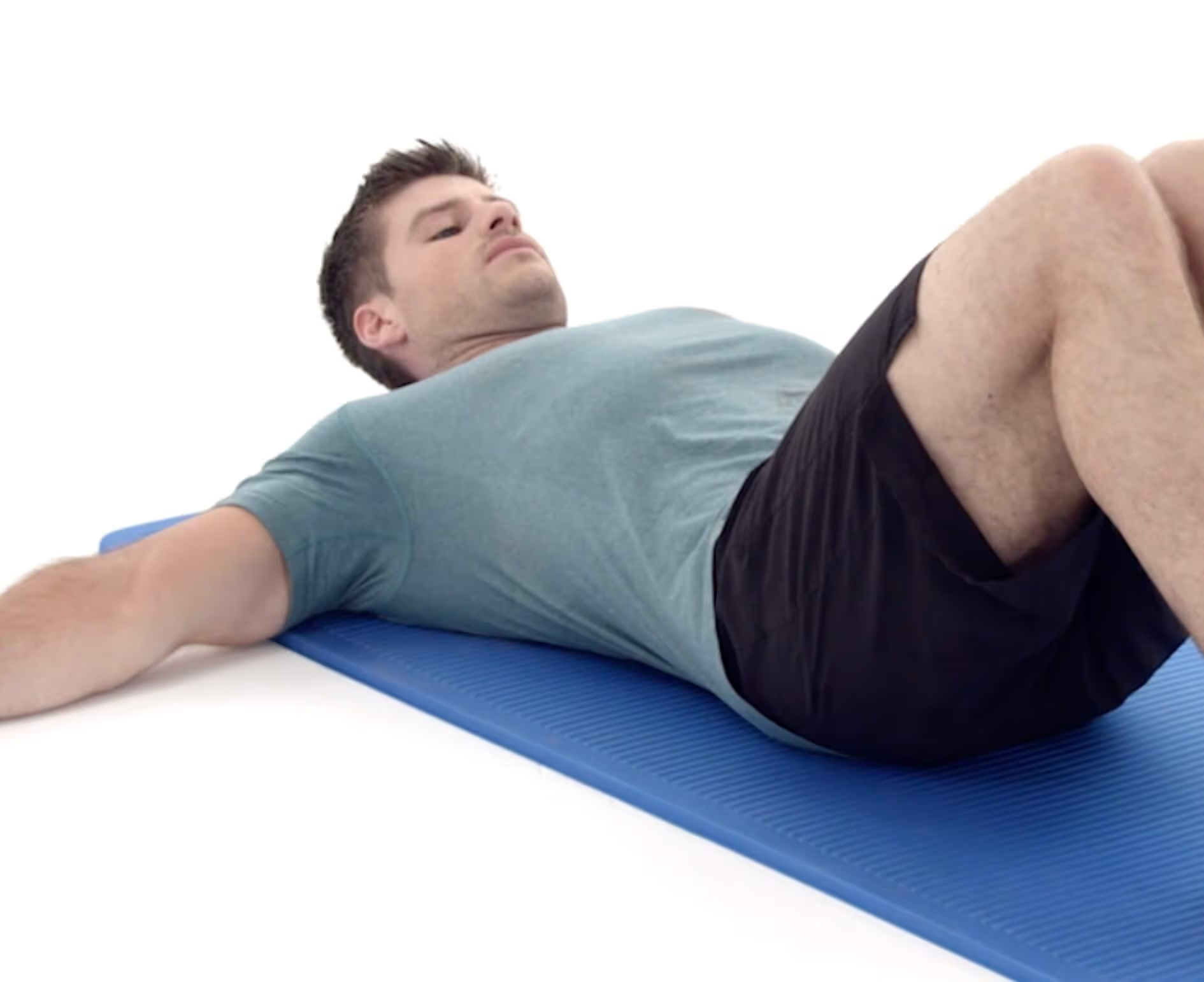
Lie on your back in the supine position with your legs bent and your feet flat on the floor.
Step 2
Extend your arms at a 45 degree angle to your trunk with your palms facing downwards.
Step 3
Raise your head just off the floor and keep your chin tucked in. Maintain contact between your knees and feet, and tighten your abdominal muscles for the duration of the exercise.
Step 4
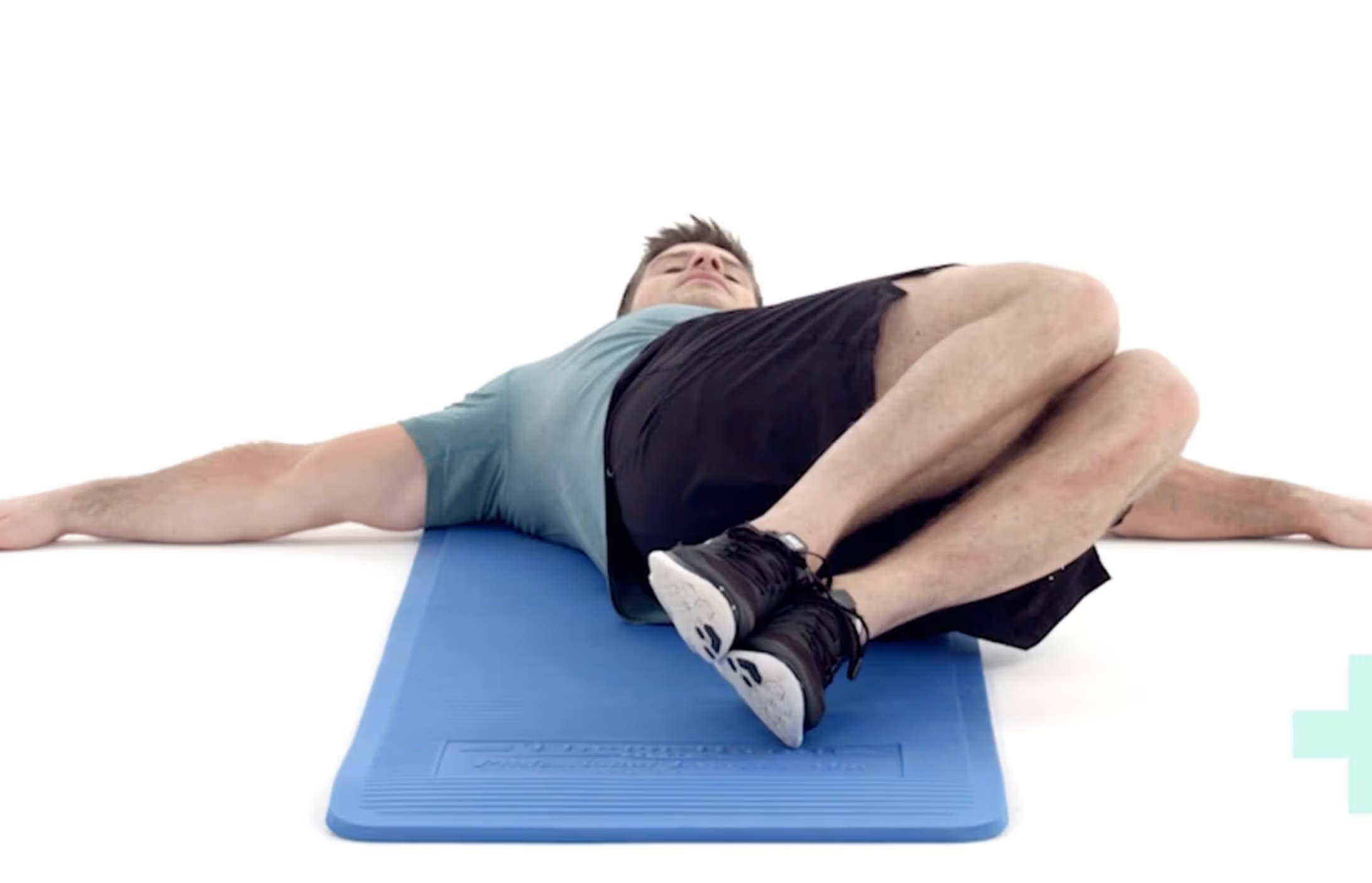
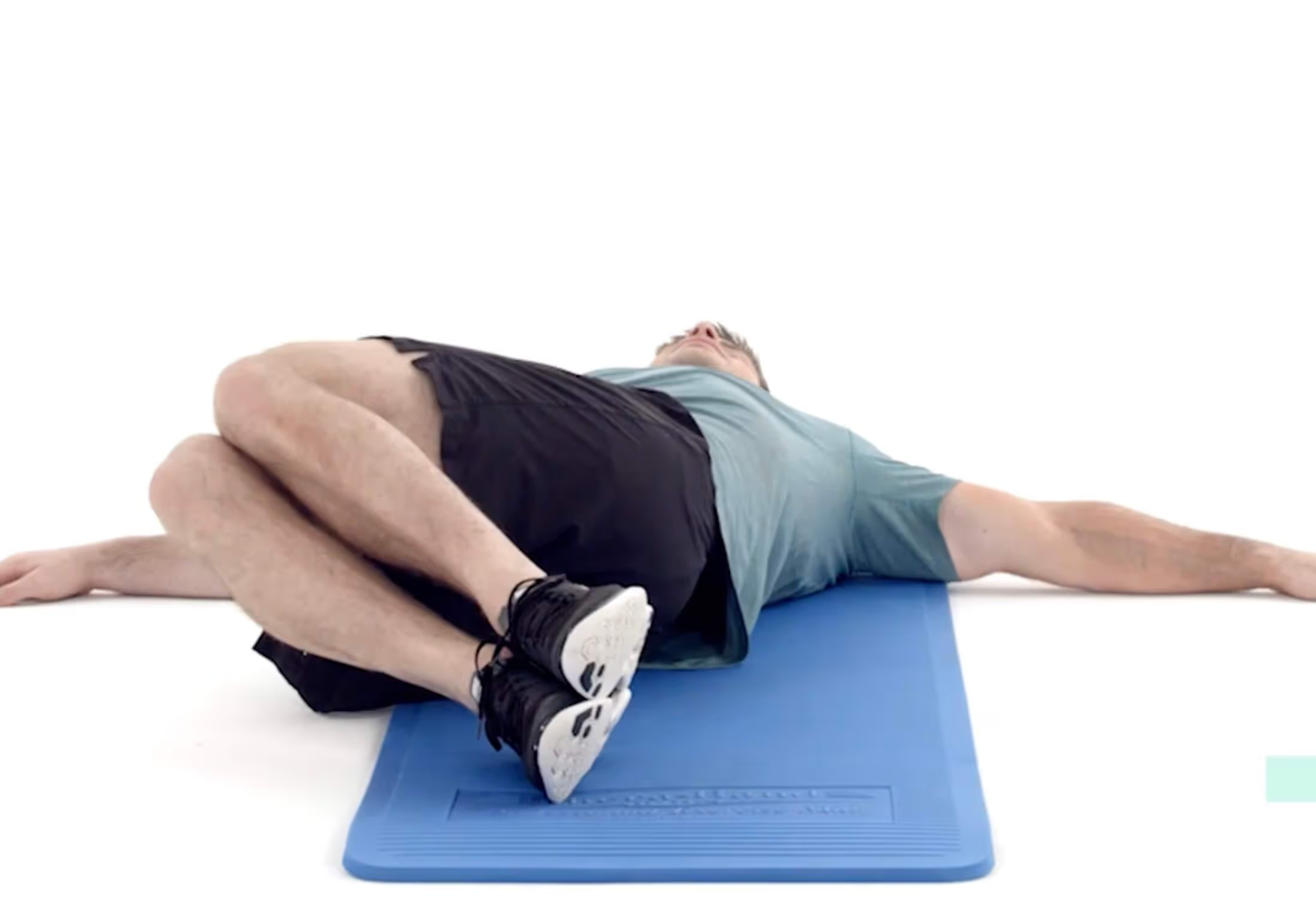
Now rotate your legs to the left to the limit of your ability, make sure the opposite shoulder remains in contact with the floor throughout the movement.
Step 5
Move back to the neutral position and repeat, alternating sides for the desired number of repetitions. Do not rotate the legs to a point beyond which the arms and shoulders can no longer maintain contact with the floor.
Prescribe. Educate. Engage.

Unlock Physitrack - all in one platform for practitioners!
Start your 30-day free trial today.
Get Started
Various devices showing the Physitrack UI
Want to receive your exercise programs via app?

Refer your physiotherapist and start using PhysiApp!
Leave clinic details
Mobile devices showing the user interface of Phystrack
Icon of a checkbox

3. About the bent leg body twist

  • The bent leg body twist exercise, also known as Ardha Matsyendrasana or Half Lord of the Fishes Pose, offers several benefits for both physical and mental well-being.
Icon of a checkbox

4. Benefits of bent leg body twist

Here are some potential benefits of performing this exercise:

  • Improving spinal flexibility
  • Strengthening core muscles
  • Relieving stress and tension
Icon of a checkbox

5. FAQ on bent leg body twist

What are the benefits of the bent leg body twist exercise?
Plus iconMinus icon

The exercise can help to improve spinal flexibility, core strength, digestion, relieve stress in the shoulders and back, and improve balance and stability.

Is this exercise suitable for beginners?
Plus iconMinus icon

This exercise is considered intermediate level, and it is recommended that individuals new to yoga or those with back or knee problems should consult a doctor before trying it. It is always best to work with a qualified yoga teacher to ensure proper alignment and to avoid injury.

How often can I do this exercise?
Plus iconMinus icon

The frequency of this exercise will depend on your individual condition and the severity of your symptoms. It's best to start with lower level of intensity and gradually increase as you become more comfortable with the posture. It's also important to listen to your body and not to overdo it, to avoid injury or pain.

Are there any precautions I should take when doing this exercise?
Plus iconMinus icon

As with any exercise, it's important to consult with a doctor before starting if you have any health concerns, especially if you have any back or knee problems. It's also best to work with a qualified yoga teacher to ensure proper alignment and to avoid injury.

Plus iconMinus icon

Prescribe. Educate. Engage.

Unlock Physitrack - all in one platform for practitioners!
Start your 30-day free trial today.
Get Started
Various devices showing the Physitrack UI
Want to receive your exercise programs via app?

Refer your physiotherapist and start using PhysiApp!
Leave clinic details
Mobile devices showing the user interface of Phystrack

Thank you for using our exercises!

We would love to know just one thing about you to help us improve these pages

What do you currently use as the main form for assigning exercises to your patient?

Next
Thank you! Your submission has been received!
Oops! Something went wrong while submitting the form.
Thank you! Your submission has been received!
Oops! Something went wrong while submitting the form.