Step-by step guide to the wall posture exercise
Maximize effectiveness: Tips for patients and practitioners
1. Step-by-step on how to do the wall posture exercise.
2. How to perform the wall posture. Follow these instructions.
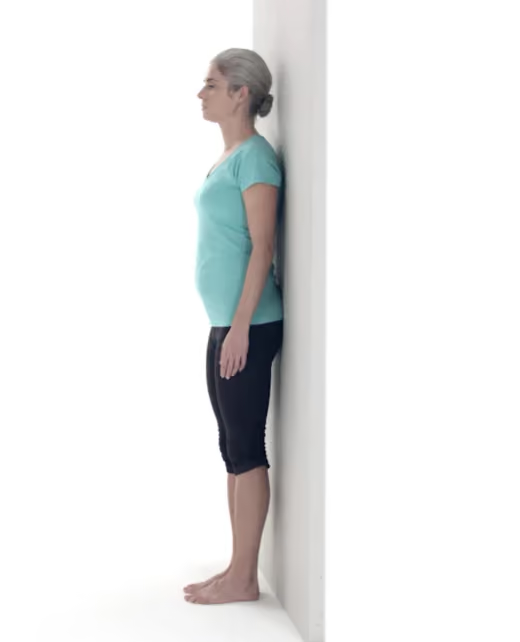
Step 1
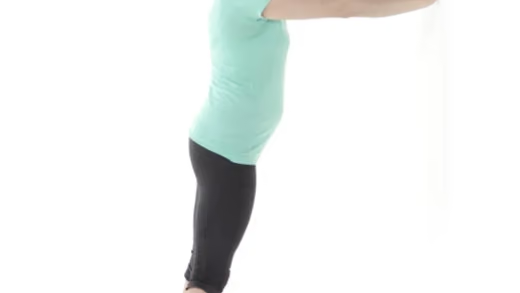
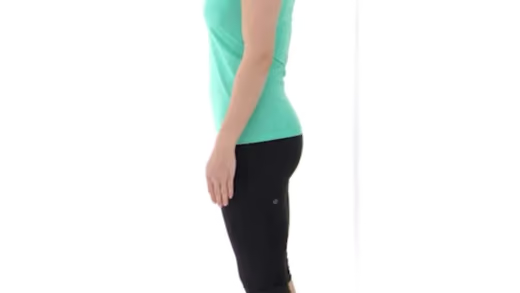
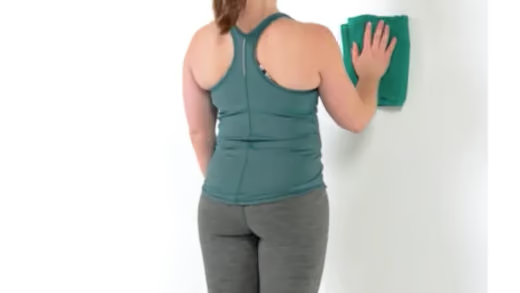
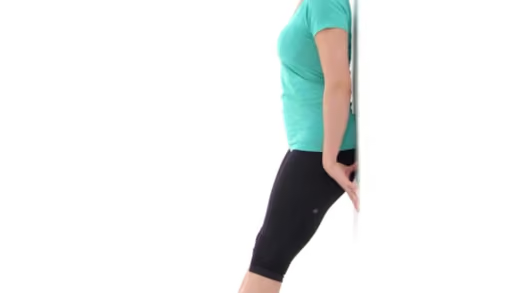
Stand with your back against a wall. Your buttocks should be touching the wall.

Step 2
Lean your upper back against the wall, ensuring you do not arch your lower back too much. Attempt to flatten your shoulder blades against the wall, and finally bring your head to the wall if you can. Hold this position.
3. About the wall posture.
- Increases spinal flexibility
- Prevents back pain
- Enhances posture
4. Benefits of the wall posture exercise
Here are some potential benefits of performing this exercise:
- Improve posture: Wall posture can help to correct imbalances in the back and shoulders by stretching tight muscles and strengthening weak ones.
- Improve flexibility: Wall posture can help increase flexibility in the hip flexors, core, and other tight areas of the body.
- Increase balance and stability: Holding a wall posture can help to improve balance and stability while standing or moving throughout the day.
- Increase body awareness: Wall posture can help to increase awareness of the body’s position and alignment, which is important for overall health and well-being.
5. FAQ on wall posture.
What is wall posture?
Wall posture is a type of posture exercise that is designed to help improve posture and reduce back pain. It involves standing with your back against a wall, keeping your feet shoulder-width apart and your arms at your sides. The goal is to keep your head, shoulders, and hips in a straight line and to keep your chest open. This exercise can help strengthen the muscles that support your spine and help improve your overall posture.
What muscles does wall posture work?
Wall posture works the entire posterior chain of muscles, including the glutes, hamstrings, upper and lower back, and core muscles.
How often should I practice wall posture?
The frequency of practice depends on your goals and current level of skill. If you are a beginner, it is recommended to practice wall posture at least three times a week. As you become more experienced, you may want to increase the frequency of your practice to five or more times a week.
What are the benefits of wall posture?
The benefits of wall posture are numerous. It can help improve posture, reduce back and neck pain, improve core strength, and improve breathing. It can also help to improve balance and coordination, reduce stress, and improve overall body awareness. Additionally, wall posture can help to improve posture and reduce fatigue, as well as improve flexibility and range of motion.