Step-by step guide to the waiters walk exercise
Maximize effectiveness: Tips for patients and practitioners
1. Step-by-step on how to do the waiters walk.
2. How to waiters walk. Follow these instructions.
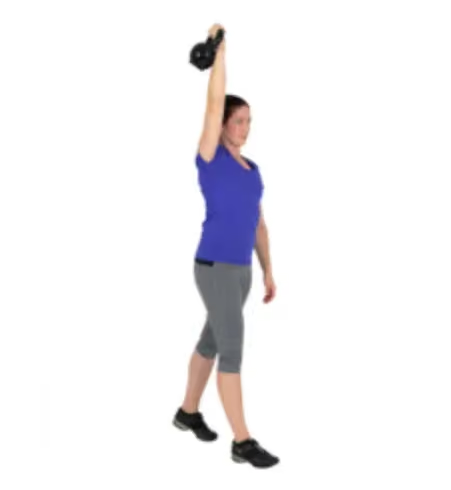
Step 1
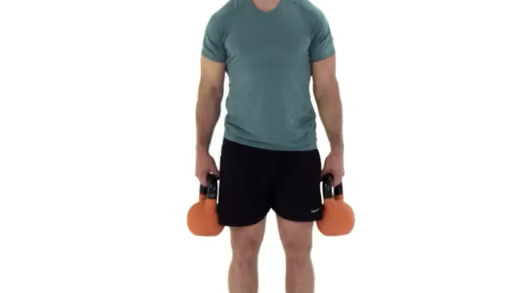
Pick up a weight and press it up to a straight arm. Keep shoulders level and start walking while keeping the weight in an overhead position with a straight arm.
3. About waiters walk.
- The exercise involves the coordination of your breathing and movement to maintain your balance and control your body.
- The Waiter's Walk exercise is a great way to stretch and strengthen your core while also improving your balance.
4. Benefits of the waiters walk exercise
Here are some potential benefits of performing this exercise:
- Strengthens core muscles: Walking helps to strengthen the abdominal and lower back muscles which helps to improve balance and stability.
- Helps with weight loss: Walking is a great way to burn calories and increases metabolism. This helps to reduce overall body fat and promotes weight loss.
- Improved mood: Walking increases the serotonin levels in the brain which helps to improve mood and reduce stress and anxiety.
5. FAQ on waiters walk.
What muscles does the waiter's walk target?
The waiter's walk primarily targets the shoulder muscles, specifically the deltoids, as the weight is held overhead. Additionally, it engages the stabilizing muscles in the core, including the obliques, and works on overall shoulder and scapular mobility.
What equipment do I need for a waiter's walk?
The main equipment needed for a waiter's walk is a single weight, such as a dumbbell or kettlebell. Choose a weight that challenges you without compromising form. The weight is held overhead with a straight arm during the walk. Make sure the chosen weight allows you to maintain control and stability throughout the exercise.
How do I perform a waiter's walk with proper form?
Answer: To perform a waiter's walk with proper form: Begin by standing tall with a weight in one hand, arm fully extended overhead. Keep your chest up, shoulders back, and core engaged. Take slow and controlled steps while maintaining an upright posture. Ensure the weight remains directly over your shoulder and doesn't lean to one side.
What are the benefits of incorporating waiter's walks into my workout routine?
Shoulder Stability: The exercise helps improve shoulder stability and strength, reducing the risk of injuries. Core Engagement: Holding the weight overhead engages the core muscles, promoting better overall core strength. Functional Movement: Waiter's walks simulate real-life movements, enhancing functional fitness and improving daily activities. Posture Improvement: The exercise encourages an upright posture, contributing to better spinal alignment and posture awareness.