Step-by-step guide to the tendon gliding exercise
Maximize effectiveness: Tips for patients and practitioners
1. Step-by-step video on how to do the tendon gliding.
2. How to perform the tendon gliding? Follow these instructions.
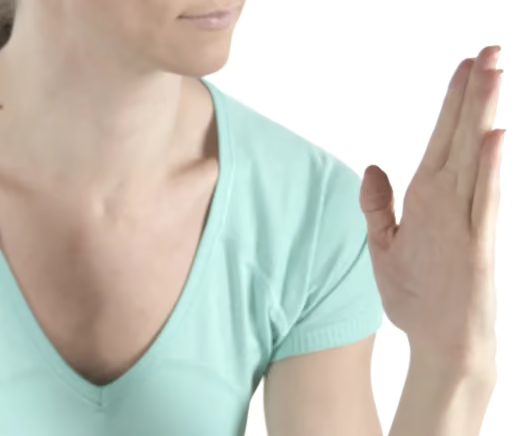
Step 1
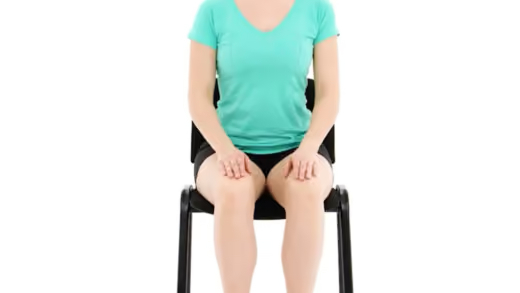
Start in a seated position. Place your affected arm on a table, holding the forearm up and your hand and fingers straight. Bend your knuckles, keeping the middle and end joints of your fingers straight.
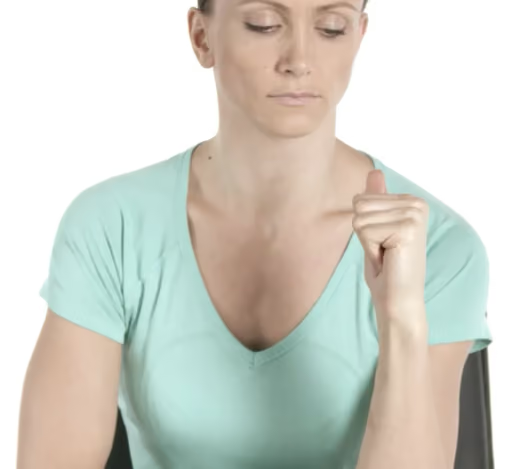
Step 2
From this position, bend the middle joints of your fingers, keeping the tips of your fingers straight.
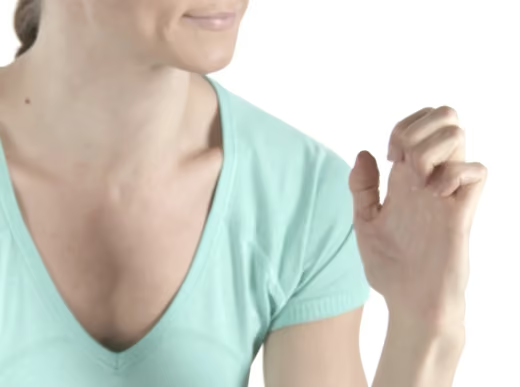
Step 3
From here, curl your fingers into a fist before straightening your knuckles while keeping the middle and end joints of your fingers bent.
3. About tendon gliding.
- Helps reduce painful tendon swelling and limited joint mobility
- Easier than stretching for those with limited mobility
- Performed with short and controlled movements of the affected area
- Enhances circulation in the area for improved healing
4. Benefits of tendon gliding exercise.
Here are some potential benefits of performing this exercise:
- Increase range of motion in the affected joint
- Reduce pain and stiffness
- Reduce the risk of re-injury
- Improve strength of the tendon and surrounding muscles
FAQ on tendon gliding
What is a tendon gliding?
Tendon gliding is a type of exercise that helps to improve the range of motion in a joint by stretching and strengthening the tendons and muscles around the joint. This exercise is often used to help relieve pain and improve flexibility in the shoulder, elbow, wrist, and other joints.
How often should I do tendon gliding?
Tendon glides should be done on a regular basis, but the exact frequency depends on your individual needs. Generally, it is recommended to do tendon glides at least three times a week. However, if you are recovering from an injury or have a chronic condition, you may need to do them more often. It is best to consult with your doctor or physical therapist to determine the best frequency for your individual needs.
What are the benefits of doing tendon gliding?
Tendon glides are a form of physical therapy that can help to improve range of motion, reduce pain, and strengthen the muscles and tendons in the affected area. They can also help to reduce inflammation and improve circulation, which can help to speed up the healing process. Additionally, tendon glides can help to improve coordination and balance, and can help to prevent future injuries.
What muscles are involved in tendon gliding?
The muscles involved in tendon glides typically depend on the specific exercise being performed. However, some of the most common muscles involved in tendon glides include the deltoids, biceps, triceps, pectorals, and lats.