Step-by step guide to the side kick exercise
Maximize effectiveness: Tips for patients and practitioners
1. Step-by-step video on how to do the side kick exercise
How to perform the Side Kick
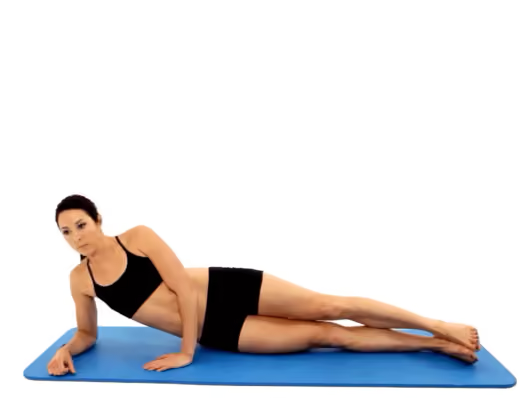
Step 1
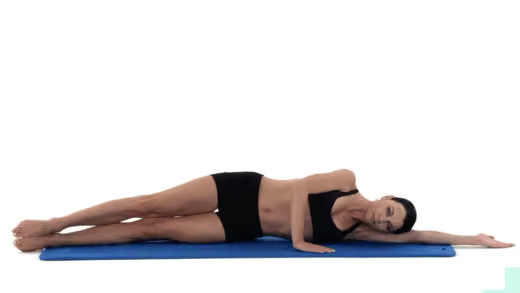
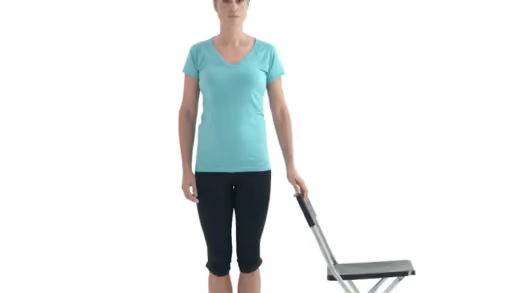
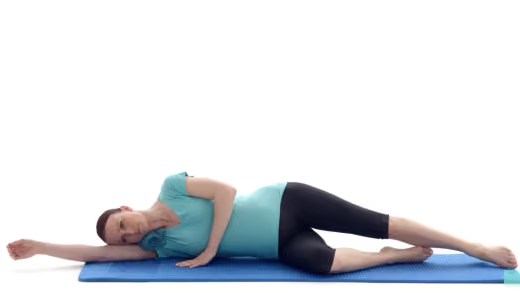
Lie on your good side with your legs straight.
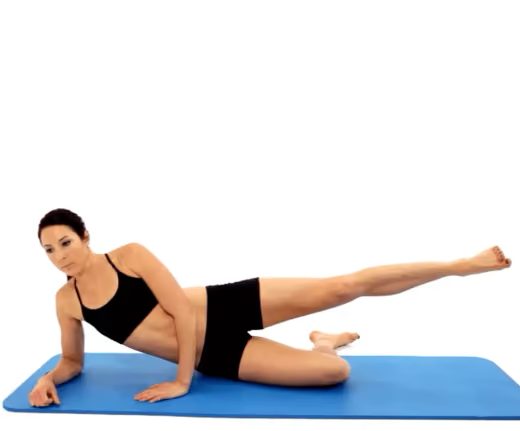
Step 2
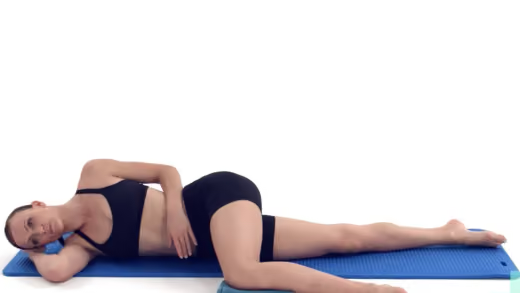
Keeping it straight, lift the top leg up, then move it forwards in front of you keeping it horizontal. Control the movement back to the start position, and repeat.
3. About the side kick exercise
- Builds strength in core, hips, and legs
- Strengthens and stretches the glutes
- Can be done with or without weights
- Important to keep your back straight while performing the exercise
4. Benefits of the side kick exercise
Here are some potential benefits of performing this exercise:
- Improved balance and coordination
- Improved mobility in feet, ankles, and legs
- Increased flexibility in hips, hamstrings, and calf muscles
- Improved posture and body alignment
5. FAQ on the side kick exercise
What muscles does the side kick exercise target?
The side kick exercise primarily targets the muscles of the glutes, hips, and thighs. Specifically, it works the gluteus medius, gluteus maximus, and tensor fasciae latae of the hips, as well as the quadriceps and hamstrings of the thighs.
How often should I do side kicks?
The frequency with which you should do side kicks depends on your fitness level and goals. If you are just starting out, you may want to do side kicks two to three times per week. As you become more experienced, you can increase the frequency to four to five times per week. Make sure to rest between sets and to listen to your body to avoid overtraining.
How can I increase the intensity of a side kick workout?
To increase the intensity of a side kick workout, you can try adding resistance to your kicks by using ankle weights or resistance bands. You can also increase the number of repetitions, add plyometric exercises such as jump kicks, or increase the speed of your kicks. You can also try incorporating different kick variations into your workout, such as roundhouse kicks or hook kicks.
What are the common mistakes to avoid when performing side kicks?
Common mistakes to avoid when performing side kicks include: 1. Not keeping your supporting leg straight and bent at the knee. 2. Not keeping your hips facing forward. 3. Not keeping your kicking leg fully extended. 4. Not keeping your head and chest up. 5. Not keeping your arms and hands in the proper position. 6. Not focusing on the target. 7. Not controlling the speed and power of the kick. 8. Not keeping your balance and stability.