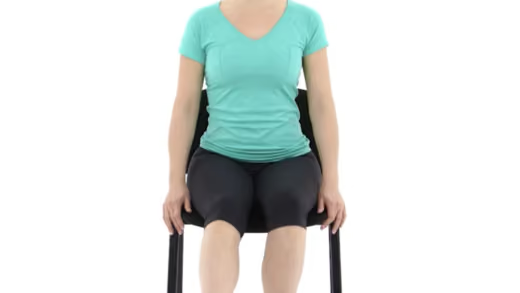
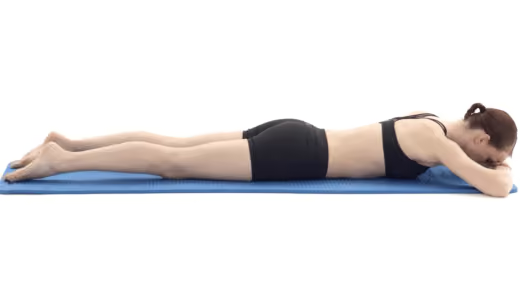
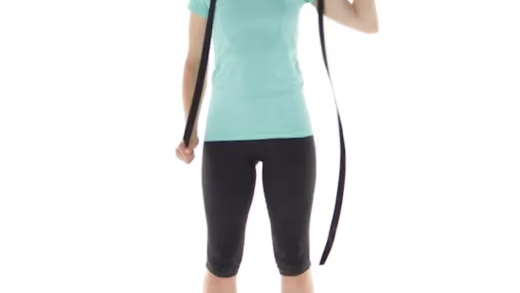
Step-by step guide to the saphenous nerve exercise
Maximize effectiveness: Tips for patients and practitioners
1. Step-by-step video on how to do the saphenous nerve exercise
How to perform the Saphenous Nerve
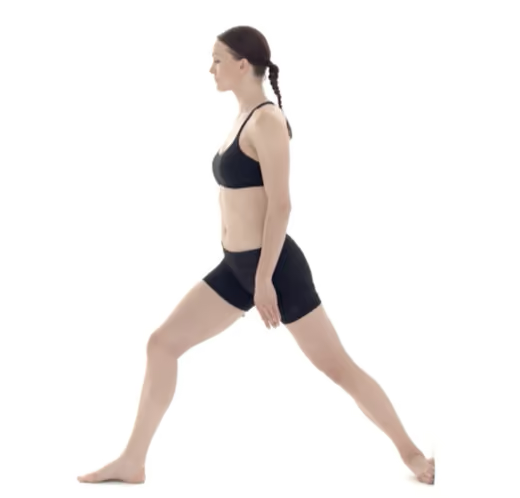
Step 1
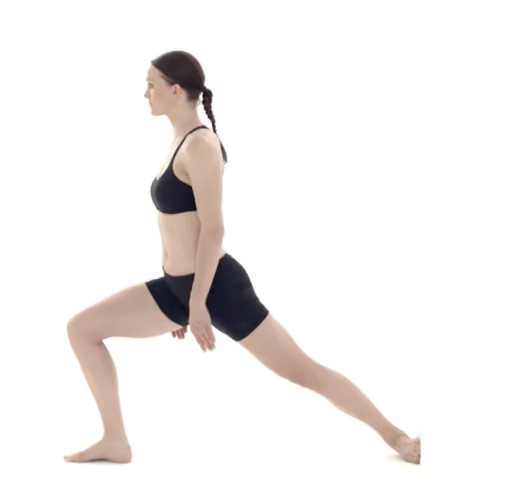
Stand up straight with your back to a wall. Take a large step forward on your unaffected leg, and place the sole of your other foot against the wall with the foot turned out.
Step 2
Bend the front, taking your weight forwards onto it.
Step 3
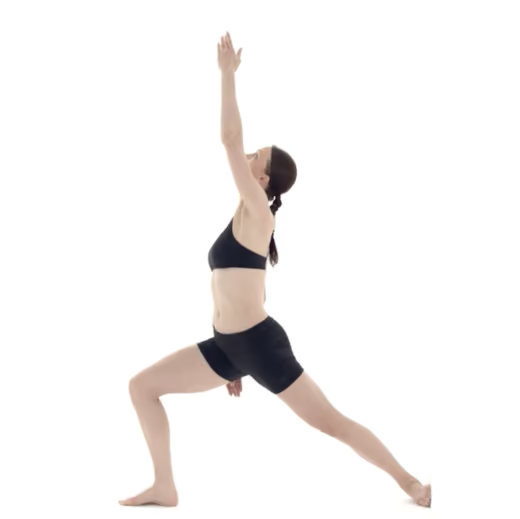
To increase the stretch, as you bend your knee, raise the arm on your affected side up and over, whilst simultaneously extending your head backwards.
3. About the saphenous nerve exercise
- Gliding exercises target and move specific nerves with the goal of restoring full range of motion and eliminating entrapment
- These exercises are done to improve the symptoms related to chronic pain, such as numbness, tingling, burning or aching sensations
4. Benefits of the saphenous nerve exercise
Here are some potential benefits of performing this exercise:
- Improved muscle strength and movement in the lower legs, ankles, and feet.
- Reduction in pain in the lower leg.
- Increased blood flow and oxygenation in the legs.
- Improved flexibility and coordination in the lower legs.
5. FAQ on the saphenous nerve exercise
What are the benefits of saphenous nerve mobilization?
Saphenous nerve mobilization is a form of physical therapy that can help to reduce pain and discomfort in the lower leg and foot. It can also help to improve range of motion, strength, and balance in the lower leg and foot. Other benefits include improved circulation, improved nerve function, and improved posture.
What are the risks associated with saphenous nerve mobilization?
The risks associated with saphenous nerve mobilization include nerve damage, infection, and pain. Additionally, there is a risk of nerve entrapment, which can lead to chronic pain and numbness.
How often should saphenous nerve mobilization be performed?
Saphenous nerve mobilization should be performed as often as necessary to reduce pain and improve mobility. It is important to consult with a physical therapist or other healthcare professional to determine the best frequency of mobilization for your individual needs.