Step-by step guide to the piriformis stretch exercise
Maximize effectiveness: Tips for patients and practitioners
1. Step-by-step on how to do piriformis stretch.
2. How to perform piriformis stretch. Follow these instructions.
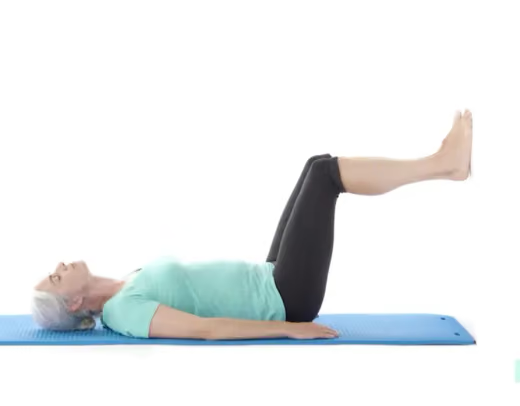
Step 1
Lie on your back and place your feet on a wall. Make sure your knees and hips are at 90 degrees.
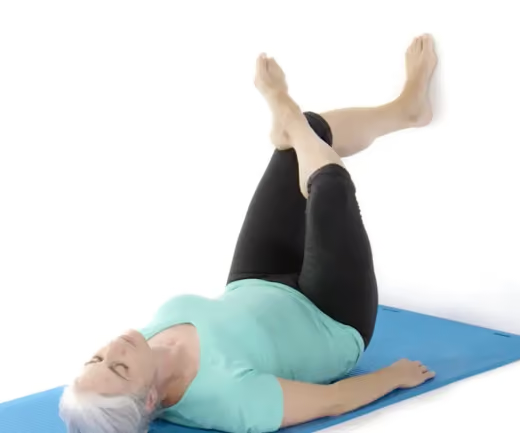
Step 2
Place the outside of one ankle just above the knee of your other.
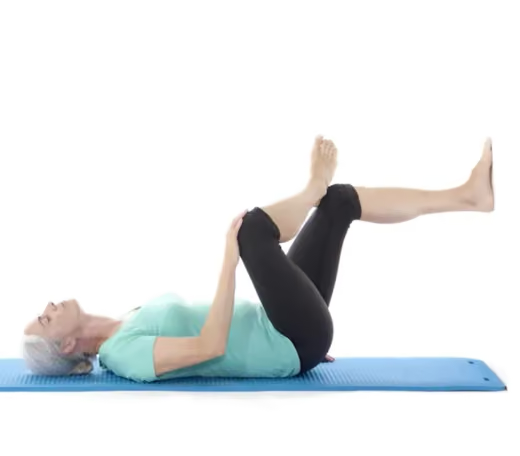
Step 3
Increase the stretch by gently pressing your knee away with your hand.
3. About piriformis stretch.
- Targets the piriformis muscle to loosen up the hips
- Improves lower back flexibility and mobility
- Reduces risk of injury during exercise
- Can be completed with or without the aid of props and tools such as a foam roller or yoga strap
4. Benefits of the piriformis stretch exercise
Here are some potential benefits of performing this exercise:
- Decreases lower back pain
- Improves circulation to the legs
- Relieves pressure on the sciatic nerve
- Improves balance and stability
5. FAQ on piriformis stretch.
What is the piriformis muscle?
The piriformis muscle is a small muscle located deep in the buttock. It is responsible for hip rotation and helps to stabilize the hip joint. It can become tight and cause pain in the hip, buttock, and down the leg.
What is the purpose of a piriformis stretch?
The purpose of a piriformis stretch is to help relieve pain and tightness in the piriformis muscle, which is located deep in the buttock. This stretch can help alleviate sciatica symptoms, reduce lower back pain, and improve hip mobility.
How often should I do a piriformis stretch?
It is recommended to do a piriformis stretch at least 2-3 times per day. However, depending on the severity of your symptoms, you may need to do the stretch more often. It is important to listen to your body and adjust the frequency of the stretch accordingly.
What are the benefits of a piriformis stretch?
The benefits of a piriformis stretch include: 1. Improved flexibility in the hips and lower back. 2. Increased range of motion in the hips and lower back. 3. Reduced pain and discomfort in the lower back, hips, and buttocks. 4. Improved posture and balance. 5. Reduced risk of injury to the lower back, hips, and buttocks. 6. Improved circulation to the lower back, hips, and buttocks. 7. Improved coordination and stability in the lower back, hips, and buttocks.