Step-by step guide to the leg pull exercise
Maximize effectiveness: Tips for patients and practitioners
1. Step-by-step video on how to do the leg pull exercise
How to perform the Leg Pull
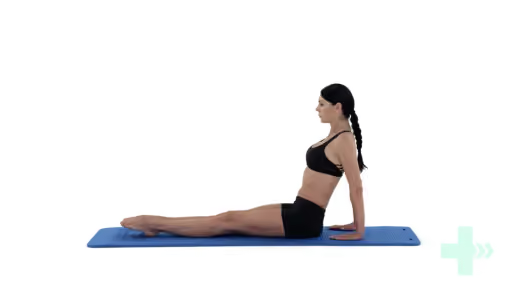
Step 1
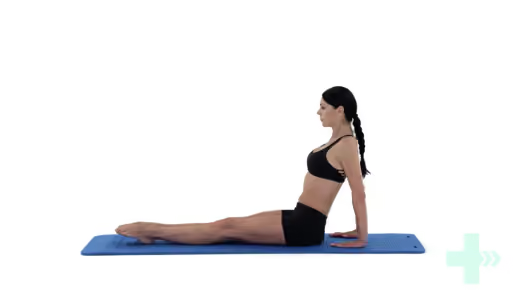
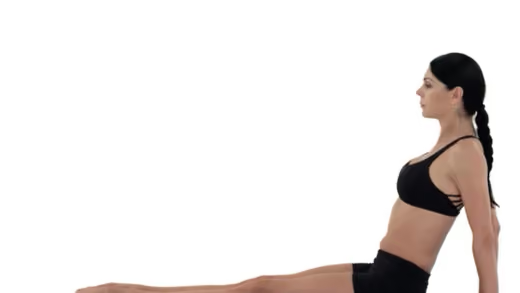
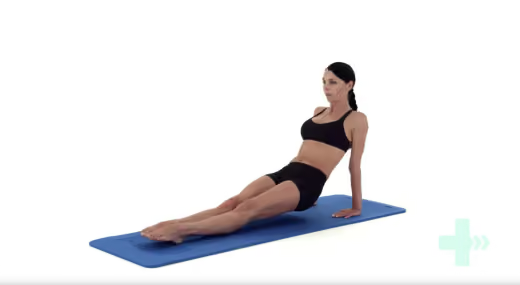
Sit upright with your legs held together and straight out in front of you. Extend your arms out behind you with your hands flat on the floor and your fingers facing to the front.
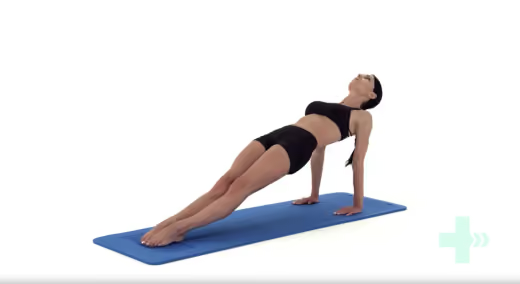
Step 2
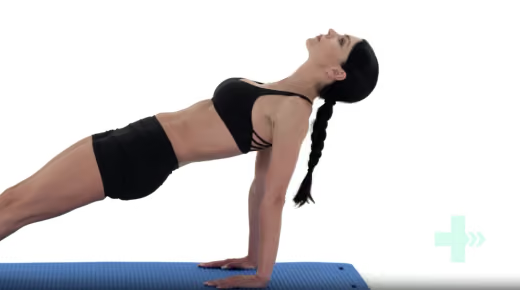
EXHALE: lift your pelvis off the mat and move your body into the Back Support position
Step 3
INHALE: hinge in your hip joint and lower your pelvis down.
Step 4
Maintain a nice straight line though your body from head to toe when in the Back Support position.
3. About the leg pull exercise
- n
- Strengthens the hip flexors to improve posture
- Helps build strength and stability in the hip, leg and knee joints
- Improves flexibility and agility
4. Benefits of the leg pull exercise
Here are some potential benefits of performing this exercise:
- Strengthens the quadriceps and hamstrings.
- Helps prevent knee pain and lower leg injuries.
- Improves balance and stability.
- Enhances coordination and agility.
5. FAQ on the leg pull exercise
What muscles does the leg pull-in exercise target?
The leg pull-in exercise primarily targets the hip flexors, which are the muscles located at the front of the hip that help to flex the hip joint. It also works the glutes, quads, and hamstrings.
How often should I do the leg pull-in exercise?
The leg pull-in exercise should be done 3-4 times per week for best results. It is important to allow your body adequate rest and recovery time between workouts.
What type of equipment is needed for the leg pull-in exercise?
For the leg pull-in exercise, you will need a pull-up bar or a set of resistance bands. You may also need a mat or towel for comfort.
Is the leg pull-in exercise suitable for all fitness levels?
No, the leg pull-in exercise is not suitable for all fitness levels. It is an advanced exercise that requires a certain level of strength and stability to perform correctly. Beginners should start with simpler exercises such as bodyweight squats and lunges before attempting the leg pull-in.