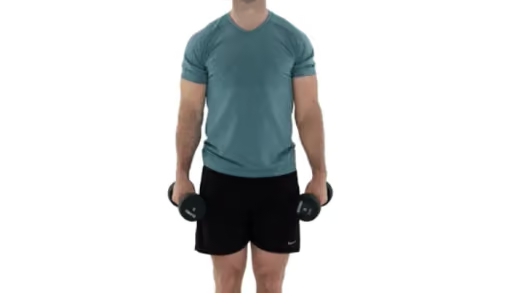
Step-by step guide to the hip abduction exercise
Maximize effectiveness: Tips for patients and practitioners
1. Step-by-step video on how to do the hip abduction
2. How to perform the hip abduction? Follow these instructions:

Step 1
Slowly lift one leg out to the side against the resistance of the band.

Step 2
Control the movement as you lower your leg back down to the starting position.
3. About the hip abduction
- Exercise helps to strengthen the muscles around the hip
- Works gluteus medius which is responsible for pelvic stability
- Place resistance band around knees and keep feet hip width distance apart
- Slowly abduct hips and drive knees outwards against the resistance band
4. List benefits of hip abduction
Here are some potential benefits of performing this exercise:
- Strengthen the core muscles
- Reduce risk of hip and knee injuries
- Improve balance
- Improve posture
- Increase range of motion in the hips and pelvis
5. FAQ on hip abduction
What is hip abduction?
Hip abduction is a movement of the hip joint in which the thigh moves away from the midline of the body. This movement is usually done by contracting the gluteus medius and gluteus minimus muscles. It is often used in exercises to strengthen the hip muscles and improve hip stability.
What muscles does hip abduction target?
Hip abduction targets the gluteus medius and gluteus minimus muscles in the buttocks, as well as the tensor fasciae latae muscle in the upper thigh.
What are the benefits of hip abduction?
The benefits of hip abduction include improved hip stability, increased range of motion, improved posture, and reduced risk of lower back pain. It can also help strengthen the muscles around the hip joint, which can help reduce the risk of injury. Additionally, hip abduction can help improve balance and coordination.
How often should hip abduction exercises be performed?
Hip abduction exercises should be performed 2-3 times per week. It is important to allow for adequate rest between exercise sessions to allow for muscle recovery and growth.