Step-by-step guide to the stretching brachioradialis
Maximize effectiveness: Tips for patients and practitioners
1. Step-by-step video on how to do the stretching brachioradialis
2. How to perform the stretching brachioradialis? Follow these instructions:
Step 1
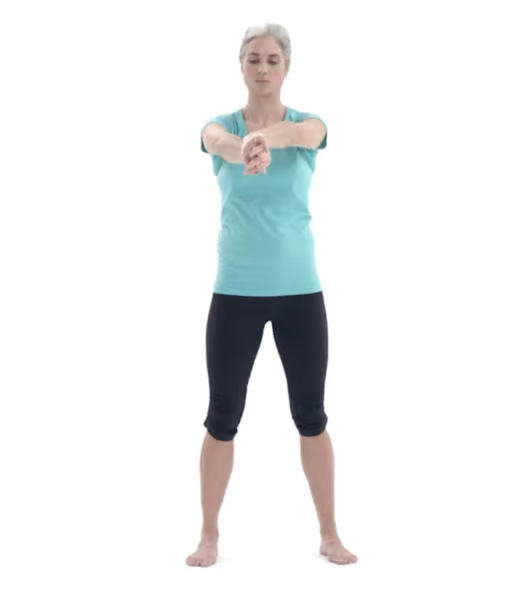
Clasp your hands together with your good hand over your affected hand and thumbs pointing down.
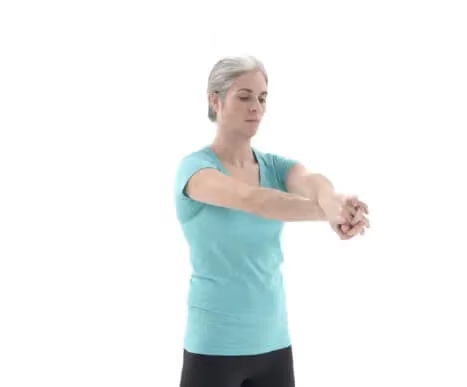
Step 2
Let your top hand assist in rotating your other arm, turning your thumb up towards the ceiling.
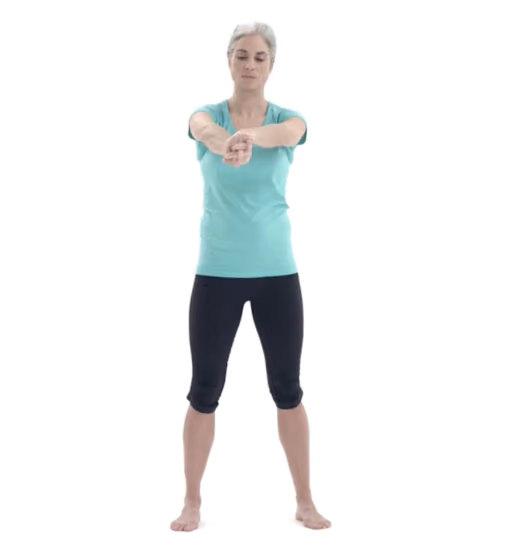
Step 3
Feel the stretch in your forearm.
3. About the stretching brachioradialis
- The brachioradialis is a muscle located in the forearm that is responsible for elbow flexion and supination (rotation of the forearm).
- Stretching the brachioradialis can help to improve flexibility, reduce muscle tightness, and reduce the risk of injury.
- The brachioradialis can be stretched in a variety of ways, including with a wrist flexor stretch, a reverse wrist curl stretch, or by using a foam roller.
4. Benefits of stretching brachioradialis
Here are some potential benefits of performing this exercise:
- Improves flexibility and range of motion in the forearm
- Reduces muscle tightness and tension
- Improves overall arm and wrist function
5. FAQ on stretching brachioradialis
How often should I stretch the brachioradialis?
The frequency of stretching will depend on your individual needs and goals. As a general guideline, it's recommended to stretch each muscle group at least 2-3 times a week, with at least one day of rest in between to allow the muscle to recover.
How long should I hold the stretch?
The duration of the stretch will depend on your individual needs and goals. A general guideline is to hold the stretch for 15-30 seconds. It's important to avoid bouncing or jerking movements while stretching, and to listen to your body and stop if you experience any discomfort or pain.
Can I stretch the brachioradialis if I have an injury?
It depends on the injury and the stage of recovery. If you have a recent injury or an injury that causes pain or discomfort when stretching, it's important to check with a healthcare professional before starting.