

Step-by-step guide to the squat jumping exercise
Maximize effectiveness: Tips for patients and practitioners
Step-by-step guide to the squat jumping exercise
Maximize effectiveness: Tips for patients and practitioners

1. Step-by-step video on how to do the squat jumping.

2. How to perform the squat jumping? Follow these instructions.


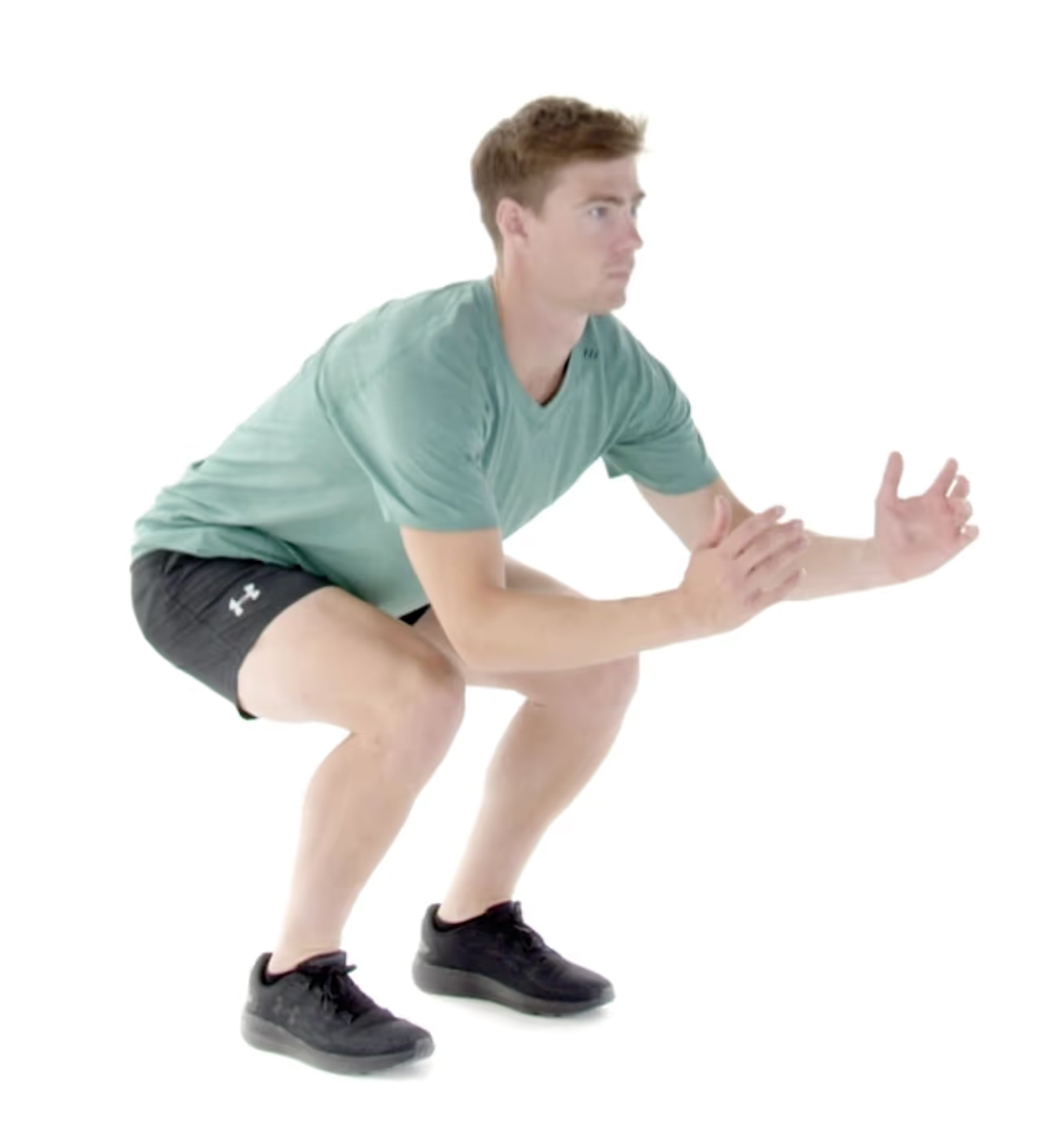

%20(1).avif)
3. About the squat jumping.
- A squat jump is an explosive, full-body exercise that challenges your lower body, core, and cardiovascular system
- It is important to keep a neutral spine and a straight back during the jump
- Begin with feet hip-width apart and slowly lower yourself into a squat position
- Drive through heels to explode upward, extending both arms and legs while jumping
4. Benefits of squat jumping exercise.
Here are some potential benefits of performing this exercise:
- Improves cardiovascular health
- Develops strength and power in the lower body
- Increases bone density
- Improves balance and flexibility.
FAQ on squat jumping exercise


Squat jumping works a variety of muscles, including the quadriceps, glutes, hamstrings, calves, and core muscles.
Squat jumping should be done no more than 2-3 times per week. It is important to allow your body to rest and recover in between workouts. If you are feeling any pain or discomfort, it is best to take a break from squat jumping until the pain subsides.
The best way to warm up before squat jumping is to do a dynamic warm-up that includes bodyweight exercises such as squats, lunges, and leg swings. This will help to activate the muscles used in squat jumping and reduce the risk of injury.
Squat jumping is generally safe for your joints, as long as you use proper form and don't jump too high. However, if you have any existing joint issues, it is best to consult with a doctor before engaging in any type of jumping exercise.

