

Step-by step guide to the pelvic floor ball exercise
Maximize effectiveness: Tips for patients and practitioners
Step-by step guide to the pelvic floor ball exercise
Maximize effectiveness: Tips for patients and practitioners

1. Step-by-step video on how to do the pelvic floor ball exercise

How to perform the Pelvic Floor Ball

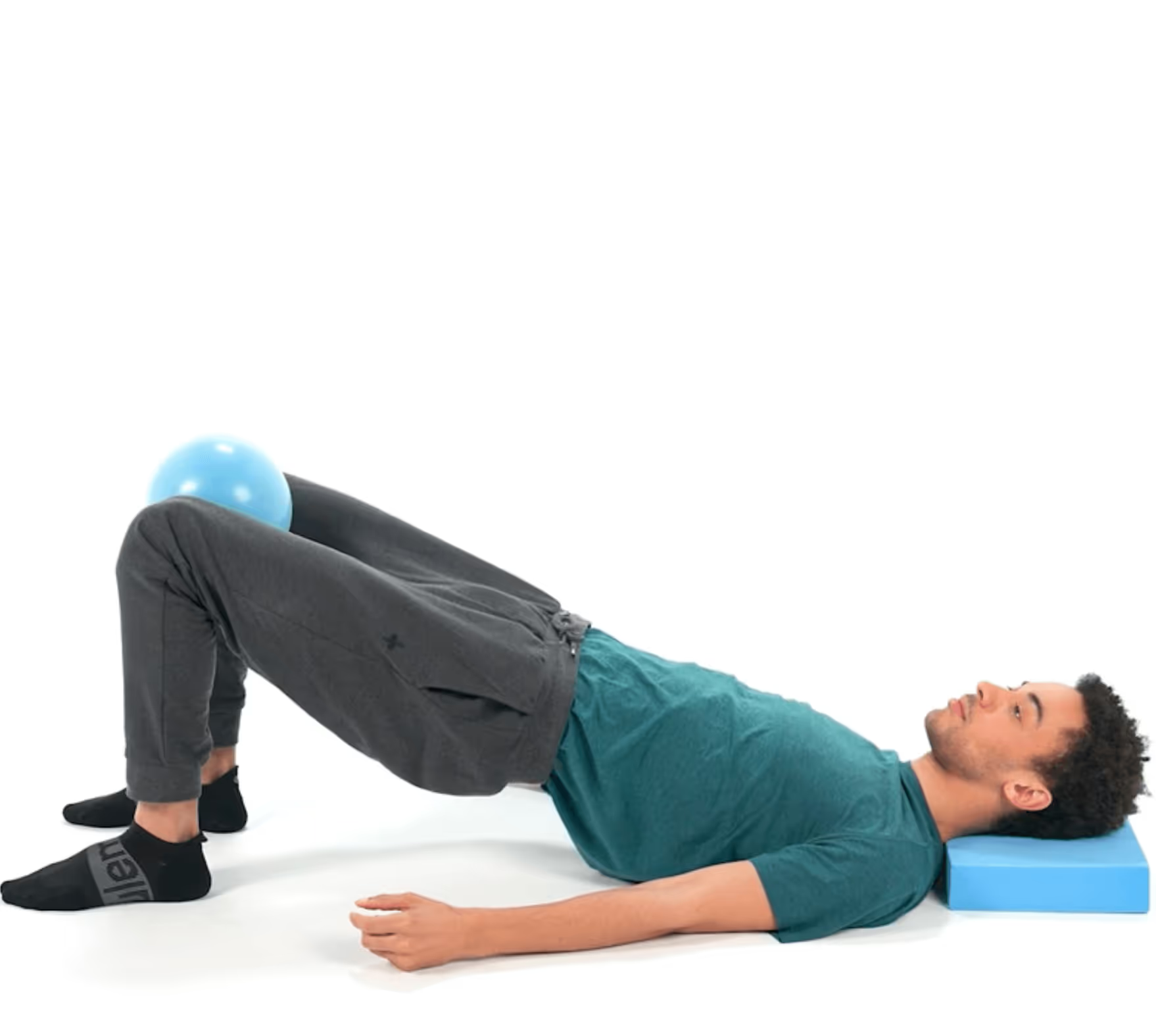

%20(1).avif)
3. About the pelvic floor ball exercise
- Improves coordination and control of these muscles
- Aids in preparation for labor
- Helps to prevent and treat incontinence
4. Benefits of the pelvic floor ball exercise
Here are some potential benefits of performing this exercise:
- Improved balance and stability
- Improved hip mobility
- Enhanced pelvic floor muscle control
- Improved core strength and activation
5. FAQ on the pelvic floor ball exercise


The purpose of pelvic floor ball exercises is to strengthen the muscles of the pelvic floor. These exercises can help to improve bladder control, reduce the risk of pelvic organ prolapse, and improve sexual functioning. They can also help to reduce pain and discomfort in the pelvic area.
Pelvic floor ball exercises target the muscles of the pelvic floor, which include the pubococcygeus, iliococcygeus, and puborectalis muscles. These muscles are responsible for supporting the pelvic organs, controlling bladder and bowel movements, and providing sexual sensation.
The frequency of pelvic floor ball exercises will depend on your individual needs. Generally, it is recommended to do pelvic floor ball exercises at least three times a week. However, if you are experiencing any issues with your pelvic floor, it is best to consult with your doctor or physical therapist to determine the best frequency for you.
The benefits of pelvic floor ball exercises include improved bladder and bowel control, increased sexual pleasure, improved posture, and reduced risk of pelvic organ prolapse. Additionally, they can help to strengthen the core muscles, reduce back pain, and improve overall physical fitness.

