

Step-by step guide to the pallof press exercise
Maximize effectiveness: Tips for patients and practitioners
Step-by step guide to the pallof press exercise
Maximize effectiveness: Tips for patients and practitioners

1. Step-by-step video on how to do the pallof press exercise

How to perform the Pallof Press
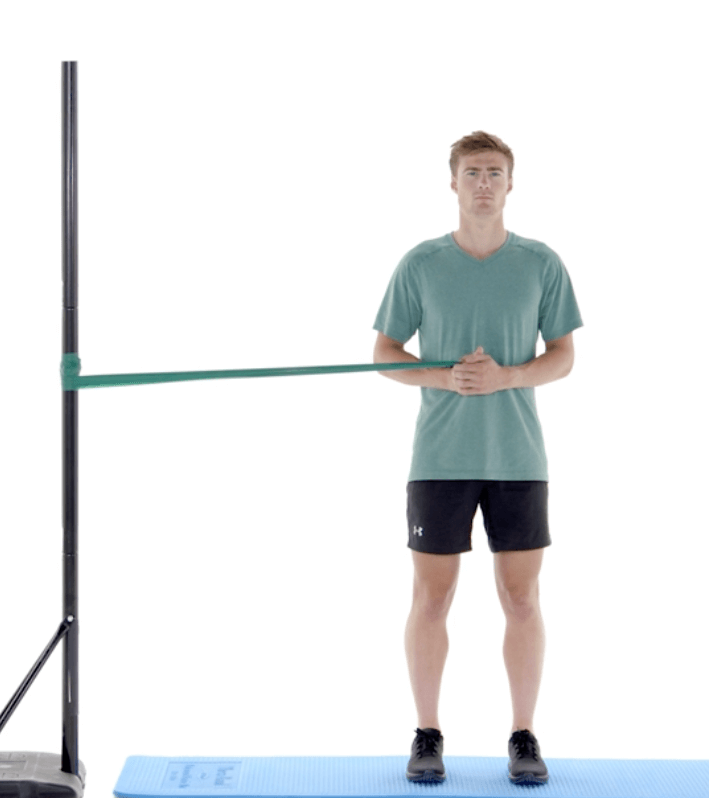
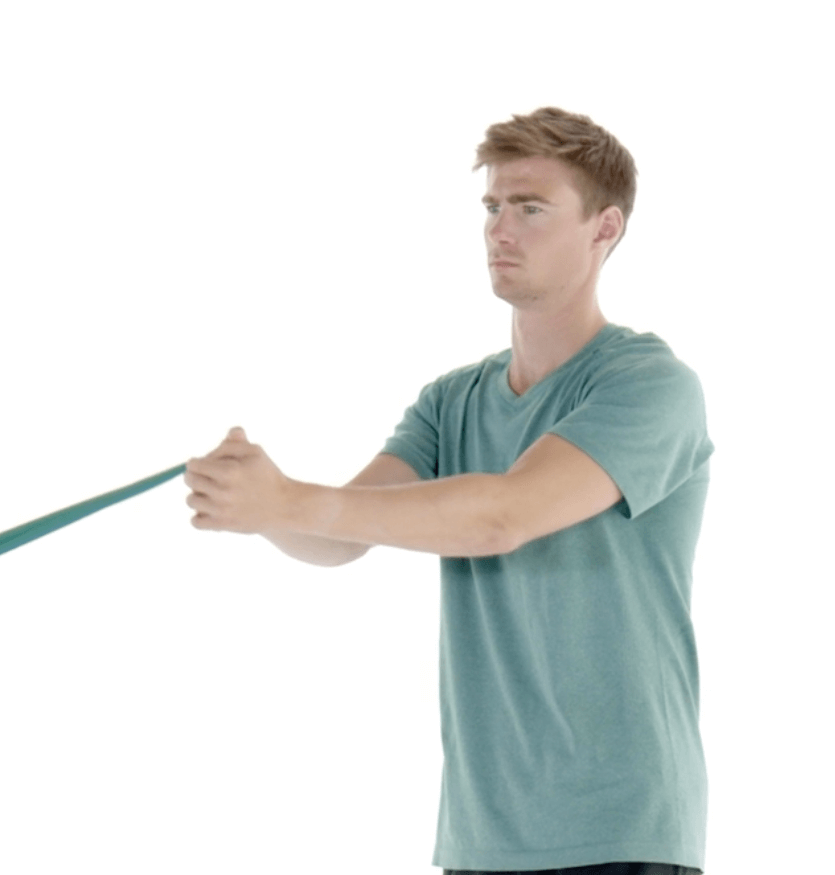
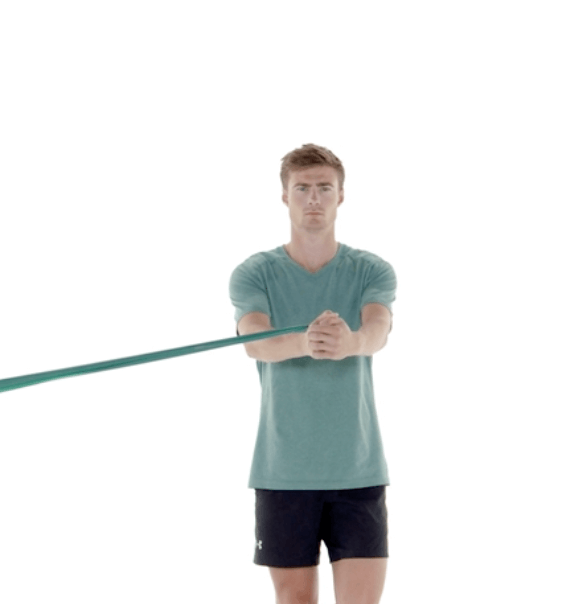

%20(1).avif)
3. About the pallof press exercise
- It works the muscles in the abdominal region while stabilizing the spine.
- This exercise can be done with bodyweight, resistance bands, or cables.
- It is important to maintain proper form throughout the exercise to ensure that the abdominals and obliques are properly engaged.
4. Benefits of the pallof press exercise
Here are some potential benefits of performing this exercise:
- Strengthens core stability and spinal alignment
- Aids in injury prevention
- Enhances the ability to transfer power from lower to upper body
- Targets the abdominal muscles for greater abdominal strength and tightness
5. FAQ on the pallof press exercise


A Pallof press is an exercise that targets the core muscles. It is done by standing sideways to a cable machine, and holding the cable with both hands at chest level. The person then pushes the cable away from their body and holds for a few seconds before returning to the starting position. The Pallof press helps to strengthen the core muscles and improve stability.
The Pallof press is an exercise that primarily works the core muscles, including the rectus abdominis, obliques, transverse abdominis, and erector spinae. It also works the glutes, shoulders, and hip flexors.
The correct form for the Pallof press is to stand with your feet shoulder-width apart, your core engaged, and your arms extended in front of you, holding the band with both hands. From this position, press the band straight out in front of you, keeping your arms straight and your core engaged. Then, slowly return to the starting position.
The Pallof press is a core exercise that offers a number of benefits, including: 1. Strengthening the core muscles, including the abdominals, obliques, and lower back. 2. Improving stability and balance. 3. Improving posture. 4. Reducing the risk of injury. 5. Enhancing athletic performance. 6. Improving coordination. 7. Increasing muscular endurance.

