

Step-by step guide to the kneeling chest stretch exercise
Maximize effectiveness: Tips for patients and practitioners
Step-by step guide to the kneeling chest stretch exercise
Maximize effectiveness: Tips for patients and practitioners

1. Step-by-step video on how to do the kneeling chest stretch

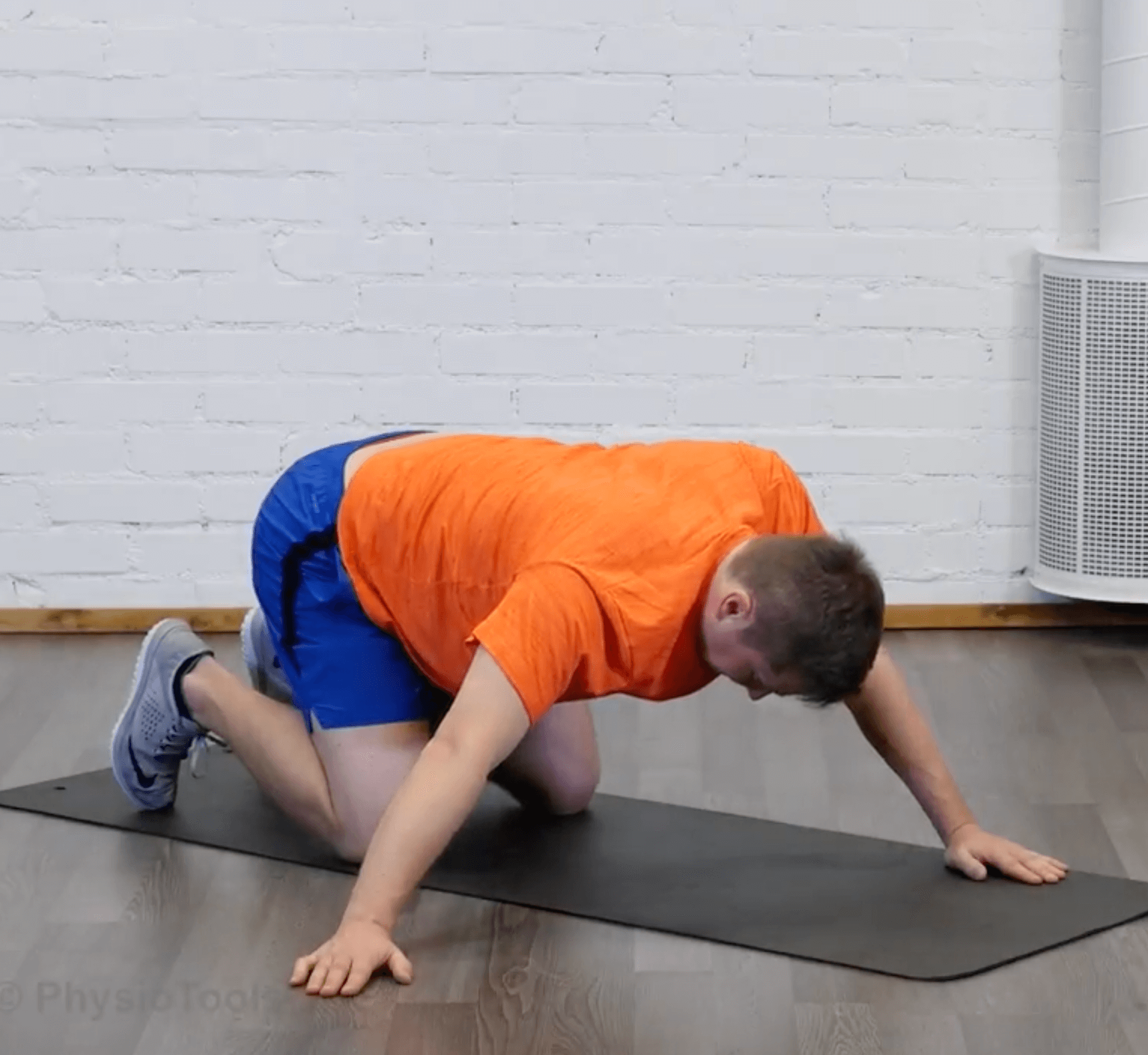
2. How to perform the kneeling chest stretch? Follow these instructions:


%20(1).avif)
3. About the kneeling chest stretch
- It is a stretching exercise aimed at increasing flexibility and mobility in the chest muscles
- Begin in a kneeling position with arms extended outward
- Draw the upper chest down towards the ground, and exhale deeply
- To increase the intensity, press the hands gently against the ground and hold the stretch for 15-30 seconds
- Relax the body, inhale, and revert to the starting position. Repeat the exercise for desired number of reps.
4. List benefits of kneeling chest stretch
Here are some potential benefits of performing this exercise:
- Increases mobility in the upper back and chest
- Stretches and strengthens the pectoralis major muscles
- Helps ease tightness in the front of the shoulder
- Improves posture
- Helps improve overall flexibility and range of motion in the shoulder and chest.
5. FAQ on kneeling chest stretch


The kneeling chest stretch targets the muscles of the chest, shoulders, and arms, including the pectoralis major, pectoralis minor, deltoids, and triceps.
The correct form for the kneeling chest stretch is to begin by kneeling on the ground with your feet together and your hands behind your head. Then, arch your back and lean your chest forward until you feel a stretch in your chest. Hold this position for 30 seconds and then release.
The kneeling chest stretch should be performed 2-3 times per day. It is best to perform the stretch after a warm-up or after a workout.
It is recommended to hold the kneeling chest stretch for 30-60 seconds.
If you experience pain while doing the kneeling chest stretch, you should stop immediately and consult a medical professional. Pain can be a sign of an underlying injury or condition, and it is important to get it checked out to ensure that you are not doing further damage.

