

Step-by step guide to the heel raises exercise
Maximize effectiveness: Tips for patients and practitioners
Step-by step guide to the heel raises exercise
Maximize effectiveness: Tips for patients and practitioners

1. Step-by-step video on how to do the heel raises

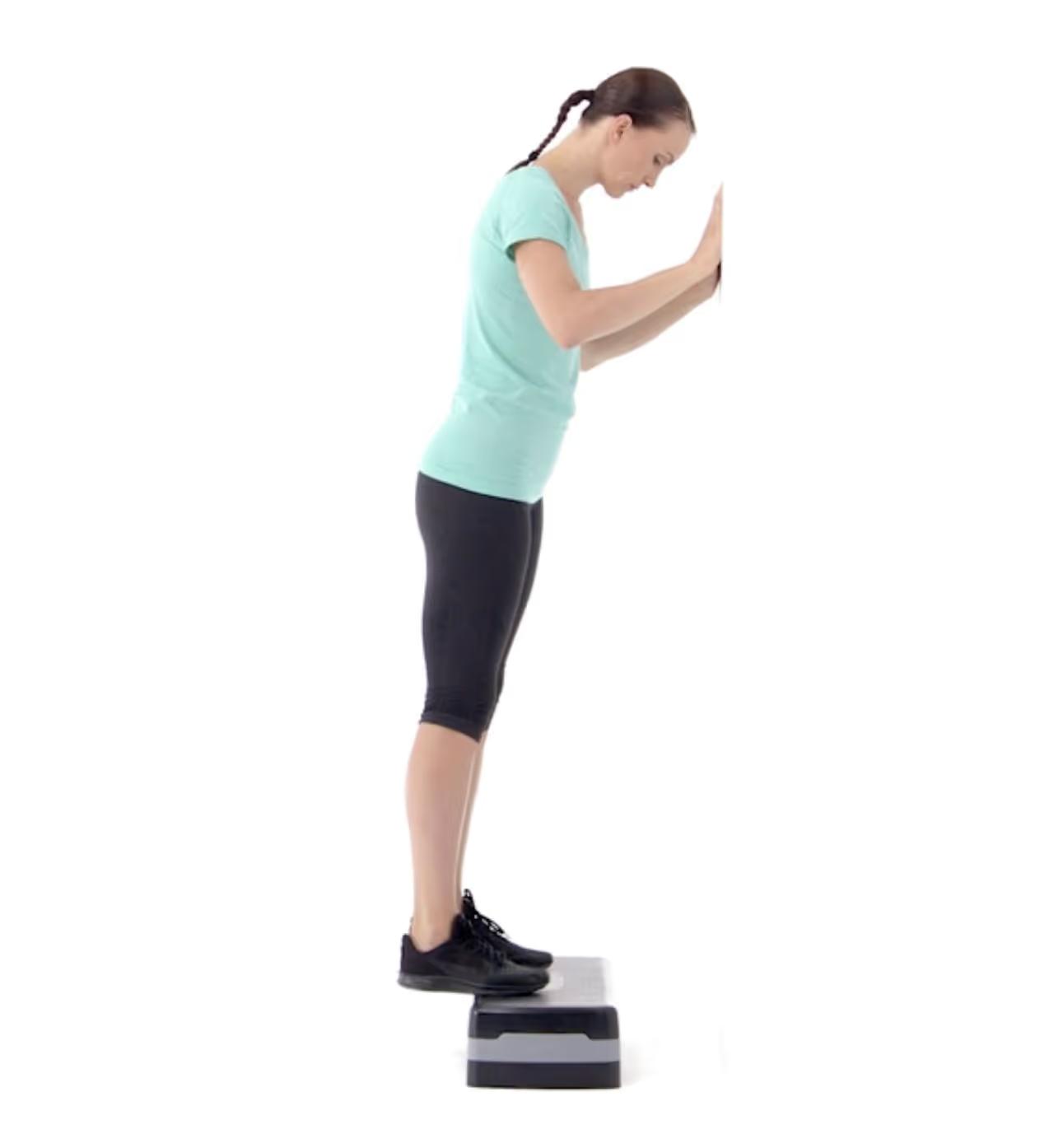
2. How to perform the heel raises? Follow these instructions:


%20(1).avif)
3. About the heel raises
- Target the heel and calf muscles
- Build strength and stability
- Keep feet and knees together
- Raise and lower one heel at a time
- Repeat until desired number of reps is completed
4. List benefits of heel raises
Here are some potential benefits of performing this exercise:
- Improved balance
- Improved posture
- Enhanced performance in other exercises and activities
- Increased calf and foot strength
- Reduced risk of injury to the lower body joint and tendon
5. FAQ on heel raises


Heel raises target the calf muscles, specifically the gastrocnemius and soleus muscles.
Heel raises should be done 2-3 times per week for best results. Start with 1 set of 10-15 repetitions and gradually increase the number of sets and repetitions as your strength and balance improve.
The proper form for heel raises is to stand with your feet shoulder-width apart and your toes pointing forward. Place your hands on your hips or at your sides. Slowly raise your heels off the ground, keeping your legs straight. Hold the position for a few seconds, then slowly lower your heels back to the ground.
Heel raises are a great way to strengthen the muscles in the lower legs, including the calves, hamstrings, and glutes. They can also help improve balance and stability, reduce the risk of injury, and improve posture. Additionally, heel raises can help to improve overall athletic performance, as they help to increase power and explosiveness in the lower body.
The variations of heel raises include: 1. Single Leg Heel Raise: Standing on one foot with the other leg slightly bent, raise your heel off the ground as high as you can. 2. Seated Heel Raise: Sitting on a chair with your feet flat on the floor, raise your heels off the ground as high as you can. 3. Calf Raise: Standing with your feet shoulder-width apart, raise your heels off the ground and hold for a few seconds. 4. Step-Up Heel Raise: Standing on one foot, step up onto a step or box and raise your heel off the ground as high as you can. 5. Single-Leg Squat Heel Raise: Standing on one foot, lower into a single-leg squat and raise your heel off the ground as high as you can.

